Languages
Saturday, October 10, 2026



News and Views from the Global South
Arts and Entertainment

LITERATURE/WOMEN: “When a Woman Wins, It is Still a Story”
The Nobel Prize in Literature has been awarded 102 times to 106 Nobel laureates between 1901 and 2009. Only 10 of those winners were women. Meanwhile, the Man Booker Prize has been awarded to 15 women in 40 years.THAILAND: ‘Media’s Election Coverage: Numbers High, Quality Low’
Elections are always a period of intense coverage by the Thai media. The sheer surfeit of stories on candidates of every political stripe and selected issues is guaranteed to raise media visibility a notch or two higher.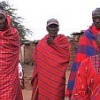
FILM: Challenging 500 Years of Globalisation
To end poverty, you have to know how it began - with globalisation. No, not the 20th century variety engendered by multinationals and their friends at the IMF, World Bank and WTO. They just codified practices that kept developing countries poor.ARGENTINA: ‘Grandma, Will You Read to Me?’
"Moving," "rewarding," "therapeutic" are some of the terms used to describe their volunteer work by some of the women taking part in the Storytelling Grandmothers Programme aimed at awakening a love of reading among youngsters from poor families in Argentina.CHILE: Women in Arms
The official version of Chilean history renders women’s political participation "invisible" and relegates them to a secondary or anecdotal role, says journalist Cherie Zalaquett, author of a new book, "Chilenas en armas" (Chilean Women in Arms).
ECUADOR: Oil Giant Is Gone, Legal and Environmental Mess Remains
The story began almost 40 years ago, but when filmmaker Joe Berlinger "saw villagers eating canned tuna fish because the fish in their rivers were too contaminated to eat, [he] knew [he] had to do something".CHILE: Fashion Finds Green Style
Young Chilean designers are turning their creative energy to recycling, natural fibres and working with disadvantaged groups as they produce clothing and accessories - but it is an effort that is not free of tensions.PORTUGAL: Bible Is “A Catalogue of Cruelties,” Says Saramago
After a nearly two-decade truce, Portuguese Nobel literature laureate José Saramago has returned to the charge against the Catholic Church. This time his target is the Bible itself, which he describes as "a manual of bad morals," and a "catalogue of cruelties and of the worst of human nature."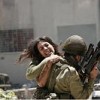
FILM: The Man Is Steel, the Tank Is Only Iron
"War is not made by heroes or Hollywood studs," says director Samuel Maoz. "War is mostly made by young and inexperienced guys. Children that are sent to go after and kill the ones they used to play with. That's what this really is about."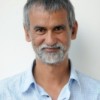
Q&A: Africans Won’t Just Be on Receiving End of Arts and Culture
Global initiatives have in recent years stressed the contribution that arts and culture can make to development. This has led African and European artists, bureaucrats and policy makers to increasingly confront the unequal relations in North-South cultural and artistic exchanges.EL SALVADOR: An Indigenous Language That Refuses to Die
"Yek shiajfikan" reads a sign hanging above the gate of the "Dr. Mario Calvo Marroquín" elementary school in the Salvadoran town of Izalco, welcoming pupils in Nawat, the language that was spoken by the area’s native communities.
Q&A: The Desire To Be An Outsider
"The old man died beneath the wheels of the twentieth century. There was nothing left but stains, bloodstains and fragments of flesh... And the same thing is happening to my generation." - Dambudzo Marechera, House of HungerARGENTINA: Opposition, Media Giants to Fight New Law
While civil society groups celebrated Argentina's new broadcasting law, media giants threatened to fight it with a wave of lawsuits, and opposition lawmakers pledged to revise it after the next Congress convenes in December.ARGENTINA: Through the Lens of Young Slum Dwellers
Two dozen young slum dwellers in Buenos Aires began filming a documentary about themselves this month, in an attempt to break down the negative stereotypes with which they are portrayed in the media.MEDIA: South-South Radio from Caracas to Africa
Poverty, attacks on human rights and corporate fraud will be among the main news coverage focuses of a new regional public radio network, Radio del Sur, which will link stations from South America and Africa.CUBA: Restoring Historic Santiago for Its People
Even with her house practically in ruins, Isabel García wouldn’t dream of living anywhere else. She’d rather stay where she knows that no matter what corner she turns she’ll always be able to gaze out into the blue sea or raise her eyes up to the green mountains that shelter her beloved city of Santiago, in eastern Cuba.
CUBA: There Are No Tough Guys; It’s Tough To Be a Guy
It has been three years since he separated from his second wife and realised he did not have a home to return to. Although he has always been able to count on a helping hand from one friend or another, and his children help him out now and then, Humberto Martínez spends most nights sleeping on a park bench in the Cuban capital.
ENVIRONMENT: Turning Junk Mail Into Art
Like everyone else, Barbara Hashimoto hated the junk mail coming in through the door. Until she decided one day that it could be transformed into art, and lessons about the environment.
MEXICO: Underwater Museum to Protect Coral Reefs
Four sculptures in human forms, made of concrete, will be submerged in November in the Mexican Caribbean - the first of 400 figures that will comprise the world's largest underwater museum.BRAZIL: Olympics in Rio – ‘Happiness’ Trumps Wealth and Technology
Brazil has "the happiest and most creative" people in the world, and deserved this opportunity, Brazilian President Luiz Inacio Lula da Silva said in Copenhagen, celebrating Friday's election of Rio de Janeiro as the host of the 2016 Olympic Games.MEXICO: Black Minority Invisible in Bicentennial Plans
Mexico has big plans for celebrating its 200th anniversary of independence from Spain next year. But Mexicans of African descent are as invisible in those plans as they are in everyday life.« Previous Page — Next Page »





The Week with IPS

NEXT STOP - SDGs
Tracking global progress towards a sustainable world
Tracking global progress towards a sustainable world
