Languages
Monday, October 19, 2026



News and Views from the Global South
Commodities
EGYPT: Salary Hike Kills Strike
Calls for a nationwide protest against the rising cost of living ended in anticlimax on Sunday (May 4), with most Egyptians going to work as usual. Although protest leaders had urged the public to register its disaffection en masse by staying home, the streets of the capital were busy.LATIN AMERICA: 60 Years On, ECLAC Still Has Key Role to Play
Among the tasks facing the Economic Commission for Latin America and the Caribbean (ECLAC), which is celebrating its 60th anniversary this year, is to contribute to the design of a development strategy to make the best use of the region’s current bonanza.EUROPE: Warnings Against Biofuels Get Louder
European efforts to promote biofuels should be rethought because of the contribution they have made to rising food prices, according to Jeffrey Sachs, a top economic advisor to the United Nations.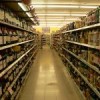
MEXICO: No Place for Small Farmers at the Supermarkets
A Mexican coffee grower receives about three dollars per kilogram of unprocessed coffee beans, and the consumer here pays 11 dollars. That price difference, in large part, is the result of the growing power of a handful of supermarkets.
EGYPT: New Strike to Greet Mubarak
Hundreds remain in detention following a nationwide protest Apr. 6 against rising food prices and political stagnation. But this has not deterred activists from calling for a second general strike on May 4, timed to coincide with President Hosni Mubarak's birthday.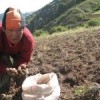
PERU: Preserving the Potato in Its Birthplace
Thousands of varieties of potato (Solanum tuberosum), one of the most widely-eaten and well-known foods in the world, have been developed in the heart of South America’s Andes mountains, where the crop was domesticated more than 8,000 years ago.MEXICO: New Recipe Against Poverty
The government of conservative President Felipe Calderón presented a new anti-poverty strategy in Mexico Monday, which will initially focus on delivering food aid to the poor.
EGYPT: The Global Makes the Local Worse
The appearance of long breadlines outside state-run distribution centres in recent weeks has raised fears of possible bread shortages. Although the government has taken measures aimed at easing the crisis, experts point to soaring international wheat prices that have made the commodity more costly for households worldwide.ECONOMY-ARGENTINA: Mr. Kirchner, the eminence Not-So-Grise
Above and beyond its impact on the markets or the economy itself, the change of economy minister in Argentina has clearly demonstrated the enormous power that former President Néstor Kirchner exerts within the government of his wife and successor, President Cristina Fernández, analysts say.AGRICULTURE: What Is Really Causing ‘Agflation’?
The old laws of the marketplace are no longer working. Food prices have been rising for six years because of surging demand, and increased production is not restoring the balance as it used to in the past. In fact, prices have been going up even faster over the last year.
ASIA: 'Neglect of Farming Led to Rice Crisis'
The headlines screaming about a global food shortage have not aroused surprise in a leading non-governmental organisation (NGO) working with farming communities across Asia. To its members, warnings of hunger on a biblical scale are hardly news.EUROPE: Subsidies Feeding Food Scarcity
European subsidies for agriculture are contributing to rapidly rising food prices and the destruction of small-scale farming in the South, experts say.LATIN AMERICA: Can Rising Food Prices Help Small Family Farms?
Rising global food prices could represent an opportunity for the development of small-scale family farming if national governments provide effective support as part of long-term policies, say experts from various agencies.BOLIVIA: ALBA Closes Ranks Around Morales
A Bolivarian Alternative for the Americas (ALBA) summit warned Wednesday of the danger of Bolivia "exploding" as a result of the "separatist plan behind the (May 4) autonomy referendum" in the eastern province of Santa Cruz.
ENVIRONMENT-PERU: US-Owned Smelter Fined for Pollution
The U.S. company running a large multi-metal smelter in the Peruvian city of La Oroya, one of the most polluted places on earth, is facing sanctions for violating air quality standards.ECONOMY-LATIN AMERICA: From Optimism to Concern
The Economic Commission for Latin America and the Caribbean (ECLAC) called on countries in the region Tuesday to take urgent measures to deal with the rising cost of food, which threatens to tip an additional 15 million people into extreme poverty.
AGRICULTURE: Brazil Shares Technology with Africa
The people of Brazil have reason to believe that they are making a real contribution to reducing hunger and environmental threats in the world by developing agricultural technology that has begun to be shared with poorer countries.EGYPT: Opposition Finds Renewed Strength
What was planned as a workers' strike at a major textiles company turned into a nationwide protest against skyrocketing food prices Apr 6. Over the days following, the opposition has found renewed strength.ENVIRONMENT: But What Is Good About Biofuels?
The German government decision two weeks back against increased use of biofuels was based on technical reasons - more than three millions vehicles cannot burn biofuels without risking engine breakdown.LATIN AMERICA: Food or Fuel – That Is the Burning Question
The difficult balancing act between fighting hunger, producing biofuels and defending the environment is at the centre of the debate at the 30th Regional Conference of the United Nations Food and Agriculture Organisation (FAO) in the Brazilian capital.PERU: Mine Opponents Face Lawsuit Based on Press Clippings
Local activists and politicians in the northern Peruvian region of Piura who are facing charges of terrorism and extortion because of their activism to oppose mining investment projects supported by the government say the only evidence against them are photocopies of newspaper articles.« Previous Page — Next Page »





The Week with IPS

NEXT STOP - SDGs
Tracking global progress towards a sustainable world
Tracking global progress towards a sustainable world
