Languages
Thursday, October 8, 2026



News and Views from the Global South
COVID-19

Q&A: COVID-19 Means we Must Innovate Data Collection, Especially on Gender
The current coronavirus pandemic can offer insight into how to shake-up traditional methods of data collection, and might provide an opportunity to do it in more innovative ways, in turn enhancing progress towards gender equality.
Has COVID-19 Reversed Progress for India’s Small Tea Growers?
As the sun sets over the hills, Prafulla Debbarma, a small tea grower in Dhanbilash village in north eastern India, walks along the labyrinth path of his farm and past a thick blanket of well-grown tea plants. In the fading light, the farmer appears deeply worried. This tea farm, the sole source of his livelihood, remains unharvested thanks to the ongoing COVID-19 crisis.
Governments Cautioned Not to Use COVID-19 Lockdown to Cause Harm
 The United Nations High Commissioner for Human Rights is calling on governments and leaders around the world to ensure that their respective lockdown measurements don’t end up causing harm to people by those enforcing the lockdowns.
COVID-19: India’s Harvests also Locked Down
Heartbreaking images of Indian farmers standing amidst swathes of rotting vegetables, fruits and grain have been flooding newspapers and TV screens lately. Crashing prices and transport bottlenecks due to the 40-day coronavirus lockdown in India, on till May 3, have driven some to set their unsold produce ablaze.
Children under Lockdown get a ‘Learning Passport’
Soon schools in Timor-Leste, Ukraine, and Kosovo, where some 6.5 million children are currently at home, will hopefully start teaching their children once again -- albeit online.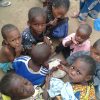
Q&A: Continued Social Distancing and Hundreds of Millions More in Poverty – A New Normal for the World?
With much of the global economy stalled amid an unprecedented lockdown of nations grappling to contain the COVID-19 pandemic, the author of a new United Nations report on the disease’s impact on poverty told IPS that hundreds of millions more could be pushed into poverty and we can expect to see social unrest.
Global Leaders Must Prioritise Children’s Wellbeing amid Coronavirus Pandemic – UN
United Nations Secretary General António Guterres on Thursday pleaded with global leaders and families to ensure the protection of the world's children, millions of whom he says are vulnerable to a myriad of threats as a result of the shutdown arising from the global coronavirus pandemic.
No Space for Social Distancing in Rohingya Refugee Camps
Nine-year-old Mohammad Rafique used to collect vegetables from Kutupalong Bazaar and sell them at a market inside Kutupalong camp, a camp of some 600,000 Rohingyas, in Bangladesh’s Cox’s Bazar.

India’s Liberal Abortion Law, Nullified by Social Stigma
Arti Zodpe is from the Tamasha (folk dance-drama) theatre in Sangli, in India’s Maharashtra state. After evening performances, some of the singers and dancers offer sex work services to the audience.
Q&A: How to #BeActive during COVID-19 Lockdown
Growing up in Ramallah in Palestine, Maher Nasser, Director of Outreach Division at the United Nations Department of Global Communications, never really liked running. "I only ran when I needed to: to catch a bus or to run from soldiers," he tells IPS. But now with three marathons under his belt -- which raised thousands for scholarships for Palestinian women’s education -- Nasser is still running, albeit on his balcony.
**Correction**How the COVID-19 Pandemic is Affecting Women’s Sexual and Reproductive Health
A little over half of women across the globe are able to freely make choices about their sexual and reproductive health, according to a latest report based on data from 57 countries. However, as much of the world has gone into lockdown because of the coronavirus pandemic, with countries implementing social distancing and restricting the free movement of people, experts are concerned that even this small gain in sexual and reproductive health may suffer negatively.
Latin America Has Weak Defences Against the Pandemic
Health systems in Latin America, already falling short in their capacity to serve the population, especially the poor, are in a weak position and face serious risks when it comes to addressing the COVID-19 pandemic.
U.N. Releases Report on Socio-economic Effects of Coronavirus
As the number of coronavirus cases continues to grow, concerns are simultaneously growing about the current and long-term effects this will have on certain demographics -- specifically, women, the youth, migrant workers, and many employees around the world.
What does U.N. Secretary General’s Call for Ceasefire Mean for Countries in Conflict?
Conflict experts are concerned the the global ceasefire called for by the United Nations amid the coronavirus outbreak may not work and could lead to a rise in violence.
Harassment of Journalists Jeopardises Keeping Public Safe amid Coronavirus Pandemic
Growing intimidation and repression of journalists reporting on the coronavirus is threatening public health in some countries, press freedom monitors have warned.
Why Rich Countries must Protect Developing Nations from Coronavirus Pandemic
Governments in wealthy, first world countries must not ignore the plight of poorer nations battling the coronavirus or the disease will not be brought under control, global development experts have said.« Previous Page





The Week with IPS

NEXT STOP - SDGs
Tracking global progress towards a sustainable world
Tracking global progress towards a sustainable world
