Languages
Monday, October 26, 2026



News and Views from the Global South
Elimination of Violence against Women (EVAW)

UNiTE: Violence Against Women—A Plight That Spares No Country Across All Continents
Despite the 1,583 legislative measures in 193 countries around the world, violence against women has not been eradicated or even abated.
60 Percent of Femicides Are at the Hands of a Partner or Family
Every 10 minutes, one woman or girl is killed at the hands of their partner or other family member. This is only scratching the surface on how femicide, one of the most extreme forms of violence against women, persists at high levels around the world. UN-Women and the UN Office of Drugs and Crime (UNODC) released a joint report, Femicides in 2023: Global Estimates of Intimate Partner/Family Member Femicides, on November 25, the International Day for the Elimination of Violence against Women.
Ensuring Violence-Free Homes for Sri Lankan Women
A woman’s right to live free from violence is upheld by international agreements like the 1979 Convention on the Elimination of All Forms of Discrimination against Women and the 1993 UN Declaration on the Elimination of Violence against Women.
It’s About our Entire Planet: The Pandemic of Violence Against Women
The 16 Days of Activism to end gender-based violence, started with seeking to eliminate violence against women (VAW). This year’s theme highlights the reality that violence against women and girls is of pandemic proportions. The figures are galling.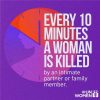
Climate Change in Azerbaijan is Putting Women at Increased Risk of Gender-Based Violence
Climate change exacerbates existing gender inequalities and gender-based violence. At COP29 in Azerbaijan, governments have been urged to prioritize gender-responsive climate policies that address the specific needs of women and girls, and serious concerns have been raised about backtracking on women’s rights during these crucial negotiations on climate action.
Stand Up, Speak Out: A Global Call to Men on the 25th Anniversary of International Day for the Elimination of Violence Against Women
In 1960, the Rafael Trujillo regime in the Dominican Republic assassinated the Mirabal sisters— renowned and respected for their courage and activism against dictatorship. To give their senseless violent death some meaning and to preserve their legacy, in 1999, the United Nations inaugurated November 25—the day of their assassination—as the International Day for the Elimination of Violence Against Women (EVAW).
Pakistan Gets Its First One-Stop Shop for Women Fighting Violence
Sliced noses, broken ribs, fractured fingers, slashed arms, bruised and bloodied faces with teeth missing and eyes swollen... Sana Jawed, 30, has been witnessing these brutalities for over a decade.Threats to Afghan Women Rights Defenders Being Met with Blind Eye
Women human rights defenders in Afghanistan face mounting violence but are being abandoned by their own government – and the international community is doing far too little to ease their plight – despite the significant gains they have fought to achieve, says Amnesty International in a new report released Apr. 7.
Report Cries out on Behalf of Iraqi Women
Iraqi women continue to be subject to physical, emotional and sexual violence, according to a new report by Minority Rights Group International and Ceasefire Centre for Civilian Rights.
Survivors of Sexual Violence Face Increased Risks
“A recurring nightmare for me is I’m trying to tell someone something and they are not listening. I’m yelling at the top of my lungs and it feels like there is a glass wall between us.”





The Week with IPS

NEXT STOP - SDGs
Tracking global progress towards a sustainable world
Tracking global progress towards a sustainable world
