Languages
Saturday, October 3, 2026



News and Views from the Global South
HIV/AIDS
HEALTH-ASIA: Region Primed for an AIDS Disaster, Experts Warn
Asia is poised on the brink of an HIV/AIDS explosion unless governments take radical steps to rein in the disease, as well as the social and economic problems fuelling its spread, a prominent AIDS expert said Wednesday in New York.HEALTH: AIDS Vaccine Elusive – Even for Patents
An AIDS vaccine will not be achieved until perhaps 10 years from now, but when that does happen, it will likely be made widely available around the world, without facing hurdles from the question of patent rights, according to WHO officials.HEALTH-KENYA: Tight Deadline for a Noble Initiative
Just 338 days. That is the amount of time that remained, Thursday, to meet the World Health Organisation’s goal of getting millions of HIV-positive people in developing countries on anti-retroviral treatment by the end of the year.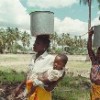
HEALTH-MOZAMBIQUE: Volunteers Worth Their Weight in Gold
The tall man is skeletal. Even so, it is a huge feat for him to muster up the energy to sit upright in front of his visitor – a young, vibrant woman.POLITICS: U.N. Paints Grim Picture of Spreading Crises in Africa
A senior U.N. official warned Thursday that the ongoing conflicts in Africa would continue to have a "devastating impact" on civilians this year - "as it has been for many months, and in some cases, for many years".POLITICS: Six Million Dying of AIDS Amid Tsunami Largesse
Within three weeks after the tsunami disaster ravaged south and south-east Asia, the international donor community responded magnanimously by pledging an unprecedented 5.5 billion to 6 billion dollars for emergency relief and reconstruction.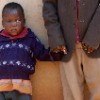
EDUCATION-SWAZILAND: AIDS Orphans on (Somewhat) Firmer Ground
In May last year, IPS reported that teachers in Swaziland were at loggerheads with government over the delicate matter of admitting AIDS orphans to schools free of charge. With the new academic year looming, has the situation improved?RIGHTS-BENIN: 2005 the Year of ‘No More Excisions’
For International Action Against Female Genital Mutilation, a German group active in Benin and other African countries, 2005 will be a year in which past successes in the fight against mutilation are celebrated – and efforts to eradicate it continue with renewed vigour.CHALLENGES 2004-2005: ‘Pharma Crops’ Threaten Food Safety
Medicine and farming are merging as genetically engineered (GE) maize and soy crops promise cheap drugs, but they also threaten to contaminate food and the environment, warn activists and experts.
CHALLENGES 2004-2005: For Zambia’s Street Kids, the Outlook is Bleak
The festive season is traditionally a time of giving in Zambia, where the streets of the capital – Lusaka – are awash with people caught up in the buying frenzy that characterizes the end of the year. Accordingly, the city’s street children are tracking the mood of consumers as carefully as any economist.CHALLENGES 2004-2005: Drugs Make a Good Christmas Gift
On Christmas Day in South Africa, who will get the most precious present of all – the gift of life?DEVELOPMENT: South-South Cooperation Soars
Cooperation between nations of the South will eventually trigger growth and development in some of the world's poorest countries, according to the United Nations, which marked the first U.N. Day for South-South Cooperation' on Monday.
POLITICS-MOZAMBIQUE: Electoral Victory at Hand for Frelimo – But Apathy Rules
It would come as no surprise to find that Mozambique’s ruling Frelimo party has put champagne bottles on ice. Preliminary results from general elections held earlier this month (Dec. 1 and 2) show that its presidential candidate, Armando Guebuza, has taken a comfortable lead in the poll.HEALTH-BURKINA FASO: More ARVs, Please
The good news about AIDS in Burkina Faso is that HIV prevalence in the West African country is on the decline. The bad news is that people who have already contracted the virus appear to be having difficulties in getting drugs to treat themselves.HUMAN RIGHTS DAY: What About Teens’ Rights?
When officials from the public prosecutor's office in Brazil's Rio de Janeiro state conducted a surprise inspection of a juvenile detention centre they found 13 youths locked in a cramped and windowless cell.HEALTH-ZIMBABWE: Risky Sex and the Law – Incompatible Bedfellows?
For teenagers in the eastern Zimbabwean town of Mutare, a popular disc jockey who goes by the name of Kaiboni has long epitomized the glamorous life. But now, his future is anything but enviable.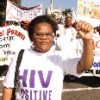
HEALTH-SOUTHERN AFRICA: AIDS Initiative Focuses on Women
"HIV is just a virus...If we change our attitudes, HIV will die. It will have no space and capacity to spread," says Musa Njoko, a young South African woman who has been living with the virus for the past decade.WORLD AIDS DAY: Bank, IMF Blamed for Health Spending Cuts
Watchdog development groups accused the World Bank and the International Monetary Fund (IMF) Wednesday of doing too little to help the global battle against HIV/AIDS, but the two institutions responded that they are at the forefront of the struggle.HEALTH: Vioxx Scandal Raises Global Doubts on U.S. Drug Safety
The scandal over a painkiller implicated in thousands of heart attacks is gaining international scope, as lawsuits against the drug's maker spread to other countries and the credibility of the industry and its Washington regulators nears an all-time low.WORLD AIDS DAY-VENEZUELA: Side Effects of Generic Drug Controversy
AIDS activists in Venezuela are keeping a close eye on the controversy that has emerged between the World Health Organisation (WHO) and the Indian pharmaceutical companies that produce the generic drugs used to treat roughly 12,000 Venezuelan AIDS patients.WORLD AIDS DAY: African Women’s Rights Protocol a Weapon Against HIV
"When you look at the larger picture of HIV/AIDS, the leadership is mainly men. We need to train and have more women leaders," says Prudence Mabele, an AIDS campaigner in South Africa.« Previous Page — Next Page »


The Week with IPS

NEXT STOP - SDGs
Tracking global progress towards a sustainable world
Tracking global progress towards a sustainable world
