Languages
Sunday, October 4, 2026



News and Views from the Global South
HIV/AIDS
WORLD AIDS DAY: In Swaziland, HIV Hides in Plain Sight
Read the obituaries in Swaziland, and you will discover that many people here die from unspecified "lingering illnesses".WORLD AIDS DAY: If Unchecked Asia Could Be Another Africa – U.N. Envoy
She had no qualms whatsoever of putting the harsh realities on the table - especially on World AIDS Day. And for anyone listening to Nafis Sadik, a medical doctor who is also the U.N. special envoy for HIV/AIDS in Asia and the Pacific, the prognosis is alarming when she warns that Asia-Pacific societies could collapse like some in Africa as a result of the pandemic.WORLD AIDS DAY-BRAZIL: New Offensive Against Drug Patents
The Brazilian government announced Tuesday that it would break the patents on several medications to prevent the financial collapse of its widely praised public health programme that provides antiretroviral drugs free of charge to people living with HIV/AIDS./ARTS WEEKLY/MUSIC: Jamaican Business Joins Chorus Against Anti-Gay Songs
Jamaica is preparing itself for what many people believe could be economic fallout from the decade-long battle between gay rights groups and the local entertainment industry.WORLD AIDS DAY: Innovative Initiatives in Spain
Madrid Positivo, a Spanish non-governmental organisation that helps homeless people and others living with HIV/AIDS kick their drug habit, while curbing the spread of AIDS, awarded its annual prizes Monday for outstanding efforts in the fight against the disease.
HEALTH-SOUTHERN AFRICA: HIV/AIDS May be Undermining Democracy
The figures speak volumes. Between 1999 and 2003 almost 1.5 million of about 20 million registered voters in South Africa were removed from the voters’ roll because they had died – most, it appears, from AIDS-related diseases.HEALTH-KENYA: Women Prime Targets for HIV
Kenyan health officials have expressed concern about the fact that women in the East African country are more vulnerable to AIDS than men, and that the gap between men and women as regards new HIV infections appears to be widening.WORLD AIDS DAY: Profits Delay Cheap Canadian Drugs
The highly touted Canadian plan to export cheap medicines to poor developing countries fighting HIV/AIDS and other health emergencies, hailed by Prime Minister Paul Martin in his June re-election campaign as a bold achievement, is in trouble over profits for participating drug makers.HEALTH: Girl Power Needed to Fight AIDS
The poor urgently need a female-centred strategy to fight AIDS, says a landmark new report.POLITICS-NAMIBIA: Tough Challenges Await the New Government
As preliminary results for Namibia's general elections started trickling in Thursday, Hifikepunye Pohamba of the ruling South West Africa People's Organisation appeared to have taken an early lead in the presidential poll.
POLITICS-NAMIBIA: A Milestone Election Gets Underway
A two-day general election got underway in Namibia Monday. The poll marks the end of an era in the Southern African country, as it will see President Sam Nujoma step down after 14 years as head of state. Nujoma has governed Namibia since its independence in 1990.
HEALTH-SOUTHERN AFRICA: HIV/AIDS Burden on Women Grows
‘’We cannot have women carrying hospital beds on their heads,’’ says Quinton Mageza of global charity ActionAid International, referring to the growing army of women and girls playing the role of nurse at home for relatives living with HIV/AIDS.HEALTH-SOUTHERN AFRICA: Teenagers Notice More AIDS, More Condoms …
The progress of the nasty little virus known as HIV can be monitored on its devastating journeys through bodies and communities. People’s factual knowledge about the disease can be tracked. But getting more information in people’s head does not automatically change their behaviour in bed.EDUCATION-KENYA: Free Schooling – Good, but not Enough
By any measure, the enrolment of over a million extra children in Kenya’s primary school system over the past two years is a success story. Enrolment figures in the East African country burgeoned after President Mwai Kibaki introduced free primary education in 2003, when he took over as head of state from Daniel arap Moi.EDUCATION-ZIMBABWE: The Schools Soldier On
Wooden panels in the main hall still list the fading names of outstanding students who attended Milton Junior School in the southern Zimbabwean city of Bulawayo, during the last century.HEALTH-EU: Cheaper Medicines for AIDS Welcomed
A leading development group has welcomed EU proposals to allow export of cheap medicines to poor countries fighting HIV/AIDS and other killer diseases.HEALTH-NEPAL: No Sniggers on Condom Day
There were no sniggers at the National Condom Day rally in this Himalayan capital - not even when someone suggested that the 172 year-old Bhimsen tower stretching 50 meters into the clear blue mountain skies was ideal for a giant condom display.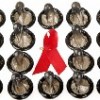
HEALTH-MOZAMBIQUE: The Condom and Culture Clash
Earlier this year, a chilling statistic cropped up repeatedly at a conference on reproductive rights that was held in London.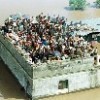
DEVELOPMENT-AFRICA: In Praise of Grace Under Pressure
Images of floods, drought, famine, refugees and malnourished children in Africa have long made the continent appear relentlessly disaster-prone. But, says Francoise Le Goff, these pictures only tell part of the story.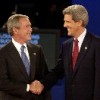
U.S. ELECTION: Africa Barely on the Candidates’ Radars
With U.S. voters anxiously contemplating the body count arising from the United States' deployment in Iraq - as well as the associated threat of terrorism - it was probably to be expected that Africa would get little "face time" in the presidential election.RIGHTS-THAILAND: Deaths in Custody Could Inflame Muslim South
A clash at the start of this week between hundreds of Muslim protesters and heavily armed Thai troops in the country's south - which left over 80 dead - has delivered a blow to Bangkok's view that it has the local communities on its side.« Previous Page — Next Page »


The Week with IPS

NEXT STOP - SDGs
Tracking global progress towards a sustainable world
Tracking global progress towards a sustainable world
