Languages
Monday, November 9, 2026



News and Views from the Global South
IPS UN Bureau

COP27: Climate Change’s Dire Consequences in the World’s Most Water-Scarce Region
The Middle East and North Africa are the world’s most water-scarce regions – with 11 of the 17 water-stressed countries on the globe. According to UNICEF, nine out of 10 children live in areas with high or very high-water stress, resulting in significant consequences for their health, cognitive development, and future livelihoods.
The Innovation Imperative for Small States
Small states take the path less travelled. They face challenges unfamiliar to many: scarce resources, smaller economies and the real impact of climate change.
The United Kingdom’s, USA’s and Russia’s Great Game: A History Lesson about War and Greed
Like most armed conflicts the Ukrainian war intends to establish hegemony over a certain area, in rivalry with other usurpers. Russian propaganda pinpoints the US and EU as Russia’s main adversaries, while Ukraine is portrayed as a pawn in these nations’ international yearnings. Such a scenario is not new.
COP27: Climate Change Exacerbates Vicious Loop of Human Rights Inequity
Climate change is worsening injustice globally, and the poor and vulnerable communities are the most affected. It is time the world acted on fulfilling human rights and building a liveable planet, says Yamide Dagnet, director for Climate Justice at Open Society Foundations.
Launch of EBRD Climate Adaptation Action Plan at COP27
As it moves to increase its climate adaptation finance, the European Bank for Reconstruction and Development (EBRD) has launched the EBRD Climate Adaptation Action Plan (CAAP) at COP27, the global climate summit taking place in Sharm el-Sheikh, Egypt.
As the World’s Population Hits 8 Billion People, UN Calls for Solidarity in Advancing Sustainable Development for All
The global population is projected to reach 8 billion on 15 November 2022, signalling major improvements in public health that have lowered the risk of dying and increased life expectancy. But the moment is also a clarion call for humanity to look beyond the numbers and meet its shared responsibility to protect people and the planet, starting with the most vulnerable.
Ending Gender-Based Violence in a World of 8 Billion
Whether to have children or not is one of the most life-altering decisions a person can make. But as UNFPA’s 2022 State of World Population report shows, people around the world – especially women and members of marginalized groups – are frequently denied any choice in the matter, with partners, relatives, health care providers and even governments making or strongly influencing these decisions.
Climate Change is No ‘Future Scenario’ for Pacific Island Nations; Climate Change is ‘Real’
Pacific island countries are highly vulnerable to climate change, and several have disappeared – and more could sink under the sea owing to a rise in water levels.
Three Truths to Address Sexual Exploitation, Abuse & Harassment in the UN
The U.S. Government has recently published 'Engagement Principles' on Protection from Sexual Exploitation Abuse & Sexual Harassment within International Organizations', and while any involvement from Member States is to be encouraged, these principles do not address the fundamental need for either deterrence or for accountability.
COP27 Fiddling as World Warms
The latest annual climate conference has begun in the face of a worsening climate crisis and further retreats by rich nations following the energy crisis induced by NATO sanctions after the Russian invasion of Ukraine. Copping out again The 27th Conference of the Parties (COP 27) to the United Nations Framework Convention on Climate Change (UNFCCC) is now meeting in Sharm-el-Sheikh, Egypt, from 6 to 18 November 2022.
COP27: Cyclone Nearly Washed Away All My Dreams, says Vanuatu Youth Activist
The only thing Taren Chilia remembers about Cyclone Pam was that it flattened his school in Vanuatu, washing away books, equipment, and – well, almost his dreams too.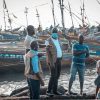
Why COP27 Matters to Sierra Leone
Sierra Leone is among the 10 percent of countries in the world that are most vulnerable to the adverse consequences of climate change, and presently one of the least able to cope with the effects.
COP27: Climate Justice: Where do the Religiously Marginalised Fit in?
Climate change reductionism – assuming the causes and the redress for those suffering the worst impacts of extreme weather lies with climate change alone - undermines the rights of religiously marginalised persons, but broadening whose rights are being advocated for in climate change can offer redress.
Academics’ Strike Puts Spotlight on Nigeria’s Brain Drain
For eight months, the halls of Nigeria's universities and colleges remained silent – the result of a lecturers' strike brought upon by a wage and conditions of service dispute.
A World of 8 Billion: Population Growth Will Continue But it’s Slowing Down
Global population is about to reach 8 billion, a mere 11 years after it reached 7 billion. The official Day of 8 Billion is observed by the UN November 15, though it's hard to pinpoint exactly when we pass the actual milestone.
Making the UN Charter a Reality: Towards a New Approach to Development Cooperation?
We are living in a world where both our bilateral and multilateral achievements, consensuses on human rights and social justice, and our resolve to public good are being tested like never before.
‘Tactical’ Nuclear Weapons Could Unleash Untold Damage, Experts Warn
Since the start of Russia’s invasion of Ukraine, the conflict’s potential to escalate to the use of nuclear weapons has been highlighted by political analysts and military experts alike.
Energy: Why Africa Must Be Part of Nuclear Energy Appetite
The search for energy diversification has taken a more frantic pace amidst the global energy transition debate.
COP27: Religious Multilateralism: An Endangered Species in the Age of Triple Planetary Crises
In this year’s COP 27 two-weeklong summit in Egypt, which concludes November 18, a rough count indicates there will be 40 different sessions organised by, for, and about, religious engagements in/on climate change and related issues. This is likely the highest number of events by and around religious actors, organised at a COP event.
COP27: Bolsonaro’s Defeat is a Triumph for Climate Change Advocates
The electoral defeat of Brazil’s Jair Bolsonaro is a triumph for everyone who is concerned about the peril of climate change. Bolsonaro’s well-deserved defeat could help save the Amazon rainforest, which has been ravaged under his criminal rule, and the process of reversing the looming climate change catastrophe can begin
Younger Generation Needed in Efforts to Change the Leprosy Perceptions, Says Miss World Brazil
Deep-rooted discrimination against persons affected by leprosy or Hansen’s disease has marginalized individuals and communities. As social pariahs, opportunities to pursue their dreams are limited because, at best, they live at the periphery of society and, more often than not, are ostracized.« Previous Page — Next Page »





The Week with IPS

NEXT STOP - SDGs
Tracking global progress towards a sustainable world
Tracking global progress towards a sustainable world
