Languages
Monday, October 12, 2026



News and Views from the Global South
IPS UN Bureau
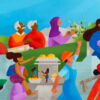
International Women’s Day 2026 The Gender Architecture of Betrayal: Stop Elite Impunity
International Women’s Day 2026 (IWD 2026), which was commemorated March 8, under the theme, "Rights. Justice. Action. For ALL Women and Girls", calls for action to dismantle all barriers to equal justice: discriminatory laws, weak legal protections, and harmful practices and social norms that erode the rights of women and girls. It demands an end to systemic violence and misogyny, including calls for justice for Epstein survivors.
Nigeria’s Failing Road Transport System Leaves Commuters at the Mercy of Robbers
Abimbola David still remembers being robbed twice in taxis in Abuja, Nigeria’s capital. The most recent incident occurred in 2023 when the robbers, who pretended to be passengers, took her belongings while the car was moving.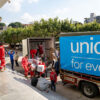
UN: Amid Security Risks in Middle East, Humanitarian Work is Underway
As military fighting breaks out across the Middle East with increasing frequency and intensity, the United Nations promises to ramp up its humanitarian response on the ground.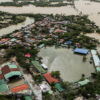
As La Niña Fades, WMO Experts Warn That El Niño Could Set New Global Heat Records
Earlier this week World Meteorological Organization (WMO) announced that the weakening conditions of La Niña conditions are beginning to fade, with climate conditions transitioning toward ENSO-neutral —a phase in which neither El Niño nor La Niña is present and oceanic and atmospheric conditions in the tropical Pacific remain near average. The agency noted that this shift could lead to the development of El Niño later in the year, a pattern typically associated with rising global temperatures and an increased risk of extreme weather events worldwide.
Turning Waste into Hope: A Youth-Led Model for Sustainable Change
From the beginning, this project was a collaboration between student teams in Japan and Korea. Although we live in different countries, we shared one common question: How can young people reduce waste while supporting families facing food insecurities?
From Truancy to Belonging: Why Safe Spaces Matter for Youth Well-Being
I recently came across a statistic that stopped me in my tracks.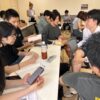
Before We Label Others: Why Listening Is the First Step Toward Peace
Around the world, conflicts often begin not with violence, but with assumptions. When people judge others before understanding them, labels replace dialogue—and division replaces trust. For young people growing up in an increasingly polarized world, learning to listen may be one of the most powerful tools for peace.
Heralding an Era of Religious Wars
In recent months, the language surrounding the escalating confrontation between the United States, Israel, and Iran has taken on a tone that should trouble anyone concerned with global peace.
The Impact of Artificial Intelligence in Nuclear Decision-Making
As artificial intelligence (AI) threatens to dominate every aspect of human lives —including political, economic, social and cultural --there is also the danger of the potential militarization of AI.
Caribbean Civil Society Gathered in Jamaica to Strengthen Resilience Amid Global Shifts
Civil society groups from across the Caribbean met in Jamaica in February 2026 for a landmark regional conference, with development leaders urging stronger governance, digital readiness and deeper partnerships to adapt to a shifting and increasingly complex geopolitical landscape.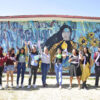
International Women’s Day 2026 No Country in the World has Reached Full Legal Equality for Women and Girls
On 8 March 2026, International Women’s Day, UN Women issues a global alert: justice systems meant to uphold rights and the rule of law are failing women and girls everywhere. Women globally hold just 64 per cent of the legal rights of men, exposing them to discrimination, violence, and exclusion at every stage of their lives.
International Women’s Day, 2026

Women and girls have never been closer to equality. And never closer to losing it.
Sudan: World’s Worst Humanitarian Crisis
The ordinary sounds of Nahid Ali's home in Khartoum were completely drowned out by the sound of war which began on April 15 2023. Her baby was just 21 days old. The morning started as any typical day for a mother who had just given birth to her baby and needed to nurse her newborn while she took care of her other children. The gunfire began to erupt. The fighting began when two groups started to battle each other in the streets. The fighting which began in her area developed into a destructive countrywide war in Sudan which spread to her street within moments.

International Women’s Day 2026: For Girls in Pakistan’s Tribal Belt, Women’s Sports Come at a Cost
“I was very happy to see the way Aina Wazir was playing cricket,” says 28-year-old Noorena Shams, a professional squash player, when she saw the seven-year-old’s video. The clip, which spread rapidly across social media, drew widespread praise for the young girl’s remarkable talent.
The US/Israeli Bombing of Iran: A Case Study in Contempt for International Law
Operation “Epic Fury” manifests an epic tantrum by President Donald Trump, supported by his sycophantic minions, with dire consequences for the people in the region, peace and security worldwide, the global economy, and the post-World War II international legal order.
The Architecture of Hope Under Siege: One Year of Global Aid Dismantling
A year has passed since a 90-day freeze on U.S. foreign assistance signaled the deepening of a structural dismantling of international solidarity. Today, the "existential threat" to the freedom of association I warned of in my report to last year's General Assembly (A/80/219) is no longer a warning; it is a lived reality.
Imagery, Algorithms, and the Ballot: What Takaichi’s Victory Says About Youth Politics in the Digital Age
Sanae Takaichi’s electoral victory in February marks a historic turning point in Japanese politics. As Japan’s first female prime minister and the leader of a commanding parliamentary majority, she represents change in both symbolic and strategic terms. Conventional wisdom long held that younger Japanese voters leaned progressive, were sceptical of assertive security policies, and disengaged from ideological nationalism. Yet a segment of digitally active youth rallied behind a politician associated with constitutional revision, expanded defence capabilities, and a more unapologetic articulation of national identity. This shift cannot be reduced to a simple conservative swing. Rather, Takaichi’s rise reflects a deeper transformation in how democratic politics is constructed in the digital age: the growing power of imagery, digital mobilisation, and algorithm-driven branding in shaping political choice—particularly among younger voters.

Financing Africa’s Biodiversity Conservation With Dwindling Donor Support
As the global community marks 2026 World Wildlife Day today (March 3), this year's focus is on Medicinal and Aromatic Plants: Conserving Health, Heritage and Livelihoods. However, beneath these celebrations, a difficult question emerges: who will bear the cost of conservation when traditional donor funding becomes uncertain and in the face of climate change?
How do we Navigate Asia-Pacific’s Climate-Cyber Polycrisis?
Communities globally are increasingly exposed to overlapping threats. Extreme weather, health emergencies and cyberattacks are occurring more frequently and simultaneously, often interacting in ways that amplify risks and strain response systems.
A New World Order Where Might is Right
As the build-up for a proposed “new world order” continues, a lingering question remains: will the country with the most powerful military reign supreme? The United Nations remains politically impotent. The UN charter is in tatters. The sovereignty of nation states and their territorial integrity have been reduced to political mockery. And the law of the jungle prevails—be it Palestine, Ukraine, Venezuela or Iran.
How UNDP & Global Partners are Tackling Root Causes of Violent Extremism in Ghana’s Borderlands
Across the world’s fragile borderlands where insecurity, climate stress, and marginalization intersect, communities often find themselves on the frontlines of violent extremism. Yet these same communities also hold the greatest potential for peace, when given the confidence, tools, and opportunities to shape their own future.« Previous Page — Next Page »





The Week with IPS

NEXT STOP - SDGs
Tracking global progress towards a sustainable world
Tracking global progress towards a sustainable world
