Languages
Wednesday, October 14, 2026



News and Views from the Global South
Iraq

Hawks Defend War on Low-Key 10th Anniversary of Iraq Invasion
Ten years after President George W. Bush launched his “shock and awe” campaign to overwhelm Iraq – and the rest of the world – with the futility of resisting Washington’s military might, the public and much of the foreign policy elite appear remarkably uninterested in marking the anniversary, let alone assessing the results.
Iraq Once More on the Brink of War
Driving into the city of Kirkuk, one is greeted by the view of a huge sea of grey concrete houses from which laundry has been hung out to dry in the wind and be blackened by smoke rising from the surrounding oil wells.
Ten Years After Iraq War, Neo-Cons Struggle to Hold Republicans
Ten years after reaching the height of their influence with the invasion of Iraq, the neo-conservatives and other right-wing hawks are fighting hard to retain their control of the Republican Party.U.S. Wasted Billions of Dollars on Iraqi Reconstruction
Almost exactly a decade after the 2003 U.S. invasion of Iraq, Washington’s efforts to help reconstruct the country have fallen far short, according to the final report by the U.S. Special Inspector General for Iraq Reconstruction (SIGIR) released here Wednesday.
OP-ED: Succeed or Fail? What Obama Must Do in the Middle East
Every U.S. president since Harry Truman has sought to disentangle the United States from the Middle East, and all have been sucked back into the region and its problems.
Iraqi Women Seek a New Liberation
From full literacy declared in the seventies, Iraq is down to 40 percent literacy for women. From the first woman prime minister and the first woman judge in the Middle East in 1959, Iraq has slipped to a place where an abnormal number of widows struggle, and where child marriages are on the rise. Hanaa Edwar is putting up a fight to win Iraqi women their freedoms again.Iraq Sunnis Block Trade Routes in New Protest
Tens of thousands of Sunni Muslims blocked Iraq's main trade route to neighbouring Syria and Jordan in a fourth day of demonstrations against Shia Prime Minister Nouri al-Maliki.
Q&A: Severe Birth Defects Soar in Post-War Iraq
A new study confirms what many Iraqi doctors have been saying for years – that there is a virtual epidemic of rare congenital birth defects in cities that suffered bombing and artillery and small arms fire in the U.S.-led attacks and occupations of the country.Mass Tragedy Feared as Closure of MEK Camp Looms
The Barack Obama administration and the United Nations are struggling to convince the leadership of the Mujaheddin-e Khalq (MEK), an Iranian opposition group with cult-like characteristics, to vacate a camp in Iraq and allow residents to move to another location in the country or risk the lives of as many as 3,200 people.
U.S.: Hundreds Rally in Support of Accused WikiLeaks Source
Hundreds of people gathered today outside a U.S. military base where evidence against Bradley Manning, the soldier accused of leaking classified information to the whistle-blowing website WikiLeaks, is being presented before a military judge for the first time since Manning's arrest.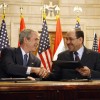
How Maliki and Iran Outsmarted the U.S. on Troop Withdrawal
Defence Secretary Leon Panetta's suggestion that the end of the U.S. troop presence in Iraq is part of a U.S. military success story ignores the fact that the George W. Bush administration and the U.S. military had planned to maintain a semi-permanent military presence in Iraq.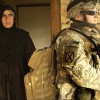
U.S.: Iraq Intervention Ends with Scarcely a Whimper
When the United States formally ended its eight-and-a-half year military adventure in Iraq on Thursday with a flag-lowering ceremony presided over by Defence Secretary Leon Panetta Baghdad, hardly anyone here seemed to notice, let alone mark the occasion in a special manner.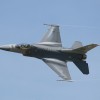
Soviet-Armed Iraq Switches Allegiance to U.S. Weapons Systems
As the United States withdraws the last of its 50,000 troops after a nearly nine-year military occupation of Iraq, visiting Iraqi President Nuri al-Maliki had one final request: billions of dollars worth of U.S. weapons for his ragtag armed forces.
BOOKS-US: Deconstructing Thomas Friedman
A new book on the influential New York Times columnist Thomas Friedman sets out to debunk his hawkish, neoliberal views, accusing him of overt racism, factual errors and skewed judgments on issues ranging from the U.S. invasion of Iraq to the Israeli-Palestinian conflict.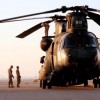
“Who Lost Iraq” Debate Fails to Get Traction
Two weeks after President Barack Obama announced the withdrawal of all remaining U.S. troops from Iraq by the end of next month, a familiar clutch of neo-conservative hawks and prominent Republicans are blaming the president for "losing" the Middle Eastern country to its neighbour and long-time Washington nemesis, Iran.
As U.S. Exits Iraq, “Endgame” in Afghanistan Remains Elusive
Washington's failure to gain Iraqi approval for a significant U.S. military presence in that country beyond December could make it harder for Afghanistan to agree to a similar deployment beyond 2014.
U.S.-IRAQ: Obama Confirms Full Withdrawal by Christmas
In a decision promptly denounced by Republicans, President Barack Obama announced here Friday that all U.S. troops will be withdrawn from Iraq by the Christmas holidays in late December.Turkish Troops Enter Iraq After PKK Attacks
Turkish forces have launched an incursion into the mountains of northern Iraq following simultaneous attacks by Kurdish separatists in southeastern Turkey that killed at least 26 soldiers.U.S. Hawks Behind Iraq War Rally for Strikes Against Iran
Key neo-conservatives and other right-wing hawks who championed the 2003 U.S. invasion of Iraq are calling for military strikes against Iran in retaliation for its purported murder-for-hire plot against the Saudi ambassador here.U.S. Officials Peddle False Intel to Support Terror Plot Claims
Officials of the Barack Obama administration have aggressively leaked information supposedly based on classified intelligence in recent days to bolster its allegation that two higher- ranking officials from Iran's Revolutionary Guard Corps (IRGC) were involved in a plot to assassinate Saudi Ambassador Adel al-Jubeir in Washington, D.C.
To Be Black in Iraq
"Before being deployed to Iraq I never thought I’d come across people who physically resemble my friends and family back in Buffalo," says U.S. marines sergeant William Collins on a rare patrol around Basra’s Zubeir district.« Previous Page — Next Page »





The Week with IPS

NEXT STOP - SDGs
Tracking global progress towards a sustainable world
Tracking global progress towards a sustainable world
