Languages
Monday, September 28, 2026



News and Views from the Global South
Israel
Palestinian Bubble Set to Burst
“It will collapse, and the collapse will be harder when it happens later,” says Tareq Sadeq, Palestinian economist and professor at Birzeit University, about the financial bubble building up in the Palestinian Authority government.
When the Lights Go Out, Talk
When the lights go out, Gazans look for generators to switch on. And, they find people to talk to. With so many power cuts over so long now, people are giving themselves the somewhat dubious comfort that human relations may have improved as a result of these power cuts.
Egypt Opening Doors to Gaza, Slowly
With the election of the Muslim Brotherhood's Mohamed Morsi as Egypt's first-ever freely elected president, the Gaza file – especially as it pertains to Egypt's border with the besieged enclave – is fast becoming one of the new president's first major foreign policy challenges.Iran Diplomacy Runs into Sanctions-Happy U.S. Congress
Congress’s rush to pass new sanctions against Iran ahead of the August recess comes amidst an intensified drive to pin the Iranian government to deadly acts of international terrorism and amplified moves by U.S. politicians to demonstrate their support for Mideast ally Israel ahead of the November presidential election.
Israeli Group Maps Palestinian Removals
Sitting in an airconditioned car along Road 60 in the heart of the occupied West Bank, Ovad Arad explained how he goes about his job: driving unannounced into Palestinian towns and villages, taking photographs, having coffee with families, and leaving almost as quickly as he arrived.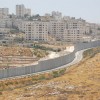
Israel Walls Itself In
As Israel continues to build walls and fences along virtually each of its borders, analysts say the country’s isolationist policies and unwillingness to deal with the Palestinians and other Arab neighbours through anything other than forceful means spells disaster.Netanyahu – Unlike Olmert – Refuses Explicit Iran Attack Threat
The perception that Israeli Prime Minister Benjamin Netanyahu is threatening to attack Iran’s nuclear facilities unless sanctions and diplomacy succeed in shutting them down has been the driving force in the Iran crisis.‘Israeli Bouazizi’ Raises Questions
During a march Saturday marking one year since social protests engulfed Israel, a man silently set himself on fire, leaving behind him a painful “I accuse!” letter that exposes widespread disillusionment in the face of the immense expectation for change, and the abyss between the people and the State.
Israel Divestment Campaigns Gain Momentum in U.S.
A resolution at the General Assembly of the Presbyterian Church (USA) to divest from three corporations which provide equipment used to maintain Israel's occupation of Palestinian lands failed by a mere two votes on Thursday.New Israeli Deputy PM Undercuts Strategy of Pressure on Obama
By staking out a policy line on Iran reflecting the views of the Israeli national security leadership, Deputy Prime Minister Shaul Mofaz has undercut the Benjamin Netanyahu government's carefully planned strategy to get U.S. President Barack Obama to threaten war against Iran if it doesn't give up its nuclear programme.Israel’s New Dissidents Find an E-Voice
A reserve soldier went on hunger strike in solidarity with Palestinian prisoners last week, vowing to surrender his citizenship and live as a Palestinian in a refugee camp; another activist was briefly jailed. They are Israel’s new dissidents. An e-book now comes to light, shedding light on their raison d’être.Israelis Grapple with an Unfinished War
As the threat of war against Iran and its allies in Lebanon and Gaza lingers, questions arise over a war launched 30 years ago. Israel’s far-reaching invasion of Lebanon launched in June 1982 wasn’t an easy choice. Veterans still grapple with this controversial episode of Israel’s history whose name, objectives and legacy were never officially sanctioned.Little Optimism for Iran Talks, But Lots of Advice
On the eve of a third round of critical talks between Iran and the so-called P5+1 – the five permanent members of the U.N. Security Council plus Germany – on Tehran's nuclear programme, optimism about a breakthrough is hard to come by.
Desert Opera Finds New Meanings
The imposing stronghold is almost transparent, barely noticeable, in the pitch-black desert. On top of the stands, with a thousand kilowatts at his finger’s tip, Avi Yona Bueno turns the night into lights, revealing sets, sites, and sounds. “I’m god,” smiles the lighting designer. “I’m god to my children.”Attacking Iran Likely Counter-Productive, Think Tank Warns
While a nuclear-armed Iran would pose significant new challenges to the United States and Israel, a military attack by either country to prevent Tehran from developing a weapon could well prove counter-productive, according to a major new report released here Wednesday by a think tank close to the administration of President Barack Obama.U.S. Hard Line in Failed Iran Talks Driven by Israel
Negotiations between Iran and the United States and other members of the P5+1 group in Baghdad ended in fundamental disagreement Thursday over the position of the P5+1 offering no relief from sanctions against Iran.Israel, Not Iran, Feels Isolated
As a result of the diplomatic momentum geared to disarm international suspicions over the explosive issue of Iran’s nuclear programme, the one country not directly party to the two-track negotiation process feels more isolated than Iran.U.S. Iran Hawks in Congress in Some Disarray
Hopes by Iran hawks here to get the U.S. Congress to wield the threat of a U.S. military attack on the Islamic Republic on the eve of next week's critical negotiations on Tehran's nuclear programme appear to have fallen unexpectedly short.U.S. Iran Hawks in Congress in Some Disarray
Hopes by Iran hawks here to get the U.S. Congress to wield the threat of a U.S. military attack on the Islamic Republic on the eve of next week's critical negotiations on Tehran's nuclear programme appear to have fallen unexpectedly short.EU Feels Force of Israeli Demolitions
All 27 foreign ministers of the European Union have strongly spoken out against Israeli demolitions in Area C of the West Bank. Since the beginning of 2011 not less than 60 EU-funded projects have been demolished while 110 others are currently at risk. Several analysts claim the Israeli authorities are specifically targeting EU-funded projects.Obama to Pro-Israel Lobby Group: ‘Too Much Loose Talk of War’
U.S. President Barack Obama Sunday made a clear statement against a rush to war - either by the U.S. or Israel - with Iran, while also emphasising that he would pursue that option if alternatives were unsuccessful in ensuring that Iran would not develop a nuclear weapon.« Previous Page — Next Page »


The Week with IPS

NEXT STOP - SDGs
Tracking global progress towards a sustainable world
Tracking global progress towards a sustainable world
