Languages
Saturday, November 14, 2026



News and Views from the Global South
Millennium Development Goals (MDGs)
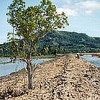
ENVIRONMENT: Earth, Inc. Sliding Into Bankruptcy
Build a shrimp farm in Thailand by cutting down mangrove forests and you will net about 8,000 dollars per hectare. Meanwhile, the destruction of the forest and pollution from the farm will result in a loss of ecosystems worth 35,000 dollars/ha per year.HEALTH-ARGENTINA: Abortion – No Longer a Taboo Subject
Capitalising on a more favourable public opinion, an alliance of civil society organisations in Argentina presented to Congress a draft law Monday for the legalisation of abortion in a country where illegal abortions are the main cause of maternal mortality.SOUTH AFRICA: Cape Floral Kingdom as Vulnerable as It Is Biodiverse
Climate change is threatening the Cape Floral Region, a World Heritage Site in South Africa's Western Cape province, say environmentalists.
BRAZIL: Homeless Squatters Find 'Social Function' for Empty Buildings
The dark entry hallway and a lower floor full of rubble that smells of excrement make it difficult to imagine that this was once a busy hotel, located next to two train stations in the central Luz neighbourhood of the southern Brazilian city of Sao Paulo.PARAGUAY: Solidarity Lending Bolsters Community Development
Esperanza Santos Aranda, who lives in a poor neighbourhood in the Paraguayan capital, used to sell vegetables at a precarious market stall. But thanks to a 60-dollar loan, she was able to open up her own small clothes-selling business.DEVELOPMENT-ZIMBABWE: As Long as Crisis Continues, Border Jumping Will
Attempts to convince Zimbabweans to stay in their country are futile as long as the political and economic crisis continues, say activists and politicians.TRADE-AFRICA: How to Turn The Curse of Oil Into a Blessing
Africa's abundance in natural resources, especially oil, has been called a curse because of the fierce global thirst that exists for these assets.TRADE: Pending EU Agreements Put West Africa at Risk
The European Union and West Africa could scarcely be more different in terms of wealth, yet a pending trade agreement risks making the disparity even greater.HEALTH-AFRICA: ”Brain Drain Is Killing People”
A shortage of health care workers is paralysing the health system in Lesotho, Malawi, Mozambique and South Africa, and threatens the lives of millions, particularly in rural areas, warns Medecins Sans Frontieres, a global nongovernmental organisation specialising in medical services.RIGHTS-ZIMBABWE: ”Women Politicians There to Serve The Men”
‘‘In terms of the number of women in government, yes, we are making progress. But if you dig deep about why these women were appointed you will find that they are only important when it is voting time,'' says Zhean Gwaze, a gender activist and journalist.TRADE-UGANDA: More Time Needed for EPA Negotiations
Uganda has made little progress in its economic partnership agreement (EPA) negotiations with the European Union (EU), as government and the private sector say that they need more time before committing to a deal.ENVIRONMENT-AFRICA: Long Knives Out Over Elephants
Environmentalists are readying themselves for another heated round of debate and horse-trading in the continuing international tussle over the issue of ivory sales.
Q&A: “Eradicating FGM Lacks Political Will”
Senegalese author Khady Koita's celebrated book "Mutilée" hit book stores in Japan on May 19 and was an instant hit. Written originally in French it recalls the author's experience with the gruesome custom of female genital mutilation (FGM) and her work against the practice.DEVELOPMENT-ZIMBABWE: Hunger Exacerbating Child Mortality
Judith Moyo is unable to give her child enough food. She has to bring her 18-month-old daughter to a council clinic for check-ups every month because of what nurses call her ‘‘slow development''.HEALTH-MALAYSIA: Condom Taboo Hampers Fight Against HIV
Lorong Haji Taib is a garbage-filled, rat-infested lane in the heart of the capital famous for its cheap sex, drugs and brawls.
CLIMATE CHANGE: U.N. Braces for New Breed of Refugees
As the international community continues to express fears over the potentially devastating impact of global warming worldwide, there is also growing concern over the steady increase in a new category of displaced persons: environmental refugees.RIGHTS-BOTSWANA: ”We Will Die Like the Grass” – San
‘‘Eviction is like removing grass from its roots. We will die like the grass,'' said Jumanda Gakelebone, spokesperson of the First People of the Kalahari, the group that represents the rights of the San community in Botswana.FINANCE-AFRICA: Mobile Phones Revolutionise Banking
Mobile phone banking is expanding across the region from South Africa to Kenya and is putting the poor directly in control of their own finances like never before.LATIN AMERICA: Measuring Civil Society By Its Own Yardstick
Legal reforms, manuals of good practice, codes of ethics and schools for activists are some of the tools that organised civil society in Latin America wants in order to improve its transparency and legitimacy.PAKISTAN: Cleric Turns Heat on NGOs
''These foreign agents are against our religion. How can we allow them to work here when we know they come with an American agenda and support Israel?" asked Maulana Fazalullah, the pro-Taliban cleric, referring to non-governmental organisations (NGOs).CLIMATE CHANGE-BRAZIL: Once and Future Environmental Leader?
Brazil appears to be about to pass over a prime opportunity to affirm itself as a leading environmental power in negotiations to bring the threat of global warming under control, according to environmentalists and analysts.« Previous Page — Next Page »


The Week with IPS

NEXT STOP - SDGs
Tracking global progress towards a sustainable world
Tracking global progress towards a sustainable world
