Languages
Tuesday, September 22, 2026



News and Views from the Global South
North Africa
U.S.: Libya Splitting Republicans in 1990s Redux
In something of a replay of the infighting among Republicans over Washington's military interventions in the Balkans in the 1990s, U.S. involvement in the civil war in Libya is exposing serious splits among self-described conservatives.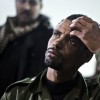
LIBYA: Prisoners on Both Sides at Risk
After a month and a half of conflict in Libya, the situation of political prisoners and prisoners of war on both sides is uncertain, and their fundamental rights are at risk.EGYPT: Cracks Appear In Mubarak-Era Labour Body
The state-controlled trade union federation that for over half a century was employed by Egyptian rulers to suppress workers' protests and mobilise voters for sham elections appears to be crumbling with the recent ouster of president Hosni Mubarak.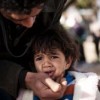
Libya Poses Immigration Challenge to Italy
The influx of migrants arriving from Libya and other African countries has created an unprecedented humanitarian crisis in southern Italy.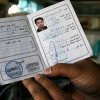
PHILIPPINES: Migrant Workers Put Jobs Before Safety in Libya
Amidst political turmoil in Libya, thousands of migrant workers from the Philippines face a dilemma - either they risk their lives working in the conflict- ridden country, or they return home and face job insecurity.
Sky-High Oil Prices Here to Stay
As the Arab world continues to pitch and heave with flashes of popular uprisings here and sparks of brutal crackdowns there, analysts are painting a grim picture of the regional unrest's economic consequences, predicting the persistence of high oil prices in the coming years.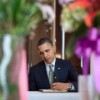
MIDEAST: Washington’s Patchwork Policy on Democracy
While a NATO-led coalition continues to enforce a no-fly zone in a Libya that seems to be on the brink of catastrophe, the Barack Obama administration has yet to formulate a set of guiding principles in dealing with ongoing protests throughout the region in countries like Bahrain.
CORRUPTION: Post-Mubarak Egypt Probes Public Land Contracts
Egyptian authorities have opened dozens of criminal investigations into hundreds of millions of dollars worth of public land contracts that were awarded illegally to real estate developers associated with former President Hosni Mubarak without proper procedures at below market rates.Libya Uprising Hits West’s Dinner Tables
Linkages between the Libyan uprising and shelling out more money than usual at a local market in the West may not at first seem apparent but the common denominator is oil.LIBYA-U.S.: Obama Speech Leaves Many Questions Unanswered
Widely praised as an effective defence of Washington's 10-day- old military intervention in Libya, President Barack Obama's speech Monday evening appears to have left several key questions about his future intentions unanswered.
LATIN AMERICA: Growing Opposition to Military Intervention in Libya
Latin America is still divided over the military intervention in Libya. But the nations that were initially opposed to it are gradually hardening their stance as the objective of the Western powers taking part in the air strikes authorised by the U.N. Security Council to protect civilians becomes less and less clear.OP-ED: No-fly Zone – Clouding Words of War
Phantasms from the 1990s are upon us: no-fly zones; the rhetoric of humanitarian war in Washington, Europe and the U.N.; guarantees that no U.S. ground troops will be deployed; an air war which alone cannot decisively affect earthbound events.Libyan Rebels Facing Tough Fight for Sirte
Forces loyal to Muammar Gaddafi are resisting an advance by Libyan rebels towards the embattled Libyan leader's hometown of Sirte in the fiercest clashes since the start of a sweeping offensive that has brought a string of coastal towns under opposition control.Libya Not Quite the Same as Serbia
The month of March, named after the Roman god of war, Mars, appears to be the favourite among war planners in modern times.African Union Urges Libya Dialogue
The Libyan government has agreed to a range of proposals from the African Union at a high level meeting held in Addis Ababa Friday, including democratic reforms and talks with the rebels.TURKEY: Old Colonial Rivalries Revive over Libya
Turkey's volte-face Thursday evening to make a sizeable military contribution to NATO's intervention in the Libyan crisis, after two weeks of fierce opposition to the Alliance's mingling with Arab affairs, has further blurred Ankara's position in the North African conflict.
LIBYA: Obama Doctrine of Multilateralism on the Line
As the North Atlantic Treaty Organisation (NATO) prepares to assume command and control of military operations in Libya after five days of the United States at the helm, U.S. President Barack Obama's doctrine of multilateralism is on the line.No Plans for Regime Change in Libya, Assures U.N. Chief
U.N. Secretary-General Ban Ki-moon brushed aside widespread speculation that the U.S.-led military attacks on Libya is part of a much-wider plan with a hidden political agenda: the ouster of Muammar el-Gaddafi from power.EGYPT: Virginity Checks Are Army’s Latest Weapon
Fresh-faced Salwa El-Hosseiny had joined protesters in Cairo's Tahrir Square when a plainclothes officer grabbed her and dragged her to army officers stationed in a nearby museum.OP-ED: Libya Intervention Threatens the Arab Spring
Despite its official U.N.-granted legality, the credibility of Western military action in Libya is rapidly dwindling. Within just 48 hours of the start of the bombing campaign, the U.S. and its allies lost the support of the Arab League.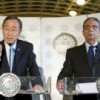
LIBYA: U.N. Chief’s Ambivalent Role in the No-Fly Zone
When the U.N. Security Council adopted a wide-ranging resolution last week recommending humanitarian and military action inside Libya, both U.N. Secretary-General Ban Ki-moon and Arab League Secretary-General Amr Moussa were assigned key roles in "coordinating" the implementation of the mandate.« Previous Page — Next Page »


The Week with IPS

NEXT STOP - SDGs
Tracking global progress towards a sustainable world
Tracking global progress towards a sustainable world
