Languages
Tuesday, November 17, 2026



News and Views from the Global South
Poverty & MDGs
GUATEMALA: Elections Hold Out Little Hope for Women Victims of Violence
Although they have taken a tough stance on crime, the leading candidates for Sunday’s presidential elections in Guatemala have not specifically addressed the serious problem of violence against women, which has cost at least 322 lives so far this year, nor have they proposed concrete measures to combat it.LATIN AMERICA: Scientists Second-Guessing the Path of the Whirlwind
Hurricanes Dean, Felix and Henriette caused dozens of deaths and millions of dollars worth of damage in the tropical zone of the Americas in just over two weeks. But worse may lie ahead, as five large cyclones are expected to materialise before the storm season is over.ENERGY: World Bank in Bid to Light Off-Grid Africa
The World Bank hopes to bring modern lighting to one-fourth of Africa's people by developing markets for products not hostage to fossil fuels or the continent's lamentable electricity grid.POVERTY: 40-Day Global Fast for Debt Cancellation
A group of celebrities from several countries have joined a rolling 40-day fast beginning this Thursday to call for cancellation of the foreign debt of the world’s poorest countries.
ASIA PACIFIC: War Games Muddy APEC Summit
China’s display of economic clout and diplomatic assertiveness at the Asia Pacific leaders’ forum in Sydney this week has been overshadowed by a concurrent show of power in the Bay of Bengal where the United States is leading four Asia-Pacific countries in the largest war games ever held in the region.POLITICS-MOROCCO: Quotas Overpowered by Machismo
When Morocco held legislative polls a decade ago, just two women were elected to the lower house of parliament in this North African country. Legal reforms enacted since have ensured that women will fare better when the latest parliamentary ballot gets underway Friday. But for activists, there is still a long way to go in bringing gender parity to the Chamber of Representatives.ARGENTINA: Finally, a Marine Preserve
Argentina's first marine and coastal park, which is to protect rich biological diversity in the southern province of Chubut, is awaiting legislative approval.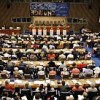
CLIMATE CHANGE: Leaders to Debate Warming at U.N.
Amid growing concern over the slow pace of international negotiations, the United Nations has called an extraordinary meeting of world leaders to discuss climate change.DEVELOPMENT: Threat of Turmoil in the Midst of a Boom
Regional financial cooperation in the developing world can help safeguard poor countries from financial crises, the United Nations Conference on Trade and Development (UNCTAD) says in a new report released Wednesday.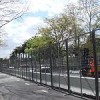
AUSTRALIA: NGOs Have Long Wish List For APEC Summit
As 21 world leaders representing three billion people living in the Asia Pacific Economic Forum (APEC) nations meet here, civil society groups are calling for an instant end to poverty, the war in Iraq, and immediate action on climate change.POLITICS-KENYA: “I Almost Have No Fare to Come Back to Nairobi”
Posters, campaign appearances, radio spots and television adverts: all are essential for winning office in Kenya's general elections, set for December, and all cost money that parliamentary candidates are responsible for raising in this East African country.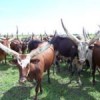
BIODIVERSITY: One-Fifth of Local Livestock Risks Extinction
Wild and exotic animals aren't the only creatures facing imminent extinction. Many breeds of indigenous livestock in Africa, Asia and Latin America are now at a risk of entirely disappearing.
RELIGION-INDIA: Mother Teresa's Work With the Dying Lives On
Garishly made-up sex workers hang around the seedy street that leads to ‘Nirmal Hriday’, the home for the dying founded by Nobel peace laureate Mother Teresa, in a portion of an abandoned temple to the Hindu demon-slaying goddess Kali.RIGHTS-BRAZIL: ‘Quilombos’ Fight Exclusion
More than a century after the abolition of slavery, Brazil still has small remnant "quilombos", free settlements created by fugitive African slaves in the 17th and 18th centuries.
PERU: Little Help for Slum-Dwellers Left Homeless by Quake
"We have come here because God sent us," says pastor Pedro Leyva Díaz. He looks tired after distributing food, clothes and sweets in dozens of poor communities devastated by the earthquake in southern Peru.BOLIVIA: Unequal Battle Against Hunger
In the crowded Bolivian barrio of Achachicala, Salvation Army pastors and volunteers are fighting malnutrition by feeding 500 children on less than 50 cents of a dollar per meal.ASIA: War Footing Needed to Fix Water, Sanitation Issues
Government officials, sanitation experts, funding agencies and civil society representatives are unanimous that Asia’s water delivery and sanitation problems should be tackled with the same urgency as disaster relief.HEALTH-GHANA: Boreholes That Proved a Lifeline Have Come at a Cost
Ask people to list the causes of tooth discolouration and they may mention tobacco chewing, or one too many cups of coffee a day. Pose the question in Ghana's northern Nayorigo village, however, and someone might answer: desertification.TRINIDAD: Condom Machines the Latest Front in AIDS War
Among the frequently asked questions on the website of the National AIDS Coordinating Committee (NACC) in Trinidad and Tobago is one dealing with the use of condoms in the fight against HIV/AIDS.ARGENTINA: Expansion of Agricultural Frontier Endangers Native Communities
Encroached upon by the expanding agricultural frontier and facing the indifference of the state, indigenous communities in the northeastern Argentine province of Chaco have problems of access to water, food and their natural medicines, and are heading towards extinction.POLITICS: Murky Future for Rights Treaty on Water
A proposed international treaty to guarantee water as a basic human right has received mixed reviews from experts, environmentalists and political activists.« Previous Page — Next Page »


