Languages
Tuesday, November 17, 2026



News and Views from the Global South
Poverty & MDGs
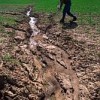
ENVIRONMENT: Dirt Isn't So Cheap After All
Soil erosion is the "silent global crisis" that is undermining food production and water availability, as well as being responsible for 30 percent of the greenhouse gases driving climate change.
RIGHTS-US: Low-Income Housing on the Chopping Block
Even as people around the United States and the world recall the horrors of Hurricane Katrina two years ago, which displaced tens of thousands of the Gulf Coast's poorest residents, government-subsidised housing has come under increasing attack by policymakers in the U.S.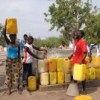
MOZAMBIQUE: Water Supplies Still a Pipe Dream at Certain Health Facilities
A swelling crowd of people has gathered at the rural health centre at Monte Xiluvo in Nhamatanda district, in the central Mozambican province of Sofala. Most are mothers with young children who try to protect themselves from the gusty winds as they wait for their consultation with Caetano Mendosa, the nurse responsible for the centre.ECONOMY-US: Rural Poverty Stagnates as Uninsured Multiply
Record numbers of people lack health insurance and poverty remains largely unchanged five years after the U.S. economy began clawing its way back from recession.DEVELOPMENT: EU Parliament May Insist on Health Aid
The European Union's only directly elected body is demanding increased aid for basic health and education in poor countries before it approves next year's budget for the 27-nation bloc.TRADE-CAMEROON: New Study to Bridge Finance Gap of Small Business
Caught in a limbo between larger firms with access to traditional banking-sector finance and micro-credit initiatives designed to help the small enterprises of the very poor, African businesses in the middle have historically been on the wrong side of both extremes when it comes to accessing finance.TRADE-SENEGAL: Finding Opportunities Through Cheap Chinese Goods
Allées du Centenaire, a neighbourhood in the heart of Senegal’s capital Dakar, may be lacking the trademark red lanterns but in the eyes of locals it is fast becoming the city’s unofficial Chinatown.HEALTH-INDIA: Activists Will Continue to Push Boycott of Novartis
Activist groups campaigning for affordable drugs will continue their boycott campaign against Swiss pharma major Novartis AG, whose controversial petition arguing that Indian patent laws violated World Trade Organisation (WTO) provisions was rejected by the Madras High Court in southern Chennai city.VENEZUELA: A New Life for At-Risk Kids, and Music Too!
On tour in Germany after performing to rave reviews at the BBC Promenade Concerts in London, the members of Venezuela’s Simón Bolívar Youth Symphony Orchestra and its wild-haired conductor, Gustavo Dudamel, have made a remarkable journey from their less than promising social origins.COLOMBIA: Campaign Seeks to Make Water a Constitutional Right
Sixty environmental, indigenous, labour and social organisations in Colombia are carrying out a campaign for a constitutional amendment that would make access to clean water a fundamental right.DEVELOPMENT: Farewell to "Flush and Forget"
In urban settings, the one-time use of water to disperse human and industrial wastes is becoming an outmoded practice, made obsolete by new technologies and water shortages.HEALTH: Doctors from the Developing South Helping the North
There are not enough doctors in Portugal’s public health system, because too many have left to enter the private sector. This has forced socialist Prime Minister José Sócrates’ administration to seek rapid and drastic solutions, one of which is to attract doctors from the developing world.
SOUTH AFRICA: Copper Thieves, an Abattoir and Coal Mining Threaten Lake District
Raw sewage flowing into Lake Chrissie is threatening to turn South Africa’s largest natural freshwater body into a massive cesspool. Environmentalists claim that for seven years, local authorities ignored their pleas to upgrade water treatment facilities; officials only took action, they say, when local revenue was affected by the closure of tourism routes such as biking trails, as a result of pollution.
HEALTH-SRI LANKA: Lessons From Int'l AIDS Meet
For Padma, a sociology graduate from a Sri Lankan university, the three-day International Congress on AIDS in Asia and the Pacific (ICAAP) that ended Thursday was nothing short of an enlightening experience in her life.
ENVIRONMENT-ARGENTINA: Sad Tale of the Tercero River
Argentina's polluted rivers are not limited to Buenos Aires. Wastewater dumping is devastating the second largest river of the central province of Córdoba, the Ctalamochita, or Tercero River.TRADE-MALAWI: Government Joins Chorus of Concern about EPA
Manufacturers, exporters and even government officials in Malawi are jittery about January 1, 2008. On that day the economic partnership agreements (EPAs), currently being negotiated between the European Union (EU) and six groupings of African, Caribbean and Pacific (ACP) countries, will come into force.
Q&A: “I Have Ideas for Things That Need To Be Done in All Social Sectors”
It's a long way from the north of France to West Africa - and from studying mathematics at the University of Lille to becoming a mayor in central Cameroon. But Marie-Hélène Ngoa has successfully undertaken both these journeys.HEALTH-SOUTH-EAST ASIA: Fortified Flour – Key Nutrition Strategy
When Indonesian women and children tuck into cups of ‘Indomie’, a popular brand of instant noodles, they are assured a tasty staple healthier than most other brands sold across South-east Asia.PERU: Anti-Poverty Plan Shrouded In Mystery
Peruvian President Alan García says that one of the pillars of his strategy to radically reduce poverty in his country is a new plan which, although it is fully operational, remains a mystery to the majority of Peruvians.
HEALTH: Sanitation the World's Silent Humanitarian Crisis
The topic of toilets often makes people uncomfortable, says the U.N. children's agency UNICEF, and the subject of human wastes is rarely aired in public.BRAZIL: Controversial Bill to Sterilise Younger Women
A draft law to reduce the minimum age for women to undergo voluntary sterilisation in Brazil’s public hospitals from 25 to 18 is vigorously opposed by the government.« Previous Page — Next Page »


