Languages
Friday, October 9, 2026



News and Views from the Global South
Preventable Diseases - Africa
Government Under Fire As Cholera Epidemic Rages
This death toll from a cholera epidemic in Cameroon's North and Far North provinces stands at 420, according to public health minister André Mama Fouda. The outbreak of the waterborne disease throws an unwelcome spotlight on inadequate access to clean water and sanitation, particularly in the country’s rural north.Uganda Failing to Control TB
John Mahanga sits on his hospital bed, coughing persistently. The 42-year-old has been suffering from tuberculosis (TB) for the past three years. He has been in treatment for it, but repeatedly stopped taking medication when he felt better. Doctors have now diagnosed him with multi-drug resistant (MDR) TB.
ECONOMY: Growing Obesity in Africa Bad for Worker Productivity
Obesity is no longer a problem confined to wealthy nations. In their developing counterparts in Africa, an increasing number of people can be categorised as obese. According to researchers this trend could be detrimental to countries’ already fragile economies.
WHO – Maternal Deaths Fall
The number of women dying from pregnancy related causes around the world is falling. Sub-Saharan Africa remains one of the most dangerous place for pregnant women, despite recording a 26 percent reduction in maternal mortality rates.SOUTH AFRICA: CSOs Urge Binding Commitment on Socio-Economic Rights
A grouping of six civil society organisations (CSOs) has called on the South African government to ratify the International Covenant on Economic, Social and Cultural Rights (ICESCR).
Financing Public Health in Africa
Campaigners for increased health financing welcome the commitment by African Union member states to direct more resources to health. But the needs of the continent seem to dwarf available budgets.
KENYA: TB Patients Held in Prison
When a doctor instructs a patient to take one tablet three times a day, she often has no way to ensure the instructions are followed.
SOUTH AFRICA: ‘Tea Bag’ Filter Provides Safe Drinking Water
Though it may look like a tea bag, straining water through this recently developed filter could provide a cheap, easily replenished source of water for those who need it most.HEALTH: S. Africa Becomes a Victim of its ARV Treatment Success
Almost a million South Africans are already on lifelong antiretroviral (ARV) treatment and this number is supposed to triple in the next decade if the South African government keeps to its implementation plan.
SOUTH AFRICA: “Children are Dying Needlessly”
By the time Thandi Khumalo* brought her seven-month-old daughter to the Red Cross Children’s Hospital in Cape Town, help came too late. The infant had developed acute diarrhoea and kwashiorkor, a condition caused by severe protein and calorie deficiency, and died a few days after being admitted.ZIMBABWE: Questions Raised Over Water Treatment Funding
The memories of Zimbabwe's 2008-2009 cholera outbreak are fresh in the minds of everyone except the people who have the safety of the country's water in their hands.
MALAWI: Urban Dwellers Adopting Dry Sanitation
Diarrhoea causes more deaths than malaria and AIDS combined, yet while funding to fight the latter two have risen sharply, the same cannot be said of resources available for hygiene, sanitation and clean drinking water.MALAWI: Vaccination Foiled by Divine Intervention
Dowa, central Malawi: medical staff struggle to vaccinate frightened children clinging to their parents, as an armed policeman stands guard.ZIMBABWE: Badly Needed Work Begins on Bulawayo Water System
Dispersing feasting flies and angry residents from a manhole cover spewing sewage from people’s homes and into the road: another day in the working life of Njabulo Siziba. It's a dirty, frustrating, thankless job as a civil engineer for Bulawayo city council, but help is at hand for Siziba and the city he serves.Nigeria Suffers Acute Lead-Poisoning Outbreak
The Nigerian government is trying to cope with an outbreak of lead poisoning which has killed over 200 people in Zamfara State since early July.
AFRICA: Less Funds Will Cause Unnecessary AIDS Deaths
Backtracking by international donors in funding the fight against HIV/AIDS risks widening the treatment gap in Africa, undermining years of positive achievements in the field, warns a new Medecins Sans Frontières report. And many more unnecessary HIV-related deaths will be caused by these shifts in international donor funding
HEALTH-SOUTHERN AFRICA: Community Mobilisation Key to Fight TB
African medical experts have realised they need to make a much bigger effort to educate rural communities if they want to effectively contain the continent’s tuberculosis (TB) epidemic.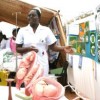
MALAWI: “Commotion About Anti-Counterfeit Bill Is Unnecessary”
The Malawian government intends to pass a new bill against counterfeit goods by October which will also cover medicines. This step is being taken despite fears that such a law may cause more stock-outs in a country that is already riddled with drug shortages in medical facilities.
Chad Redoubles Efforts Against Polio
The polio vaccination campaign under way in Chad has added significance in 2010. The country recorded zero polio cases in 2004, but 66 cases of wild polio were reported in 2009, according to the Global Polio Eradication Initiative.Ramping up Malaria Prevention in Angola
Crouched on an upturned plastic box, Eva Angelino bounces 11-month old Odelina on her knee, trying to stop her crying. Mother and daughter are waiting in line outside a public health centre not far from the city centre of Angola’s capital Luanda.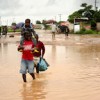
ZAMBIA: Health Fears Follow Floods
As the heavy rains subside, signifying the end of the rainy season, a cholera outbreak is sweeping through the Zambian capital, Lusaka.« Previous Page — Next Page »





The Week with IPS

NEXT STOP - SDGs
Tracking global progress towards a sustainable world
Tracking global progress towards a sustainable world
