Languages
Monday, September 28, 2026



News and Views from the Global South
Sierra Leone

U.N. Concerned Over Ebola Backlash
The United Nations, which is working on an emergency footing to battle the outbreak of Ebola, is worried about the potential for further isolation of the hardest-hit nations in West Africa.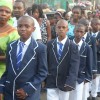
Ebola Outbreak Affects Key Development Areas in Sierra Leone
The outbreak of the deadly Ebola epidemic in Sierra Leone has badly affected the West African country’s move towards meeting key development goals.
U.S. Proposes Major Debt Relief for Ebola-Hit Countries
The United States proposed Tuesday that the international community write off 100 million dollars in debt owed by West African countries hit hardest by the current Ebola outbreak. The money would be re-invested in health and other public programming.
Hopes of Controlling Sierra Leone’s Ebola Outbreak Remain Grim
The fight against the deadly Ebola epidemic ravaging West Africa seems to be hanging in the balance as Sierra Leone’s Minister of Health and Sanitation Dr Abubakar Fofana told IPS that the government is overwhelmed by the outbreak.
OPINION: Ebola, Human Rights and Poverty – Making the Links
The catastrophic Ebola crisis unfolding in West Africa offers many lessons, not least for global anti-poverty efforts. These will culminate in a set of targets, to be agreed by the United Nations in 2015, known as the Sustainable Development Goals (SDGs).
Militarising the Ebola Crisis
Six months into West Africa’s Ebola crisis, the international community is finally heeding calls for substantial intervention in the region.
Despite New Pledges, Aid to Fight Ebola Lagging
Despite mounting pledges of assistance, the continuing spread of the deadly Ebola virus in West Africa is outpacing regional and international efforts to stop it, according to world leaders and global health experts.
The Good – and the Bad – News on World Hunger
The number of hungry people in the world has declined by over 100 million in the last decade and over 200 million since 1990-92, but 805 million people around the world still go hungry every day, according to the latest UN estimates.
How Midwives on Sierra Leone’s Almost Untouched Turtle Islands are Improving Women’s Health
Emmanuel is a male midwife. At the age of 26, he lives and works on one of eight islands off the southwest peninsular of Sierra Leone, an hour by speedboat from Mattru Jong, the capital of Bonthe District.
Defying the Ebola Odds in Sierra Leone
Adikali Kamara is a 36-year-old student nurse working in the government hospital in Kenema, a sprawling town on the fringe of the Sierra Leone’s Gola tropical rain forest.
Sierra Leone’s Child Trafficking to Blame for Street Kids
On a street corner in downtown Freetown, Sierra Leone’s capital city, 12-year-old Kaita sits with a friend on a peeling steel railing watching the headlights of motorbikes cruising through the otherwise silent streets. It is after midnight, and motionless human forms lie curled up in doorways or stretched out on pavements nearby. For Kaita, these streets are home, and have been for almost six years.
Diamonds are Not Forever, But the Land Is
In the village of Makonkonde in western Sierra Leone, Mabinti, who no longer knows her age, sits on a low wooden stool in the dappled shade of several palm trees. She clutches a solitary papaya fruit in hands toughened by a lifetime of hard manual work.

The Ugly Face of Street Justice in Sierra Leone
On a steamy, starless night in Sierra Leone’s capital, Freetown, a teenager runs desperately down a potholed street before being violently brought to the ground by a bystander. As word spreads that a thief has been caught, young men come running from all directions.
Unemployed Youth Turn to Drugs
The air is heavy with the smell of marijuana as Gibrilla (23) expertly rolls a large joint at the Members of Blood (M.O.B) gang base in a poor neighbourhood of Sierra Leone’s capital, Freetown.
Sierra Leone’s Waters of Life
 A coastal city, Sierra Leone's capital, Freetown, is an area where people have relied on the ocean for food and employment for as long as they have lived there.

Sierra Leone – Women Shoot Themselves in the Foot in Elections
Only 38 women - of a total of 586 candidates - will contest parliamentary seats in Sierra Leone’s November elections, and the blame for this can be laid squarely on the shoulders of the current group of female lawmakers, according to Barbara Bangura, the director of the women’s organisation Grassroots Empowerment for Self Reliance.« Previous Page


The Week with IPS

NEXT STOP - SDGs
Tracking global progress towards a sustainable world
Tracking global progress towards a sustainable world
