Languages
Sunday, September 20, 2026



News and Views from the Global South
Terrorism
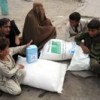
PAKISTAN: Militancy Keeps Refugees Far From Home
Back home, Abdur Rehman’s family had a spacious house that could easily fit the 10 members of his family. Now they all have to squeeze into a small tent in a refugee camp near Peshawar in north-west Pakistan.KENYA: Rights Defender Deemed ‘Contrary to National Interest’
At about 9 pm on May 10, British human rights lawyer Clara Gutteridge arrived at Nairobi’s Jomo Kenyatta International Airport from Dar es Salaam, where she was investigating the arrests of Tanzanians accused of terrorism.
PAKISTAN: Parliament Backs Army and Intel Service
Pakistan’s Senate and National Assembly closed ranks behind the country’s prime spy agency, the Inter-Service Intelligence (ISI), which the U.S. government suspects of having harboured Al-Qaeda chief Osama bin Laden.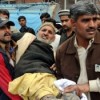
PAKISTAN: More Attacks Feared as Militants Avenge Osama
Officials of Khyber Pakhtunkhwa province in north-western Pakistan want the federal government to send in the army, following a suicide attack that killed some 80 paramilitary police trainees at Shabqadar Fort in Charsadda town north of Peshawar Friday morning.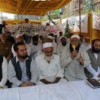
Pakistanis Indifferent to Anti-U.S Rallies
Two of the country’s main religious-political groups have been calling on Pakistanis to come out and protest the killing of Al-Qaeda chief Osama bin Laden, but the public response has been lukewarm.PAKISTAN: Osama’s Women: Who Are They, What Do They Know?
Pakistan authorities announced they would let the United States interrogate the widows of Al-Qaeda leader Osama bin Laden, provided their countries of origin grant permission to do so.Calls Mount to Push U.S. Troop Presence in Iraq Past 2011
Amid high-level U.S. congressional delegations to evaluate developments in Iraq, a growing number of voices here, from both the Barack Obama administration and members of Congress, are concerned about a complete withdrawal of U.S. forces from the country by December 2011 – a deadline set forth in the supposedly inviolable Status of Forces Agreement (SOFA) between the U.S. and Iraqi governments back in 2008.Pakistan PM Ducks the Osama Question
Prime Minister Yousaf Raza Gilani defended Pakistan’s Inter-Services Intelligence (ISI) amid scathing criticism from the world community that the spy agency had aided and abetted Osama bin Laden, who was hunted down and killed by U.S. forces in Pakistan May 1.U.N. Experts Push for Details on Bin Laden Operation
Was last week's killing of an unarmed Osama bin Laden in his hideout in Pakistan legitimate self-defence, justified homicide or extra-judicial execution?After Bin Laden Hit, U.S. Aides Raise Dubious Hopes for Peace
Barack Obama and top administration officials have taken advantage of the killing of Osama bin Laden to establish a new narrative suggesting the event will pave the way for negotiations with the Taliban for peace in Afghanistan.Pakistan in Deep Turmoil
Pakistani Prime Minister Yousuf Raza Gilani faces the nation Monday, amid opposition demands for the resignation of the country’s top political and military leaders in the wake of the secret U.S. operation that killed Al-Qaeda chief Osama bin Laden on Pakistani soil.Bin Laden Coup Could Mark New Beginning for Obama
Five days after U.S. Navy Seals shot and killed Osama bin Laden at his secret compound in Abbottabad, Pakistan, U.S. President Barack Obama is enjoying a significant boost in public approval, as well as a transformation in his public image.
OP-ED: Gunfight at Abbottabad: Dismantling the Myth of an American Hero
In Hollywood Westerns, the sheriff engages in a shootout with bad guys and wins. Such was the story of Wyatt Earp, who killed rustlers in the "Gunfight at OK Corral". Then there is the American cowboy, represented by John Wayne - tall, handsome, Anglo-Saxon – who rides into town whistling before he dispatches the "bad guys" sometimes represented by "Indians" like Geronimo, the Apache, who supposedly terrorised innocent settlers.After Osama, China Fears the Next Target
The United States' most vilified terrorist foe has been dead only a week but China is already haunted by the phantom of the next big U.S. enemy. Almost simultaneously with the spread of the news of Osama Bin Laden's death in a covert U.S. operation in Pakistan, Chinese analysts had begun the guessing game of where Washington will focus its attention next.
PAKISTAN: Tourists Flee Osama Shadow
This is the time of year when picturesque Chitral Valley in the northwestern corner of Pakistan sees a huge influx of tourists. But local residents fear a backlash from the events in Abbottabad, some 300 miles southeast, as authorities put up an extraordinary security cordon throughout this tourist haven.Afghans Rejoice Over Osama Death
The assassination of Al-Qaeda founder and chief Osama bin Laden by U.S. forces has gladdened Afghans, who see him as the person who consigned millions of them to hell.PAKISTAN: Watching Where the Drones Now Go
"They should wrap up and leave!" says cricketer turned politician Imran Khan, who has been waging a campaign to put an end to the U.S. and NATO presence in the region.CIA Feared Pakistan Would Alert Bin Laden
U.S. officials were concerned that Pakistan could jeopardise the Osama bin Laden operation and "might alert the targets", if Islamabad took part in the mission, Leon Panetta, the CIA director, has said.PAKISTAN: Osama Killing Largely Unmourned
Three days since the death of Al-Qaeda chief and U.S. public enemy No. 1 Osama bin Laden, there are no public demonstrations to protest his killing, nor are there any other displays of anger or grief in this country of 170 million where he once enjoyed tremendous support.Pakistan Responds With Disbelief
The once elusive Osama bin Laden may be dead, but the way he was killed, the secrecy surrounding the covert mission, and the haste with which the body was buried at sea have provided grist for the rumour mill.Osama the Symbol Not So Easy to Vanquish
Far from concluding the war on terror, both Western and Muslim-majority countries - many emerging or still embroiled in months of popular protests – will continue to face a threat from extremist ideology after the United States' decade-long campaign to capture or kill Osama bin Laden has come to an end, most analysts say.« Previous Page — Next Page »


The Week with IPS

NEXT STOP - SDGs
Tracking global progress towards a sustainable world
Tracking global progress towards a sustainable world
