Languages
Wednesday, June 24, 2026



News and Views from the Global South
The Information Society
MEDIA-SRI LANKA: Under Fire Journos Learn Survival Skills
For journalists on the job in Sri Lanka - considered by international media rights bodies to be the third most dangerous place to work in, after Iraq and Somalia - staying safe is a prime concern.LATIN AMERICA: IPS and UNDP Launch Second Journalism Prize on MDGs
Next year will be a tough time for the countries of Latin America and the Caribbean, which means it will be more than ever necessary to avoid backsliding in the efforts to reach the Millennium Development Goals (MDGs), and journalists have an important role to play in that task, UNDP regional director Rebeca Grynspan said Wednesday.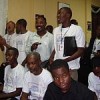
HAITI-DOMINICAN REPUBLIC: Media Unites to Fight Stereotypes
The contrast between Haiti and the Dominican Republic, which share the island of Hispaniola, is nowhere so stark as on its common border.MEDIA-PHILIPPINES: ‘Jeepney’ Street Paper Delivers Jobs Too
"We share with people our stories, rich stories that can be found in the streets," Cheran Banaria says of her work selling ‘The Jeepney Magazine’, the Philippines’ first street paper. "Before, I was really shy in facing and talking to rich people. I felt like an ant before them. But now, I can say I am a bit confident facing them."INDONESIA: Media Turns Bali Bombers Into Martyrs
In a crowded neighbourhood in this sprawling city families sat glued to their television sets late into the night of Nov. 8 watching updates on the execution of three men convicted for the 2002 nightclub bombings on the resort island of Bali, killing 202 people.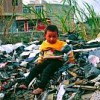
ENVIRONMENT: Where That “Recycled” E-Waste Really Goes
Is your old TV poisoning a child in China? Or your old computer contaminating a river in Nigeria?ARGENTINA: Newspaper Brings to Light Abuses against Poor Farmers
Small farmers in the northern Argentine province of Santiago del Estero are publishing their own newspaper in an attempt to raise awareness about the constant abuses they suffer at the hands of wealthy landowners, who are encroaching on their small plots of land.EGYPT: Islamists Hounded, On Campus and Off
Candidates associated with opposition movements, especially the Muslim Brotherhood, were reportedly barred from participating in last month's student union elections in universities across Egypt. Recent weeks have seen dozens of Brotherhood members detained.PAKISTAN/US: ‘Obama’s Muslim Heritage Will Help’
The most watched polls ever in the world had their share of attention in Pakistan, complete with news updates, TV talk shows, call-ins from Pakistanis living in the United States and speeches by President-elect Barack Hussein Obama.MEDIA-US: Massive Iraqi Death Toll Ignored by Tabloid Culture
The year is 1994. Pictures of Michael Jackson and Lisa Marie Presley cover the pages of prominent U.S. newspapers and magazines. Yet hidden from national view is the attempted elimination of the Tutsi ethnic group in Rwanda.SRI LANKA: Media Groups to Challenge New Restrictions
Media groups in Sri Lanka, already restricted from covering the war against Tamil rebels in the north, are bracing to challenge new regulations that seek to control television broadcasting and new media.
LATIN AMERICA: Campus Party to Bridge Digital Gap
Seeking solutions for closing the digital and technological gap and sharing innovative experiences are the aims of the Ibero-America Campus Party, which is being held parallel to the 18th Ibero-American summit of heads of state and government this week in El Salvador.PERU: Prosecutors Investigate Wiretapping Operation
Prosecutors in Peru are investigating illegal wiretapping allegedly committed by private security companies or police and military intelligence bodies.VENEZUELA: Simon Bolivar in Orbit
Venesat-1 Simón Bolívar was launched into space Wednesday in China, making Venezuela the fourth Latin American country with its own satellite, along with Argentina, Brazil and Mexico.POLITICS-US: Online Poll Shows Obama a Hit in China
Beijing has a tradition of sound relations with Republican presidents of the United States, but the latest China poll shows popular opinion bucking the trend with Democratic presidential candidate Barack Obama becoming an "overwhelming hit" with ordinary Chinese.
DEVELOPMENT: Is The Media Doing Enough?
The media has a key role to play in effectively addressing the two major challenges of the 21st century - sustainable development and climate change. But is it doing enough?
POLITICS-US: E-Voting Worries Focus on Swing States
A common criticism of technology is that the more complex it gets, the more likely it is to break down; more moving parts means more potential problems.
Q&A: ‘Media Must Find a Way for the Message’
While there is clear evidence of growing global warming, "the political will to address it is still lacking," says Mohan Munasinghe, co-winner of the 2007 Nobel Peace Prize as vice-chairman of the United Nations Intergovernmental Panel on Climate Change (IPCC).ARGENTINA: Non-Sexist Language for Reporters
An organisation of over 100 journalists in Argentina has drawn up ten "commandments" for news coverage of gender-based crimes, which include avoiding expressions like "crime of passion" and incorporating terms like "femicide."
MEDIA: Time for a Global Glasnost, Says Gorbachev
Former Soviet president Mikhail Gorbachev has warned against the danger of letting the global financial crisis and other emergencies overshadow media attention on climate change.
MEDIA-PAKISTAN: Sexual Harassment – Routine for Women Journos
Pakistan’s mushrooming electronic media has transformed the political landscape in this South Asian nation where illiteracy bars some 60 percent of the people from reading newspapers. It has also thrown up new challenges for young people entering media, particularly women.« Previous Page — Next Page »


The Week with IPS

NEXT STOP - SDGs
Tracking global progress towards a sustainable world
Tracking global progress towards a sustainable world
