Languages
Monday, November 16, 2026



News and Views from the Global South
Urban Planning
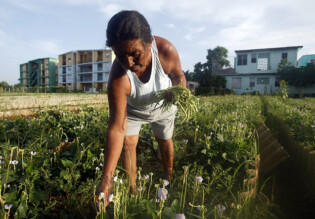
Green Cities Can Make Room for New Homes and the Farms That Feed Them
A field at the edge of a growing city may be worth far more than its market price suggests. It may produce vegetables sold in nearby markets, support local livelihoods and provide green space in an increasingly built-up environment. It can also help cities manage water, adapt to climate shocks and strengthen local food supplies. As municipal authorities decide where new homes and infrastructure should go, understanding what their land already contributes can help them plan for housing and food together.
Water Bodies Central to Urban Flood Planning
“The rain was our nemesis as well as our saviour,” says Kanniappan, recalling the first week of December 2015 when Chennai was flooded.
Cities Will Be Decisive in Fight for Sustainable Development
With cities increasingly in the spotlight on the international stage, urban planning and development has become a critical issue in the Sustainable Development Goals (SDGs).
Judaisation Means Housing Crisis for Palestinians in East Jerusalem
A deliberate Israeli policy to Judaise East Jerusalem has forced thousands of Palestinians out of their homes and created a chronic housing shortage in the occupied part of the city.
Triple Summit in Singapore Puts Urban Planning on the Map
With over 20,000 international participants, a triple summit wrapping up today in Singapore is generating an abundance of ideas on sustainable cities.


The Week with IPS

NEXT STOP - SDGs
Tracking global progress towards a sustainable world
Tracking global progress towards a sustainable world
