Languages
Sunday, November 29, 2026



News and Views from the Global South
Africa
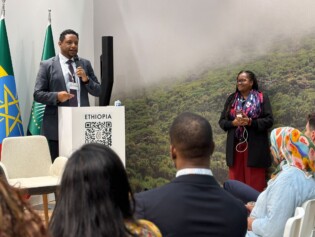
Looking Toward COP32 With Optimism and Resilience
As the dust settles and we move further beyond the close of COP31 Türkiye, I keep returning to these moments. Beyond the headlines saying what a failure COP31 was, these are the moments lost and never heard that I choose to come back to for motivation.
No Antalya Pact, but Some Signs of Progress Emerge from COP31
COP31 will be remembered first for what it failed to achieve.
Somalia-UAE Rift: Regional Power Struggle or Distraction from Domestic Crisis?
Somali President Hassan Sheikh Mohamud has chosen to escalate tensions with the United Arab Emirates as he faces multiple crises at home. The UAE says he is trying to drag it into internal power struggles in Mogadishu.
KENYA: ‘I Tell the Stories of People Who Can’t Go on Stage to Perform Their Struggles’
CIVICUS discusses artivism and civic space in Kenya with Brian Silweyz, a spoken-word artist and human rights defender who uses poetry to campaign for accountability and social justice.

COP31 Ends in Deadlock, Leaving Ethiopia To Pick up the Pieces
There is no final cover decision at this year’s United Nations climate summit after countries did not agree on a text that explicitly mentions moving away from fossil fuels.
COP31 Cover Deal Collapses as EU and Others Reject Draft Over Fossil Fuel Omission
COP31 ended without an overarching climate agreement on Sunday after two days of overtime, as deep divisions over fossil fuels, climate finance and global warming prevented nearly 200 countries from reaching consensus.
Africa’s Just Transition Ambitions Face Hurdles at COP31
Valepi Banda still remembers the day she lost dozens of chickens in June last year in Zambia’s capital, Lusaka, after the heating system failed due to power cuts.
The Future of Surgery in Africa
In too many communities across our continent, a baby born with a cleft lip or palate is met with fear instead of a plan. Some families are told the child is cursed. Some mothers are even forced out of their homes. Yet a cleft is one of the most common and treatable conditions in medicine. A safe operation, done early, lets a child eat, speak and grow up with a bright future.
Genocide Ruling Against Myanmar Sparks Rohingya Celebrations
Cheers and celebrations erupted in mass refugee camps across the border from Myanmar on Thursday as a landmark world court ruling found the military regime had committed genocide against its Rohingya minority.
Kenya Contained Ebola With Preparation, Not Luck. Africa Needs More of the Same
Last week, on 11 November, Kenya discharged its last Ebola patient, just 37 days after the country recorded the first-ever case of the virus in its territory. If no new cases emerge over the next six weeks, Kenya will be officially declared Ebola free on 23 December. So far, zero community transmission has been recorded in the country.
Kenya Says IPCC Report Delay Debate Is About Capacity, Not Politics
The publication timetable for several climate reports has become one of the most contentious issues at this year’s United Nations climate conference, as several fossil-fuel-dependent countries want to delay the next round of scientific assessments.
COP31’s Just Transition Paradox: Where Are the Critical Minerals in the Negotiations?
You cannot build a wind turbine, electric vehicle, battery or solar grid without critical minerals. Lithium, nickel, cobalt, graphite and rare earths are as essential to the clean-energy transition as renewable power itself.
How Biofertilisers Help African Farmers Adapt to Climate Change
When unpredictable rainfall, rising temperatures and declining soil fertility threatened agricultural production across Nigeria four years ago, Baliqees Salaudeen-Ibrahim turned to biofertilisers to keep soil healthy, sustain her horticultural production and build resilience against the growing effects of climate change.
COP31: Leaders Put Resilient Cities on the Table. Will the Money Follow?
“Climate action has to deliver where people live,” COP31 President Murat Kurum said on Resilient Cities and Built Environment Day, part of the Leaders Summit. Cities, he said, are “where that implementation becomes real – in the homes people live in, the infrastructure they depend on and the energy they use every day.”
Indigenous Leader Warns Energy Transition Risks Turning Their Territories Into ‘Sacrifice Zones’
Indigenous communities risk paying a heavy price for the global shift to clean energy unless governments involve them in decision-making and protect their ancestral territories, an Indigenous leader from Brazil has warned.
New Working Group Seeks Justice for Critical Mineral Mining Communities
A coalition of African civil society organisations, representatives from the Africa Institute of Resilience Studies (an independent organisation working in research, policy, training and capacity development), and representatives from the Bank–Civil Society Coalition, which brings together seven major regional networks and civil society organisations working on climate and energy, have launched the African Non-State Actors Working Group on Critical Minerals on the sidelines of COP 31 in Antalya, Türkiye.
The Legal Path to Autocracy
Zimbabwe’s President Emmerson Mnangagwa, who took over when a miliary coup ended Robert Mugabe’s 37 years in power, has made clear he has no intention of limiting himself to a decade at the top. In July, he signed a constitutional amendment that lengthened the terms of the sitting president and parliament from five to seven years and pushed the next general election back from 2028 to 2030.
Africa Makes Some Gains but Faces Major Setbacks at COP31
Today (November 15) marks the second week of negotiations at the United Nations climate summit in the resort city of Antalya, Turkey.
COP31: National Oil Companies Must Lead Global Shift Away from Fossil Fuels, Says NRGI Expert
The shift away from fossil fuels is made more difficult by the powerful, often overlooked role of national oil companies. These companies are deeply embedded in their countries’ economies and political systems.
‘Africa Cannot Burn Its Way Out of Its Waste Crisis’, Zero-Waste Advocates Say at COP31
Plans to build waste incineration plants across Africa risk undermining efforts to curb methane emissions, zero-waste campaigners have warned, as world leaders and climate negotiators gather in Antalya, Türkiye, for the COP31 climate summit.
Africa–Asia: Turning Demographic Change into Opportunity
Although Africa and Asia face different demographic challenges, they share a common imperative: ensuring that legislation, policies and budgets translate into tangible improvements in people's lives.Next Page » *#*

The Week with IPS

NEXT STOP - SDGs
Tracking global progress towards a sustainable world
