Languages
Friday, June 12, 2026



News and Views from the Global South
Africa
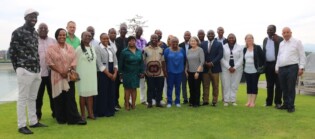
Health Emerges as a Strategic Frontline for Africa Ahead of Bonn Climate Conference
Africa contributes the least to global greenhouse gas emissions, yet it faces some of the world's most severe climate-related health impacts. Several realities define the continent's climate and health landscape – increased infectious diseases, air pollution, death, disruption and pressure on health systems through heatwaves, floods, droughts and storms.
Africa Needs a Radical Plan to Tackle 15M Youth Job Crisis
Africa has no problem with ideas, but the struggle is in how to implement them, leaders said at an inaugural forum convened to promote action on development.
BOTSWANA: ‘Court Rulings Matter, but It’s Sustained Civic Action That Turns Them into Real Protection’
CIVICUS discusses Botswana’s decriminalisation of same-sex relations with Faith Gunda, a Botswana-based law student and human rights defender, a member of the CIVICUS Protest Lab and co-founder of Sisterhood Chain International, a solidarity initiative that supports grassroots groups and amplifies young women’s voices.

Africa Pushes for Data Sovereignty and Digital Independence
African leaders are sharpening their focus on digital sovereignty, warning that the continent’s economic future will depend not just on connectivity, but on who controls its data—and where it is stored.
Fossil Fuel Wealth Fails to Deliver Development in Africa – Report
A new report examining the economic impact of oil and gas production in Africa has found that fossil fuels have failed to deliver sustained or inclusive economic development, observing that the resources have contributed to economic vulnerability and inequality and have constrained growth through prohibitive commodity prices, inflation, and weak local currencies.
Violence, Climate Shocks, and Hunger Push The Sahel To The Brink of Collapse
Over the past few years, the humanitarian crisis in Africa’s Sahel region has expanded considerably, largely driven by a surge of violence—particularly in the Central Sahel. Although the crisis has been described by the United Nations (UN) as having “largely faded from the headlines” since its wake in 2012, millions of people across the region are in dire need of humanitarian assistance as civilian displacement, climate shocks, and widespread hunger rapidly spill across borders.
Reforming Global Finance Is Africa’s Most Urgent Water Policy
Somewhere in Africa today, a woman will spend more than 30 minutes collecting water that may make her and her children sick. At the same time, her government will face severe fiscal constraints that will limit its ability to provide clean water, among other basic services.
South Africa: Activists Call for Greater Access to Newly-Launched HIV Prevention Drug
As South Africa officially launches the rollout of a groundbreaking HIV prevention drug, civic groups in the country have slammed the plan, saying it will not reach anywhere near enough people.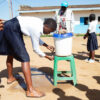
We Knew About the Bundibugyo Ebola Virus for 20 Years. Why was There no Vaccine When the Outbreak Began?
When the world learned that Ebola was spreading across parts of the Democratic Republic of the Congo and Uganda, one fact stood out above all others: there was no approved vaccine for the virus responsible.
Billions Lost as Secret Financial Networks Fuel Forest Destruction in Brazil and Cameroon
A new report has found that billions of dollars linked to illegal deforestation are flowing through global supply chains, with secrecy around land ownership and company records helping timber, soy, and beef products enter international markets unchecked.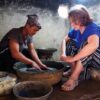
As Global Demand for Gold Grows, UN Mercury Head Warns Toxic Fumes Put Women in a Motherhood Dilemma
Ask any woman miner in the Katoro goldfield in Tanzania’s northern Geita region, and she will tell you that she touches toxic mercury with her bare hands when extracting gold from crushed ore.
Europe Must Not Turn Its Back on Rural Women’s Empowerment
In the hard-to-reach rural community of West Pokot, Kenya, 156 young women crossed a threshold that once seemed out of reach. Their graduation from HER Lab, a workforce skills programme for marginalized rural young women, was more than a ceremony. It demonstrated the power of targeted investment, trusted local partnerships and women’s economic empowerment.
Tanzanians Seek Stronger GEF Support to Cushion Vulnerable Communities
In the opulent conference halls of Samarkand, far from the drought-hit fields of East Africa, Tanzanian delegates have warned that unless global climate finance is directed to rural communities, environmental destruction will only accelerate, deepening the vulnerability of those least responsible for the crisis.
From War Zones to Global Environment Talks, Communities Seek Faster Green Finance
For three decades, Iffat Rachid Edriss walked Lebanon's coastline with a clear purpose: protecting the sea she loves.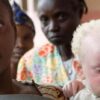
People With Albinism Face Discrimination, Danger
When Patricia J. looks for work or shops at the outdoor markets near her home in rural Malawi, fear still follows her. Years after surviving two attacks linked to harmful beliefs about albinism, she says she remains constantly alert. “I still carry the fear that at any moment I can be attacked again,” she told us as we did research about conditions for people with albinism.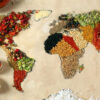
Russia Ensuring Africa’s Food Security
Within the framework of the Expert Council on Africa at Russia's State Duma, the lower chamber of parliamentarians, during its annual round-table conference, held in late May 2026, focused concretely on food security in Africa.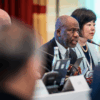
GEF Approves Adaptation Funds Strengthening Resilience in Vulnerable Countries
Bangladesh, the Democratic Republic of Congo, Guinea-Bissau, Niue, Senegal, Solomon Islands, Sudan, and Togo will receive over USD 67 million in new funding to help strengthen resilience.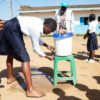
Ebola Outbreak in the DRC Raises Global Health Concerns Amid Conflict and Displacement
Since May 16, there has been a significant increase in the number of laboratory-confirmed and suspected Ebola cases reported across the Democratic Republic of the Congo (DRC), primarily in Ituri Province, with additional unrelated cases identified in Kampala, Uganda. Although the outbreak has remained largely confined to that region, it has been heavily linked to areas affected by insecurity, civilian displacement, and mining-related migration, raising concerns among global health experts that the outbreak could spread without effective monitoring and response efforts.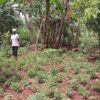
From Seed to Canopy: How a GEF-Funded Smallholder Project is Restoring the Environment, Building Livelihoods
As 52-year-old Alice Onyango walks through her farm in Siaya county, Kenya, you can tell she is proud of her trees, as some tower over her, providing her with shade, while others seem ready to provide her with fruit for the market.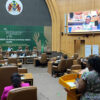
How the Global Anti-Rights Movement Is Targeting Women’s Rights in Africa Through Family Laws
The theme of Africa Day 2026, “63 years of unity, integration and development," offers a stark reminder of the gap that often exists between rhetoric and reality. While commendable regional legal frameworks have advanced legal protections for millions of women and girls, injustice remains written into the fabric of national family laws in many African countries, entrenching gender inequality in the home.
Countries Unevenly Impacted by Global Economic Shocks from Mideast Conflict
The ongoing crisis in the Middle East and the closure of the Strait of Hormuz continue to put immense stress and risk on the global economy.Next Page » *#*

The Week with IPS

NEXT STOP - SDGs
Tracking global progress towards a sustainable world
Tracking global progress towards a sustainable world
