Languages
Sunday, September 27, 2026



News and Views from the Global South

Families in Quake-Hit Nepal Desperate to Get on With Their Lives
Just over a week after a dreadful 7.8 magnitude earthquake rocked Nepal, displaced families are gradually – but cautiously – resuming their normal lives, though most are still badly shaken by the disaster and the proceeding aftershocks that devastated the country.
Nepal: A Trailblazer in Biodiversity Conservation
At dusk, when the early evening sun casts its rays over the lush landscape, the Chitwan National Park, a UNESCO World Heritage Site about 200 km south of Nepal’s capital, Kathmandu, is a place of the utmost tranquility.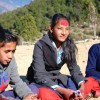
By Girls, For Girls – Nepal’s Teenagers Say No to Child Marriage
If not for a group of her school friends coming to her rescue, Shradha Nepali would have become a bride at the tender age of 14.
Nepal Landslide Leaves Women and Children Vulnerable
Living in a makeshift tarpaulin shelter, which barely protects her family from the torrential rainfall or scorching heat of this remote village in southern Nepal, 36-year-old Kamala Pari is under immense stress, worrying about her financial security and children’s safety.
Nepal’s Poor Live in the Shadow of Natural Disasters
Barely 100 km north of Nepal’s capital, Kathmandu, the settlement of Jure, which forms part of the village of Mankha, has become a tragic example of how the country’s poorest rural communities are the first and worst victims of natural disasters.
For Nepal’s Dalits, Struggle Continues Amidst Slow Progress
 With over 41 percent of Nepal's three million Dalits living below the poverty line, and over 90 percent classified as 'landless', the country must reassess its progress on the Millennium Development Goals (MDGs) vis-a-vis its most vulnerable populations.
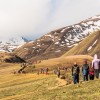
Violence Casts Shadow Over ‘Himalayan Viagra’ Harvest in Nepal
Intense competition during harvest season for a fungus dubbed ‘Himalayan Viagra’ – coveted for its legendary aphrodisiac qualities – has sparked violence in Nepal’s remote western mountains, causing concern among security officials here about the safety of more than 100,000 harvesters.
Nepali – But Not in the Eyes of Nepal
Ten years after she was trafficked to an Indian circus, 22-year-old Radha has returned home stateless, with no document to prove she is a Nepali citizen. Her parents are Nepali but she married a fellow Indian circus member, and does not qualify to be a Nepali citizen any more.
Quakes Could Collapse Kathmandu
As the chief of building codes and earthquake safety of the Lalitpur Municipality, located about 10 km from Nepal’s capital, Kathmandu, Sainik Raj Singh has the tough job of cracking down on builders who fail to comply with the government’s construction regulations.
Leasehold Forestry Breathes New Life into Nepal
Over 40 percent of Nepal is covered in thick forest, but most of it has been degraded. Rural communities that have traditionally relied on the forests for survival now live in abject poverty, struggling to secure the food necessary for survival. Most men have migrated to the Gulf in search of employment.

Leasehold Forestry Brings a New Lease on Life
Nearly 300 km from Nepal’s teeming capital, Kathmandu, in a small village dug into the steep slopes of the mountainous Palpa district, 35-year-old Dhanmaya Pata goes about her daily chores in much the same way that her ancestors did centuries ago.
It’s a car, it’s a motorcycle — it’s the clean-vehicle future
The 200-kilograms two-seater Zerotracer completely stole the show at Abu Dhabi Sustainability Week. Yours for about 150,000 euros, the vehicle works both as a car and a motorcycle, depending on the mood of the driver, by manually removing or adding two wheels. But that is not the real reason it’s a unique show-stopper.
High-tech Gear Did Not Outshine Policy in Abu Dhabi
High-tech showcases of renewable energy were not the only key element of the three-day International Renewable Energy Conference in Abu Dhabi – building political commitment towards seriously promoting renewable energy was an equally strong part of the summit, according to Mohammed El Ashry, chairman of Renewable Energy Policy Network for the 21st Century (REN21), during a press conference that concluded the global event.
Clean Water from Cleaner Energy
Awareness is growing that the excessive energy currently required to desalinate water is not sustainable in the long term. So the big question is how to make it financially viable and technically possible to deploy cleaner power sources.
And Now Some Drops to Drink
Arid countries across the globe are finding themselves high and dry, with not enough groundwater to slake the thirst of both food crops and people. But for coastal states, there is an obvious solution, although it is often energy-intensive.
MDGs a Distant Dream for Nepali Children
 Currently classified as one of the world’s Least Developed Countries (LDCs), Nepal has one of the highest malnutrition rates globally, with over 41 percent of children suffering from chronic under-nourishment, particularly in rural areas.

Nepal Unprepared for Imminent Earthquakes
Nepal now ranks 11th on a list of the world’s most earthquake-prone countries, yet it remains one of the least disaster-prepared nations globally.
Child Marriage Defies Laws in Nepal
Social activists in Nepal agree that the one reason why this impoverished country will miss the gender-linked Millennium Development Goals (MDGs) of the United Nations is the persistence of child marriage.
Droughts Bring Climate Change Home to Nepali Farmers
Farmers in this fertile central district of south Nepal are convinced that an intense drought between May and early July that destroyed their maize crops is the result of climate change.
Growing ‘Entertainment’ Industry Traps Nepali Girls
Almost unnoticed, Nepal’s burgeoning adult entertainment industry has been drawing young girls away from being trafficked across the border to the fleshpots of India’s big cities.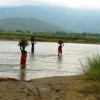
Nepal’s Female Farmers Fear Climate Change
When Arati Chaudhary’s husband left for India to find work as a migrant labourer, the job of managing farm and family fell on her slender shoulders.Next Page »


The Week with IPS

NEXT STOP - SDGs
Tracking global progress towards a sustainable world
Tracking global progress towards a sustainable world
