Languages
Wednesday, October 14, 2026



News and Views from the Global South
Peace
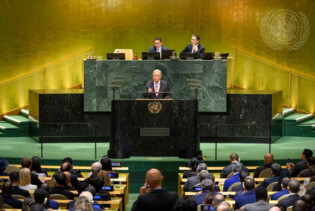
Crisis and Opportunity at the UN
At this year’s highest-profile UN event, Donald Trump publicly mused over his ‘big decision’ about whether to ‘annihilate’ Iran. Israeli Prime Minister Benjamin Netanyahu, as dozens of delegates walked out, branded those who condemn genocide in Gaza ‘moral cowards’.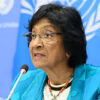
Navi Pillay’s Nobel Peace Prize Is a Vote of Confidence in a Global Legal Order under Fire
The awarding of the 2026 Nobel Peace Prize to distinguished South African jurist and international judge Navanethem “Navi” Pillay is about more than just the recognition of an exceptional individual in the global fight for justice.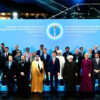
Kazakhstan Has Spent 23 Years Bringing Faiths Together. Now Comes the Harder Part.
In a world increasingly divided by war, political distrust and competing ideologies, Kazakhstan has spent more than two decades pursuing an unusual diplomatic undertaking: keeping representatives of different religions in conversation.
How AI-Powered War Drives the Critical Minerals Race
The demand for critical minerals is accelerating as world powers scramble to stay on top of emerging technologies. Meanwhile, the environment and frontline communities are paying a steep price.
Ukrainian Groups Urge WHO to Act on Torture of Captives by Russian Medical Staff
More than 60 Ukrainian organisations have issued an appeal to the World Health Organisation (WHO) to help stop the torture of Ukrainians held in Russian captivity.
SUDAN: ‘It’s Shocking to Be Forced into Silence Simply Because You Are a Refugee’
CIVICUS discusses life as a refugee with an exiled Sudanese civil society activist who has asked to remain anonymous for security reasons.
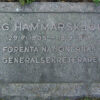
At Hammarskjöld’s Grave, Sixty-Five Years After Ndola
Late in August I stood at Dag Hammarskjöld’s grave in Uppsala. It is a quiet place, a long way from New York and from the wars the United Nations exists to prevent.
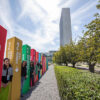
Development Goals Falter as Civil Society Is Shut Out
When the UN High-level Political Forum on Sustainable Development (HLPF) ended in New York in July, it took two recorded votes for states to pass a ministerial declaration that, until recently, would have been adopted without controversy. Uruguay, speaking for the Group of 77 developing countries plus China, pushed through the deletion of a reference to the agreement reached at the COP28 climate summit. Israel forced a vote on a paragraph about self-determination for people under occupation. Russia dissociated itself from the passage on peace and security. The wrangling revealed the extent to which the consensus that in 2015 saw all 193 UN states agree the Sustainable Development Goals (SDGs) – a common blueprint to end poverty, tackle climate change and build accountable institutions by 2030 – has been eroded.
Trump’s “Comprehensive” Gaza Peace Plan a Cover for Genocide
It is nearly a year since the UN Security Council (UNSC) adopted Resolution 2803 on 17 November, 2025, endorsing President Trump’s 20-point framework ostensibly designed to end the war in Gaza and create a roadmap for long-term stability. It is not clear what progress has been made. In August 2026 The Jerusalem Post reported “the IDF continues almost daily strikes in Gaza”, killing more than 1,200 Palestinians since the US-brokered ceasefire deal came into effect, seizing more territory, and continuing to restrict the movement of people and goods into and out of Gaza. Nickolay Mladenov, the UN High Representative on the Board of Peace, wrote in early August 2026 that “two days of strikes across Gaza have killed civilians and destroyed medical supplies that people depend on”. Ironically, this genocidal strike happened only a few days after a US-brokered Hamas disarmament deal, which Trump called, “a monumental step” towards peace and security.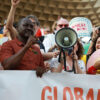
UNGA 81: A United Nations at a Turning Point
The 81st session of the UN General Assembly (UNGA81) opens tomorrow at a particularly important moment for multilateralism. The UN80 reform initiative has entered what the Secretary-General describes as a decisive phase. Member States are selecting the next Secretary-General. The 2030 Agenda is entering its final four years, while conversations about what should follow it are beginning.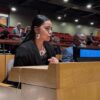
Nuclear Victims’ Experiences Must Be at the Heart of Global Efforts for Assistance and Remediation
More and more, global disarmament discussions are encompassing the humanitarian and environmental impacts of the testing and use of nuclear weapons, as it becomes clear that the legacy of nuclear weapons leaves its mark on multiple generations.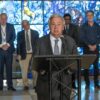
World Humanitarian Day — Protect Aid Workers Against Drones
World Humanitarian Day celebrates humanitarian workers and the life-saving services they provide under the most complex and often dangerous conditions.
Frankenstein in Charge: Netanyahu Rejects Trump’s Gaza Plan
Should anyone be surprised that Israel has rebuffed Donald Trump? The unconditional support of the US and its Western allies for Israel has emboldened the rogue state. Thus, Israel continues its genocide against the Palestinians in defiance of international humanitarian law and the Genocide Convention, and despite the so-called ceasefire agreement under the Trump plan. This is the pay-back for protecting Netanyahu from his arrest warrant by the International Criminal Court (ICC) for committing war crimes and crimes against humanity.
Hiroshima’s Question: Will We Continue to Live Under the Nuclear Shadow?
This year’s Hiroshima Peace Declaration did not begin with words of remembrance alone. It opened instead with what the declaration called “military invasions using nuclear weapons as tools of intimidation,” “imperious actions by major powers in violation of international law,” and the failure of the Nuclear Non-Proliferation Treaty, or NPT, Review Conference — for the third consecutive time — to adopt a final document.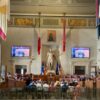
From Castel Gandolfo to Campidoglio: Call for Human Dignity to Be at the Heart of the AI Revolution
After two days of debate at an international conference devoted to the challenges of artificial intelligence (AI), nuclear war and global security, Nobel laureates, former heads of state and government, scientists, human rights defenders, religious leaders and representatives of civil society adopted a joint declaration, calling for it to be based on human dignity.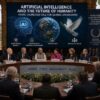
Artificial Intelligence and the Future of Humanity: Nobel Laureates Call for Global Safeguards
"I’m sorry, Dave. I’m afraid I can’t do that.” By bringing the supercomputer HAL 9000 to life in his 1968 film 2001: A Space Odyssey, American director Stanley Kubrick created one of the most powerful symbols of the fear of artificial intelligence (AI) escaping human control.
Western Imperialist Unity Split by Rival Priorities
Trump insists the West must unite on his terms against the Rest, particularly China and Iran. Europe, however, wants greater Trump support for Ukraine’s Zelensky regime to replace Putin’s leadership of Russia.
From the Nuclear Age to the Age of Artificial Intelligence: Can Humanity Build a New Architecture for Peace?
More than eight decades after the atomic bombings of Hiroshima and Nagasaki ushered humanity into the nuclear age, the world is confronting another technological revolution whose consequences extend far beyond science and industry.
Women Peacebuilders: The Missing Voices at the Negotiating Table
 For most individuals, the process of peace starts with the signing of a ceasefire or an agreement among politicians. However, those who live in regions experiencing violence understand that peace is made long before politicians meet at the negotiating table. Peace is created among communities by people who work everyday to ensure that no violence takes place, and that disputes are sorted out.
When an Ally Becomes a Liability
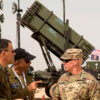
For a generation, no foreign leader bet more heavily on a single American president than Benjamin Netanyahu bet on Donald Trump. Trump moved the US embassy to Jerusalem, tore up the 2015 nuclear accord with Iran, recognized Israeli sovereignty over the Golan Heights, and in February 2026 joined Israel in the opening strikes of a war against Iran that Netanyahu had spent three decades urging Washington to wage.
Understanding an Interconnected World
When Roberto Savio begins talking about The Global Citizen Handbook, he does not begin with the book itself. He begins with today’s young people.Next Page »





The Week with IPS

NEXT STOP - SDGs
Tracking global progress towards a sustainable world
Tracking global progress towards a sustainable world
