Languages
Thursday, September 17, 2026



News and Views from the Global South

Instant Infant HIV Diagnosis to be Rolled Out in Rural Kenya
Jesse Mtembe, a nursing officer at the Akithenesit Health Centre in Teso North, in Kenya’s Western Province, cannot wait for his centre to be connected to a new software system for diagnosing HIV in infants that is being developed in the country’s leading private university.
Moving Towards a Food-Secure Ghana
In Dundo village in Nyankpala district, Northern Ghana, 10 women are busy weeding a rice field on a piece of land donated to them by the village chief.
KENYA: A Shelter for Safe Delivery
The Garissa Maternal Shelter in North Eastern Province, Kenya is the only such facility in an area with the country’s highest maternal mortality rate. At 1,000 deaths per 100,000 live births, it is almost double the country’s average.
KENYA: Thirsty Eucalyptus Good for Absorbing Carbon
On a steep slope of land in Thangathi village in Central Province, Kenya, Peter Nyaga surveys his four-year-old eucalyptus woodlot. He calculates the value of every tree on his two-hectare piece of land at maturity in three years.
Saving the Forests with Indigenous Knowledge
For the Laibon community, a sub-tribe of Kenya's Maasai ethnic group, the 33,000-hectare Loita Forest in the country's Rift Valley Province is more than just a forest. It is a shrine.
Climate Change Killing Womens’ Livelihoods
Talata Nsor, a 54-year-old woman from Bolgatanga community in Northern Ghana, has been weaving the cultural Bolga baskets, which are named after her community, her entire life.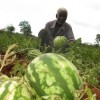
AFRICA: Watermelon Farming in a Drought
On a Sunday evening, a track loaded with 10 tonnes of watermelons leaves Geoffrey Ndung’u’s homestead in Kanyonga village in semi-arid Eastern Kenya. It travels past a village shopping centre were people have formed a queue to receive food aid because of a prolonged drought in the area.
CLIMATE CHANGE-AFRICA: Farming By Phone
Francis Mburu used to keep indigenous cattle in Entasopia village in the semi- arid Kajiado region, 160 kilometres southwest of Nairobi. However, increasing temperatures and frequent droughts in Kenya have made this difficult in recent years.
Q&A: Why Africa Must Remain United in Durban
African leaders have urged the international community to move the United Nations climate change negotiations, which started in Durban, South Africa on Monday, to a different level, and to prioritise adaptation for the continent.
AFRICA: Change the Donors Climate
When donor-funded horticultural projects failed in Kalacha village at the edge of the Chalbi Desert in North Eastern Province, Kenya, the local pastoralist community proposed their own idea, which turned out to be the solution to their problems.
KENYA: “Hold Your Heart” Delayed Justice for Missing Insurgency Victims
Three years after her husband’s disappearance, Phyllis Chamnai Kipkeyo from Mount Elgon, Kenya cannot stop thinking about him. She does not know if he is dead or alive. All she knows is that he was one of the over 300 people said to have disappeared during an insurgency in the region between 2006 and 2008.
SOMALIA: Rape – The Hidden Side of the Famine Crisis
When Aisha Diis* and her five children fled their home in Somalia seeking aid from the famine devastating the region, she could not have known the dangers of the journey, or even fathom that she would be raped along the way.
Re-Greening Africa in the Footsteps of Wangari Maathai
Africa needs to remain focused and continue following the late Professor Wangari Maathai’s initiatives for environmental sustainability in order to address climate change across the continent, environmentalists say.
DADAAB: A Daily Prayer for Complication-Free Births
Dr. Beldina Gikundi's daily prayer is that the handful of malnourished pregnant Somali women who go into labour that day at the Dadaab refugee complex do not have complications, which might require a caesarean section. Because Gikundi knows that Somali cultural beliefs mean that she and her staff at Hagadera Hospital will most likely not be able to immediately operate on the women and save their lives and those of their unborn children.
AFRICA: Slow Progress in Reducing Maternal Mortality
Agnes Kalunda’s doctor feared that because of her slight frame there was a high chance of her developing complications during delivery.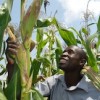
KENYA: Lime Improves Maize Harvest
As the world’s worst food security crisis continues across the Horn of Africa, including in Kenya, some smallholder farmers in the western part of the country are still feeding their families with last year’s abundant harvest.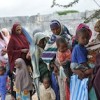
SOMALIA: Massive School Dropouts As Famine Continues
Jamaal Abdi, an eight-year-old boy at the Badbaado camp on the outskirts of Mogadishu, would like to have an education. He has his own dreams for the future.
HORN OF AFRICA: Poor Attention to Forecasts to Blame for Famine in Somalia
The world had an opportunity to save thousands of lives that are being lost in parts of Somalia due to the famine, if only the donor community had paid attention to the early warning systems that predicted it eight months ago.
KENYA: Strategy to Counter Counterfeit Medicine
In Kenya buying medicine from any unregistered pharmacy outlet means that you are running a higher risk of buying either substandard or counterfeit drugs that form 30 percent of all drugs sold in the country.
KENYA: Training Poultry Farmers to Vaccinate Against Disease
Every Tuesday and Friday Teresia Muisyo wakes up at 05.00 to feed her ever- growing flock of over 300 free-range indigenous birds.
KENYA: No Longer Forced to Buy Ineffective Anti-Malarial Drugs
People in Western Kenya are now able to buy effective anti-malarial drugs at low prices thanks to the success of the Global Fund’s subsidy programme, and thanks to honest pharmacists who are reselling the drugs at the recommended low prices.« Previous Page — Next Page »


The Week with IPS

NEXT STOP - SDGs
Tracking global progress towards a sustainable world
Tracking global progress towards a sustainable world
