Languages
Saturday, November 7, 2026



News and Views from the Global South
Energy

ENERGY: The Sun Lights Up the Night in Haiti
There are shortages of lots of things in Haiti: clean water, arable land, trees, living-wage jobs, housing, schools, fuel, reliable sources of electricity and Internet access. But one thing Haiti has in abundance is sunny days.
Oil Sands Riskier than Gulf Spill, Say Investor Groups
As the oil leaking into the Gulf of Mexico destroys habitat and livelihoods, the extraction of oil from Canadian oil sands deposits is having a similar impact on fragile ecosystems and communities deep in the North American interior.PERU: Gas Exports Will Cause Local Shortages, Governors Protest
The Peruvian government refuses to change the contract it signed with Consorcio Camisea to export natural gas to Mexico, as demanded by the governors of the southern provinces of Arequipa, Cuzco, Moquegua, Puno and Tacna, who are worried about shortages of local supplies.BIODIVERSITY: Oil Spill Will Devastate the North Sea Warn Experts
If an oil spill similar to that in the Gulf of Mexico were to happen in the North Sea, it would devastate the Wattenmeer, one of the most fragile and important biodiversity hotspots in northern Europe.MALAYSIA: Gov’t Urged to Explore Alternative Energy Sources
Instead of going nuclear, the Malaysian government should be harnessing alternative energy resources, which are adequate in supply, says the country’s anti-nuclear lobby.ECUADOR: New Deadline for Renegotiating Oil Contracts
The government of Ecuador hopes to sign new services contracts with foreign oil firms operating in the country, to replace the 34 contracts currently in effect, by the end of the year.ARGENTINA: Adding More Coal to the Fire
Bucking recommendations to build up renewable energy sources, Argentina is forging ahead with a plan that will increase its dependence on coal, regarded as the most polluting fossil fuel.
BIODIVERSITY: We Can Live Without Oil, But Not Without Flora and Fauna
The policies and deals that contributed to the massive oil spill under way in the Gulf of Mexico are also jeopardising the Earth's vital biological infrastructure, according to the Global Biodiversity Outlook 3, published Monday.Nuclear Power Nearly as Dangerous as Weapons, Critics Say
The quest for nuclear disarmament is likely to fail if governments and corporations continue to promote nuclear technologies as a solution to the world's energy needs, say independent experts.ENVIRONMENT: Small Islands Urge Action at UN Oceans Meet
Faced with rising sea levels, dying coral reefs and decreasing fish stocks, small island developing states (SIDS) are feeling the effects of ocean decline, and they want wealthier countries to do more to ensure the survival of the world’s seas and other waterways.POLITICS: East Timor-Australia Urged to Dialogue Over Gas Fields
The prickly issue of where to pipe and process gas from the Timor Sea between Australia and East Timor must be resolved through open dialogue, say members of civil society in East Timor.
ENVIRONMENT: Oil Spill Gives Urgency to UN Oceans Meet
The disastrous oil spill in the Gulf of Mexico has given increased urgency to the fifth Global Oceans Conference taking place here at the United Nations Educational, Scientific and Cultural Organisation (UNESCO).
U.S.: Offshore Drilling Badly Tarnished by Gulf Oil Leak
As oil seeps into the environmentally and economically critical Gulf of Mexico following an explosion on a rig there two weeks ago, some groups are saying this catastrophe should mark the end of offshore drilling for oil - and be a "clarion call" for moving away from fossil fuels.
Protesters Call Dam Project a “Disaster” for Brazil’s Native Communities
A modest protest gathered outside the Permanent Mission of Brazil in New York on Wednesday to oppose the controversial Belo Monte dam project in Brazil.UN Sets Out Roadmap for Universal Electricity Access
People's access to electricity, especially modern electricity, must increase even as greenhouse gases are reduced, according to a report issued Wednesday by the U.N. Secretary-General's Advisory Group on Energy and Climate Change.
Q&A: Coal, a Silent Killer
Fatal accidents at coalmines, like the recent tragedies in China and the United States, cause great public alarm. But U.S. physician Alan Lockwood warns that many more deaths are caused by the pollution that comes from the use of coal as an energy source.ENERGY: Germans Want Nuclear Plants Phased Out
After tens of thousands of people turned out to protest against any extension of life to existing nuclear power plants, it seems clear that Germans continue to be emphatically opposed to nuclear energy.North Africa Finally Sees the Light
Europe's appetite for renewable energy and a shifting tide in domestic energy policies could turn North Africa into major exporter of solar power by the end of the decade.ENERGY: Eskom Loan “Will Help” South Africa’s Poor Neighbours
The 3.75 billion dollar World Bank loan for a new coal-fired power station in South Africa is essential for economic growth in neighbouring low income countries, according to Dr Mohamed Abdelrahman, energy advisor for the New Partnership for Africa's Development (NEPAD), a programme of the African Union.Civil Society Calls on World Bank to Reform its Energy Lending
Against the backdrop of the World Bank and International Monetary Fund's spring meetings this weekend, numerous groups have chimed in on the need for and direction of a new World Bank energy strategy.RIGHTS-AUSTRALIA: Plan For Nuclear Waste Dump Faces Backlash
Aboriginal landowners in Australia’s far north are battling government plans to construct this country’s long-term nuclear waste storage facility on their land.« Previous Page — Next Page »





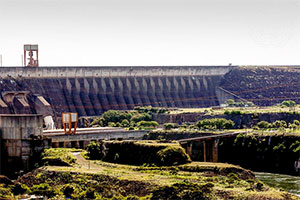 UN Power Plant, Paraguay. Credit: UN Photo/Evan Schneider
Energy has posed a great challenge for economies around the world. As global energy consumption skyrockets throughout the years, so does the need for sustainable solutions. The Sustainable Development Goals are essential in providing people with access to safe, affordable, and sustainable energy sources that minimize harm on the planet. Progress towards these goals opens the door for an advancement in modernization for communities on a global level and allows for a potential mitigation of tensions between nations.
The UN’s Summit of the Future in 2024 offered new initiatives that are being taken to achieve these goals, including a decreased reliance on fossil fuels, a switch to renewable energy sources, and improved climate financing.
IPS is well positioned to provide relevant, insightful, and compelling analysis of recent updates and measures being taken around the world to achieve a cleaner future.

The Week with IPS

NEXT STOP - SDGs
Tracking global progress towards a sustainable world
Tracking global progress towards a sustainable world
