Languages
Saturday, November 7, 2026



News and Views from the Global South
Energy

NIGERIA: New Law to Promote Locals in Oil Industry
"This bill seeks to address the compelling need for us as a nation to have indigenous participation in the industry." With these words, Nigeria’s acting President, Goodluck Jonathan, signed the Nigerian Oil and Gas Industry Content Development Bill into law.EU Defends Food as Fuel
The European Union's anti-poverty chief has refused to concede that his promotion of biofuels has helped exacerbate global hunger.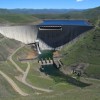
WATER-LESOTHO: Getting Community Consultation Right
The Lesotho Highlands Water Project will move into its second phase in 2010. The first phase has been praised as a shining example of transboundary water sharing in Africa, but community dissatisfaction may mean a rough ride for its extension.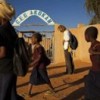
NIGER: Lack of Data on Causes of Death Buffers French Company
French state-owned company Areva continues to deny any wrongdoing after findings that populated areas in Niger remain contaminated with high levels of radio-activity. The company seems to be escaping censure partly because of lack of data on cancer-related causes of death among Nigeriens working at or living near the uranium mines.Crunch Time for Ecuador’s Biological Treasure Trove
These are decisive days for the Yasuní National Park, one of the world's most biodiverse areas, because of the danger that its wealth of underground oil poses to this unique and fragile ecosystem in Ecuador's Amazon jungle region.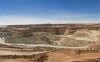
ENVIRONMENT-NIGER: French State-Owned Company “Poisoning” Poor
Recent research by Greenpeace suggests that French state-owned company Areva’s public claims of decontamination of populated areas near uranium mines in Niger are false. High radio-activity persists in towns and rural areas near the mines, affecting some 80,000 people.SOUTH AFRICA: Coal Plant Won’t Promote Development, Say Groups
As the World Bank approved a controversial three-billion-dollar loan for a coal-fired power plant in South Africa Thursday, both the details and the broader impacts of the loan continue to be criticised by community and environmental groups.ECUADOR: Environmental Inspection in Yasuni Park
Representatives of Ecuador's ombudsman's office and environmental groups are visiting the Yasuni National Park on Saturday, home to some of the world's last indigenous people still living in voluntary isolation, in order to verify reports of illegal activity by oil companies.
ENVIRONMENT-ZIMBABWE: Future Generations Will ‘Inherit Only the Wind’
The plumes of smoke rising above the dense working class suburbs of Bulawayo are a sign of the environmental impact of Zimbabwe's electricity crisis.U.S.: Obama Approves New Coastal Oil Drilling
U.S. President Barack Obama announced on Wednesday his administration's plan to expand the areas off the U.S. coast which will be eligible for oil and natural gas drilling, as environmental groups condemned the plan as damaging to the oceans and coastal ecosystems.U.S.: Big Energy Firms Blocking Solar Power in South
As citizens, businesses and non-profit organisations seek to transition to cleaner power sources like solar and wind, some big energy firms whose business models rely on polluting sources are standing in the way.ENERGY: Bank-Funded Coal Plant Tests Green Agenda
Decision-makers around the world are in a period of transition when it comes to the future of supplying energy. Even if everyone agrees that a low carbon future is the inevitable solution, there is nothing close to consensus regarding which path to take.CLIMATE CHANGE: A Year On, Little Change in Political Climate
This time last year, United States federal legislation on climate change was starting to take shape, seemingly more pressing matters were taking up the bulk of U.S. policymakers' time, and a major climate conference was looming at the end of the year.IRAN: New Budget May Add to Uncertainties, Political Strains
Iran's 347-billion-dollar budget for the 2010-11 fiscal year, finally approved by the Guardian Council in Tehran Tuesday - just days before its scheduled implementation on the Iranian New Year Mar. 21 - appears likely to add to the tensions and uncertainty that have bedeviled the country since the disputed June 2009 elections.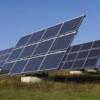
ENERGY-LATIN AMERICA: Moving Towards Renewables
Argentina is building its first solar energy park in the northwestern province of San Juan. The project calls for the manufacture of photovoltaic panels to supply the rest of the country and the other member countries of the Southern Common Market (Mercosur).CLIMATE CHANGE: In Canada, No News is Bad News
Canada's climate researchers are being muzzled, their funding slashed, research stations closed, findings ignored and advice on the critical issue of the century unsought by Prime Minister Stephen Harper's government, according to a 40-page report by a coalition of 60 non-governmental organisations.RIGHTS-GUATEMALA: ‘Our Lives Are Cut Short at a Stroke’
"This is a time of great tension because we know that at any moment, when we least expect it, our lives can be cut short at a stroke," Tito Gálvez, a leader in the Resistance Front for the Defence of Natural Resources and Rights of the Guatemalan Peoples (FRENA), told IPS.
MEXICO: Scientists Reinvent the Corn Tortilla
The process of making corn tortillas - the filling, age-old traditional food throughout much of Mexico and Central America - pollutes huge volumes of water and consumes a great deal of energy.ENERGY: Coal-Fired Power on the Way Out?
The past two years have witnessed the emergence of a powerful movement opposing the construction of new coal-fired power plants in the United States.
ENERGY-SOUTHERN AFRICA: Small Is Beautiful, Say Independent Power Producers
Independent power producers argue that small hydroelectric plants have a key role to play in avoiding an energy shortfall in the Southern African region.ARGENTINA-UK: Oil Plans Spark Tension Over Malvinas/Falklands
The imminent arrival of a British oil exploration rig in the South Atlantic ocean has recharged tensions between Argentina and Britain over the Malvinas/Falkland Islands.« Previous Page — Next Page »





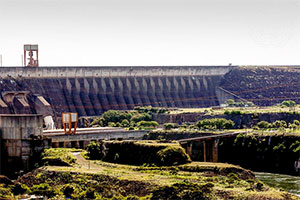 UN Power Plant, Paraguay. Credit: UN Photo/Evan Schneider
Energy has posed a great challenge for economies around the world. As global energy consumption skyrockets throughout the years, so does the need for sustainable solutions. The Sustainable Development Goals are essential in providing people with access to safe, affordable, and sustainable energy sources that minimize harm on the planet. Progress towards these goals opens the door for an advancement in modernization for communities on a global level and allows for a potential mitigation of tensions between nations.
The UN’s Summit of the Future in 2024 offered new initiatives that are being taken to achieve these goals, including a decreased reliance on fossil fuels, a switch to renewable energy sources, and improved climate financing.
IPS is well positioned to provide relevant, insightful, and compelling analysis of recent updates and measures being taken around the world to achieve a cleaner future.

The Week with IPS

NEXT STOP - SDGs
Tracking global progress towards a sustainable world
Tracking global progress towards a sustainable world
