Languages
Sunday, November 8, 2026



News and Views from the Global South
Energy
ENVIRONMENT-CANADA: Kyoto So Close…Yet So Far Away
Canada will be hard-pressed to meet its Kyoto targets to reduce greenhouse gas emissions, even as scientists warn that the risks of climate change are more serious than previously thought.POLITICS: Terror War Diverting Attention from Roots of Insecurity
The Bush administration's "war on terrorism" has diverted the world's attention from the deeper roots of global insecurity, according to the latest edition of Worldwatch Institute's annual 'State of the World' report, which calls poverty, disease and environmental decline the "true axis of evil".POLITICS-SUDAN: A Final Peace Accord Within Grasp
Sudan ended 2004 on a high note, with government and rebel representatives signing a permanent ceasefire and an accord that maps out the implementation of several peace protocols already concluded.ENERGY-GABON: Calls for Fair Division of a Diminishing Pie
An oil rich nation, where a minority is accused of benefiting disproportionately from mineral wealth...Clashes between police and the inhabitants of oil-producing areas that result in deaths...A scene from Nigeria? No - Ndolou, in south-western Gabon.ECONOMY-MAURITIUS: Officials Try to Sweeten a Sugar Price Reduction
Mauritius is bracing itself for upheaval in the national sugar industry, this as a 37 percent drop in the price of sugar exports looms. The price decrease, expected at the beginning of next year, will result from reduced trade preferences under the Sugar Protocol that was signed with the European Union (EU) in 1974.ENERGY-WEST AFRICA: Togo and Benin Make Electricity Provision a Joint Endeavour
News that an agreement has been signed to supply power to electricity-starved parts of northern Togo and Benin has been welcomed by residents of these areas.U.S.: States Steam Ahead on Climate Change
The signs are subtle, but ominous. The spring thaw arrives in much of the United States about two weeks earlier than it did 50 years ago. Exotic tropical birds are nesting in Florida, and butterflies on the west coast are fleeing north to escape the heat.RIGHTS-SUDAN: Arms Trade Said to Underpin Violence in Darfur
As the Kenyan capital prepares to host a two-day meeting of the United Nations Security Council this week, reports about the situation in Darfur, western Sudan, are piling up on the desks of bureaucrats and journalists.U.S. ELECTION: Africa Expects a "Business as Usual" Approach From Bush
While the American presidential contest was nail-biting, there appears to be little suspense amongst analysts about what George W. Bush’s re-election as head of state means for Africa.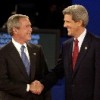
U.S. ELECTION: Africa Barely on the Candidates’ Radars
With U.S. voters anxiously contemplating the body count arising from the United States' deployment in Iraq - as well as the associated threat of terrorism - it was probably to be expected that Africa would get little "face time" in the presidential election.ENERGY-NIGER: From Wood to Coal in an Effort to Stop Deforestation
The competition between energy and environmental needs in Niger has taken centre stage of late, with authorities seeking to promote the use of coal in a bid to halt deforestation in the North African country.ECONOMY-NIGERIA: Rebel Leader – Voice for the Masses, or Skilled Opportunist?
"The Nigerian government cannot protect all the oil pipelines in the Niger delta. If somebody says that they can protect all the pipelines that criss-cross the Niger delta, the person is a liar or maybe he does not know...the area," says Alhaji Mujahid Dokubu-Asari, leader of the rebel Niger Delta People’s Volunteer Force.OIL: Signals to Unlock U.S Reserves Fail to Ease Prices
Statements from the George W. Bush administration that it may heed repeated calls to release oil from its strategic stockpiles have failed to halt climbing prices.
POLITICS: Soldiers of Fortune Likely to Roam Africa for Some Time
Debate about the role played by mercenaries in Africa has been revived in recent months, following the arrest and subsequent sentencing of 68 men accused of plotting to overthrow Teodoro Obiang Nguema: president of the tiny, oil-rich state of Equatorial Guinea.ECONOMY-BENIN: Unemployment Inflames Debate on Illegal Fuel Sales
Government’s attempt to control the illegal sale of petroleum products in Benin is meeting with failure due to widespread unemployment in the country. The products, which include gasoline and diesel, are often smuggled in from neighboring Nigeria.ECONOMY-NIGERIA: The Fires That Burn Too Brightly
At a beach on Akassa Island in Nigeria's southern Niger Delta region, Robert Cole tries to protect the eggs of turtles that come ashore to breed. But, it's not predators or people who collect the eggs that concern Cole: he's worried about gas flares burning around the beach.ECONOMY-NIGERIA: Refineries That Aren’t Worth the Name
It has been dubbed the "paradox of plenty". Although Nigeria is the sixth-largest oil producer in the world, fuel shortages have become a common feature of life in the West African country over the past two decades.ENERGY-CAMEROON: Flicking the Switch on Growth
Mention the word "electricity" to a Cameroonian, and the chances are that they’ll laugh ruefully. For several years now, power cuts have been an everyday fact of life in this West African country – crippling businesses, and eating into economic growth.LABOUR-NIGERIA: Oil Industry Crisis Worsening
Indigenous oil workers in Nigeria are angry with multinational oil companies operating in the country’s Niger Delta region over the influx of foreign oil workers mainly from the United States and Europe.ENERGY-RWANDA: No Relief in Sight for Victims of Power Cuts
In recent months, Rwanda has experienced long, daily power cuts because of electricity rationing. This began after two of the country’s hydroelectric plants, Ntaruka and Mukunga, which are responsible for providing half of Rwanda’s power, experienced drops in yield.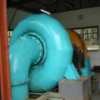
ENERGY-DRC: Power Under Uncertain Circumstances
In recent years, eastern Democratic Republic of Congo (DRC) has become a byword for violence and human rights abuse. Now, inhabitants of Butembo in the North Kivu province are seeking renown for something else: entrepreneurial initiative.« Previous Page — Next Page »





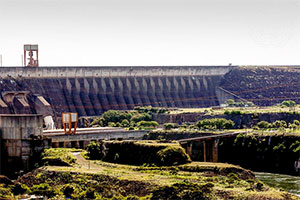 UN Power Plant, Paraguay. Credit: UN Photo/Evan Schneider
Energy has posed a great challenge for economies around the world. As global energy consumption skyrockets throughout the years, so does the need for sustainable solutions. The Sustainable Development Goals are essential in providing people with access to safe, affordable, and sustainable energy sources that minimize harm on the planet. Progress towards these goals opens the door for an advancement in modernization for communities on a global level and allows for a potential mitigation of tensions between nations.
The UN’s Summit of the Future in 2024 offered new initiatives that are being taken to achieve these goals, including a decreased reliance on fossil fuels, a switch to renewable energy sources, and improved climate financing.
IPS is well positioned to provide relevant, insightful, and compelling analysis of recent updates and measures being taken around the world to achieve a cleaner future.

The Week with IPS

NEXT STOP - SDGs
Tracking global progress towards a sustainable world
Tracking global progress towards a sustainable world
