Languages
Friday, November 13, 2026



News and Views from the Global South
Health
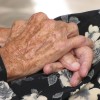
Governments Slow to Respond to Elder Abuse
Although instances of elder abuse are widespread around the world, many government responses have been inadequate.
Climate-Proofing Agriculture Must Take Centre Stage in African Policy
After over a year of extreme weather changes across the world, causing destruction to homes and lives, 2015-16 El Niño has now come to an end.
Seeds for Supper as Drought Intensifies in South Madagascar
Havasoa Philomene did not have any maize when the harvesting season kicked off at the end of May since like many in the Greater South of Madagascar, she had already boiled and eaten all her seeds due to the ongoing drought.
AIDS Meeting Was Bold but Disappointing, Organisations Say
Though the High Level Meeting on Ending AIDS ended with the adoption of bold and life saving targets, many organisations have expressed their disappointment in its outcomes.
Gender & Disability
Women with disabilities face triple discrimination the world over on the basis of disability, gender and poverty. They are the most marginalised of all population groups including men with disabilities. The negative stereotyping of women with disabilities puts them at greater physical risk as they are exposed to neglect, emotional abuse, domestic violence and rape.
Antibiotic Resistance Requires Global Response Similar to AIDS, Climate Change
Addressing antibiotic resistance will require a global political response similar to the way the world has reacted to climate change or HIV / AIDS, Sweden’s Minister of Public Health Gabriel Wikstrom, told IPS recently.
Youth Leaders Push for More Progressive Action to End HIV AIDS
Young people are disproportionately affected by HIV, yet their concerns about sexual education, and discrimination of key populations were ignored at the UN General Assembly High Level Meeting on ending AIDS.Politics of Numbers
The Pakistan Economic Survey 2015-16 reminds us of our ticking population bomb. We are told that today the country`s population stands at 195.4 million 3.7m more than it was the previous year. We have regressed.
A Triple Threat in the Fight Against AIDS
The exclusion of key regions, contexts and actors must be addressed in order to successfully and significantly reduce HIV and AIDS by 2020, many have noted during the High Level Meeting on Ending AIDS this week.
Students Journey: A Step Closer to the SDGs in Rural India
As the seventh largest economy in the world by nominal GDP, India has fared better than many. Through a mix of interventions from the public and private sector, India’s economy has promoted growth and welfare. However, in spite of these developments, the challenge of hunger and malnutrition remain.
New Protocol Aims to Cut Trillion-Dollar Food Waste Bill
Four years ago, 27-year-old Tsering Dorji of western Bhutan’s Satsam village took to organic vegetable farming. Since then, thanks to composted manure and organic pesticide, the soil health of his farm has improved, and the yield has increased manifold.Reproductive Violence
Two things happened in Islamabad on the same day recently, one pertaining to the Council of Islamic Ideology and the other to Pemra, the electronic media regulator. CII sanctioned `lightly beating` of wives and Pemra banned (and then partially withdrew) advertisements of contraceptives.Thailand Shows the Way Towards an HIV-Free World
Thailand has provided the world with an important milestone towards the global goal of ending pediatric AIDS. This week, the World Health Organization is formally declaring that Thailand has officially eliminated new HIV infections among children. Whereas in 2000 an estimated 1000 children in Thailand were newly infected with HIV, in 2015 just – 85 children were infected with the disease. This very low level of new infection among children is comparable to the results achieved in North America and Western Europe, where mother-to-child HIV transmission is extremely rare.
Q&A: Crisis and Climate Change Driving Unprecedented Migration
Climate change is now adding new layers of complexity to the nexus between migration and the environment.
Stepping Up the Fight to End Cholera and Chikungunya Outbreaks in Mandera County, Kenya
Mandera’s double whammy, the concurrent outbreaks of cholera and chikungunya, is bringing to the fore the need for accelerated epidemic preparedness and prevention systems.
UN Planning Airdrops for Besieged Syrians but Prefers Land Convoys
The UN has begun plans to deliver aid to besieged Syrian towns by air but says there are a number of obstacles in the way and that delivery by land remains its preferred choice.
LGBT Communities Silenced in HIV Reduction Efforts
Treatment for HIV and AIDS has increased, but key populations including lesbian, gay, bisexual and transgender (LGBT) communities continue to be left behind and even excluded altogether.
Battered by Storms, Sri Lanka Rethinks Food Security
The picture could be straight out of a tourist postcard – a sleepy green mountain with misty clouds floating above the canopy – if not for one fatal flaw: the ugly gash running right through the middle.
Young African Women More Vulnerable to HIV
When Lebogang Brenda Motsumi was 16 years old she fell pregnant, terrified about what her life would look like, she went to a backdoor clinic for an abortion.
Time to Change Expectations: Zero Retribution to Zero Tolerance
The drugging, abduction and violent gang rape of a 16-year-old girl in Rio de Janeiro, Brazil calls us all to turn the tide of sexual violence against women and girls in Brazil and in every country in the world.
Banking on the Milk of Human Kindness
The recent launch of Amaara, New Delhi's first human milk bank, has been greeted with much cheering. The initiative endorses the long-term goal of reducing infant mortality and addresses the critical issue of lack of mothers' milk for physically fragile newborns in India's capital city.« Previous Page — Next Page »


 Bangladesh: Sarid, born one month early, receives specialized newborn care and grows stronger every day. Credit: UNICEF/UNI944397/Mojumder
Since the onset of the 2000s, global life expectancy has seen an overall rise, attributed to significant technological and scientific innovations in healthcare. Due to an increased understanding of different conditions as well as a rise in cooperation among healthcare experts around the world, there have been major strides made in ensuring that as few people die from chronic illnesses as possible. Despite the belief that healthcare is a fundamental human right, people from low- or middle-class backgrounds, marginalized groups, and underdeveloped countries have far more limited access to basic healthcare services.
The COVID-19 pandemic showed how marginalized communities are disproportionately affected by health crises, proving that we have much work to do in ensuring that no one dies of terminal conditions. While the global response to the coronavirus saw significant strides in immunization and vaccine development, the global outbreak of mpox in 2022 and its upsurge in parts of Africa in 2024 must remind us to remain vigilant.
Other major disease outbreaks in recent years have been linked to the destruction of infrastructure during warfare. Notably, in 2024, the Gaza Strip witnessed a return of the poliovirus since its eradication in the region 25 years ago. Israel’s blockade on Gaza has resulted in the collapse of the region’s sewage plants and desalination plants, and also destroyed healthcare capacities. The UN stated that this lack of clean water and sanitation would lead to an outbreak of cholera and other deadly infectious diseases. The 2026 OCHA Humanitarian Situation Report confirmed that the over two years of conflict in Gaza has produced a catastrophic health emergency, with millions remaining dependent on relief aid amid tight restrictions and no functioning public health system.
IPS is committed to providing full and comprehensive coverage on healthcare challenges around the world. IPS seeks to address the multifaceted causes of such challenges, including unprecedented pandemics, conflict-driven disease outbreaks, as well as socioeconomic barriers to equal healthcare access. IPS is also dedicated to reporting on innovations in the healthcare industry.

The Week with IPS

NEXT STOP - SDGs
Tracking global progress towards a sustainable world
Tracking global progress towards a sustainable world
