Languages
Saturday, November 21, 2026



News and Views from the Global South
Health
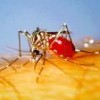
HEALTH-PARAGUAY: Dengue Alert
As health authorities in Paraguay brace themselves to face another possible outbreak of dengue fever, critics are becoming more outspoken about the limited effectiveness of campaigns to prevent the disease, which affected over 28,000 people and caused 17 deaths in 2007.DEVELOPMENT: South Asia Exports Sanitation Successes
Practical solutions to the global sanitation crisis will require greater knowledge-sharing among developing nations, and also even more support for those efforts by multilateral institutions like the World Bank and United Nations, experts say.
HAITI/DOMINICAN REPUBLIC: Tensions Grow Over Poultry Ban
In a display of national sovereignty, Haiti is continuing an embargo against the importation of all poultry products from the Dominican Republic, prompting some Dominicans to boycott border markets in northwest Dajabon province.HEALTH-ARGENTINA: Fighting Mental Illness with Companionship
An innovative mental health plan developed in a town in the Argentine province of La Pampa has reduced to a minimum relapses among patients discharged from hospital, while at the same time providing new and valued employment for jobless people living on state subsidies.RIGHTS: Ignoring Girls' Welfare Carries High Price
Investing in young women and girls in developing regions must be a top priority for governments, multilateral agencies and the private sector, say the authors of a report released here this week.EL SALVADOR: “Life Is Worth More than Gold” Say Anti-Mining Activists
Peasant farmers from the northern Salvadoran province of Cabañas fear that mining operations planned for the region will consume 30,000 litres of water a day, drawn from the same sources that currently provide local residents with water only once a week.HEALTH-SRI LANKA: Stick to Generic Names or Face Jail Doctors Told
Sri Lankan doctors and patients’ rights groups have rarely seen eye-to-eye on the global debate over costly branded drugs against cheap generics, but they are coming together against a new rule that requires doctors to use only generic names on their prescriptions - or face jail.HEALTH: Rural Zimbabwe Fertile Ground for HIV/AIDS
They left the country in search of jobs to better their lives, but village elders in rural Tsholotsho, say young men who left home to fend for their families are losing their lives at alarming rates to HIV/AIDS related ailments.
Q&A: ‘Half Our Job Is Done If We Have The Imams On Our Side’
At 31, Dr Donya Aziz, was the youngest legislator to join the previous Pakistan Muslim League (Q) government. Busy running for the February elections, Aziz wants to get back into the assembly and resume the work she had to leave off when President Pervez Musharraf clamped emergency rule on Nov. 3, 2007 and dissolved the house.GHANA: Pollution Forcing Farmers Into Illegal Mining?
Environmental groups have for several years accused mining companies in Ghana of destroying the environment. In a strange twist of events, it now seems that farmers have turned to illegal mining as a result of the devastation of the pollution caused by mining activities.POLITICS-US: Bush Signs Vets Bill, Won't Ban Permanent Bases
President George W. Bush signed a 696-billion-dollar Pentagon spending bill immediately before his State of the Union address Monday night, which funds all Defence Department programmes not directly tied to the wars in Iraq and Afghanistan, expands health care for injured veterans and gives U.S. soldiers a pay raise.HEALTH: U.S. AIDS Plan Still Falling Short, Groups Say
Health worker shortages in sub-Saharan Africa and a disproportionate HIV/AIDS burden on women in the region necessitate an increase in funding for the President's Emergency Plan for AIDS Relief (PEPFAR) prior to a congressional vote next week, human rights groups and advocates say.CLIMATE-MOZAMBIQUE: Once Again Flooding Brings Risk of Disease
Once again Mozambicans are assessing the damage left in the wake of devastating rains and burst river banks along the floodplains of the Zambezi, Búzi, Púnguè and Save Rivers. Nobody is sure how many people have perished in the most recent floods, but the final death toll could be well over one hundred.
MIDEAST: Faeces Change the Face of Gaza
A stream of dark and putrid sludge snakes through Gaza’s streets. It is a noxious mix of human and animal waste. The stench is overwhelming. The occasional passer-by vomits.
HEALTH-CHILE: Government Finances Mapuche Medical Service
A conventional hospital and a Mapuche medical centre, run by traditional healers who examine urine and prescribe infusions, coexist at the Intercultural Health Complex in the southern Chilean region of Araucanía.
ENVIRONMENT-MEXICO: Science Can Show the Way to Cleaner Mining
In 2010 the Mexican mining company Peñoles could be using a unique, more environmentally-friendly method for extracting gold and silver from ore - but convincing the company to consider the new approach was not easy.
HEALTH-US: Abortion Rights Groups Say Legal Fights Loom
The 35th anniversary of Roe v. Wade - the U.S. Supreme Court ruling that gave women the right to abortion - is being observed this week amid concerns over threats to erode or eliminate a woman's reproductive rights.HEALTH-PAKISTAN: National Alert Over Bird Flu Deaths
Although genetic sequencing tests conducted by the World Health Organisation (WHO) of samples from a man who died of H5N1 avian influenza do not confirm human-to-human transmission, authorities in this region, bordering Afghanistan, are taking no chances.ENVIRONMENT-NIGERIA: As E-Waste Dump, Lagos Imperils People
Nigeria’s commercial capital is arguably one of the largest dumps for obsolete electronic items otherwise called e-wastes.HEALTH-INDIA: Bird Flu Virus Outpaces Culling in West Bengal
When nine out West Bengal state’s 19 districts were declared on Wednesday to be in the grip of a bird flu outbreak, it belied Chief Minister Buddhadeb Battacharya’s assertions, earlier in the week, that the spread of the deadly H5N1 virus was well under control.HEALTH: After Successful U.S. Suits, Nigeria Takes on Big Tobacco
Cigarette packs sold in Nigeria carry a health warning: ‘‘The Federal Ministry of Health warns that cigarette smokers are liable to die young.’’ But, says the government, this warning has not stopped many Nigerian youngsters from smoking.« Previous Page — Next Page »


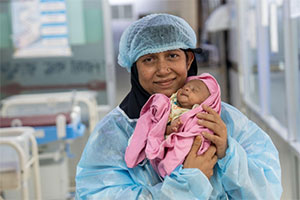 Bangladesh: Sarid, born one month early, receives specialized newborn care and grows stronger every day. Credit: UNICEF/UNI944397/Mojumder
Since the onset of the 2000s, global life expectancy has seen an overall rise, attributed to significant technological and scientific innovations in healthcare. Due to an increased understanding of different conditions as well as a rise in cooperation among healthcare experts around the world, there have been major strides made in ensuring that as few people die from chronic illnesses as possible. Despite the belief that healthcare is a fundamental human right, people from low- or middle-class backgrounds, marginalized groups, and underdeveloped countries have far more limited access to basic healthcare services.
The COVID-19 pandemic showed how marginalized communities are disproportionately affected by health crises, proving that we have much work to do in ensuring that no one dies of terminal conditions. While the global response to the coronavirus saw significant strides in immunization and vaccine development, the global outbreak of mpox in 2022 and its upsurge in parts of Africa in 2024 must remind us to remain vigilant.
Other major disease outbreaks in recent years have been linked to the destruction of infrastructure during warfare. Notably, in 2024, the Gaza Strip witnessed a return of the poliovirus since its eradication in the region 25 years ago. Israel’s blockade on Gaza has resulted in the collapse of the region’s sewage plants and desalination plants, and also destroyed healthcare capacities. The UN stated that this lack of clean water and sanitation would lead to an outbreak of cholera and other deadly infectious diseases. The 2026 OCHA Humanitarian Situation Report confirmed that the over two years of conflict in Gaza has produced a catastrophic health emergency, with millions remaining dependent on relief aid amid tight restrictions and no functioning public health system.
IPS is committed to providing full and comprehensive coverage on healthcare challenges around the world. IPS seeks to address the multifaceted causes of such challenges, including unprecedented pandemics, conflict-driven disease outbreaks, as well as socioeconomic barriers to equal healthcare access. IPS is also dedicated to reporting on innovations in the healthcare industry.

The Week with IPS

NEXT STOP - SDGs
Tracking global progress towards a sustainable world
Tracking global progress towards a sustainable world
