Languages
Friday, October 23, 2026



News and Views from the Global South
Trade & Investment

Stepping Up to Meet Low-Income Countries’ Pandemic Recovery Needs
Low-income countries have been hard hit by the pandemic. Their large financing needs are only likely to grow as they deal with the crisis and its economic aftermath.
Why is the UK Government Turning off the Tap During a Global Pandemic?
The UK government’s decision to reduce its Official Development Assistance (ODA) budget from 0.7% of gross national income (GNI) to 0.5% -- a cut of around £4 billion this year -- was confirmed last week by a majority of 35 votes in a House of Commons vote.
Caribbean aims to Turn Foul-smelling, Enviro Problem Sargassum Seaweed into High-Value Products
 A regular visitor to the islands of the Caribbean has become a dreaded nuisance over the past ten years. The sargassum seaweed that typically washes ashore now arrives each year in overwhelming, extraordinary amounts for reasons that are not entirely clear.
Pacific Islands Making the Move to Electronic Data Collection
Between 2010 and 2020, many Pacific Islands and Territories have updated their traditional data collection processes, embracing new technologies. The island nations Kiribati and Vanuatu, among others, successfully switched to computer-assisted personal interviewing (CAPI), a new data management system and a survey monitoring dashboard. The innovations implemented with support from the Pacific Community helped to weather the impact of the pandemic on census activities and to become fit for the purpose of tracking the Sustainable Development Goals (SDGs).
Weaponizing Science in Global Food Policy
In July, the United Nations will convene “Science Days”, a high-profile event in preparation for the UN Food Systems Summit later this year. Over the course of two days, the world will be treated to a parade of Zoom sessions aimed at “highlighting the centrality of science, technology and innovation for food systems transformation.”
Three Million in Three Years: Jamaica’s Tree-Planting to Tackle Climate Change
By the time he is finished, Dr. Satyanarayana Parvataneni expects he will be responsible for planting over 200,000 tree seedlings in Jamaica. It is an effort driven by a desire to preserve the planet for the next generation, as well as the one of the largest contributions to date to a national effort to plant three million trees in three years.
Education Cannot Wait for Refugee Children in Crisis, says Yasmine Sherif
With financing, the number of out-of-school refugees could be reduced to zero, Yasmine Sherif, Director of Education Cannot Wait (ECW) says, as the world commemorates World Refugee Day.
To Fund Grand Inga Using Green Hydrogen, Equity and Ethics Matter
Visions of Grand Inga, a proposed massive hydropower plant in the Democratic Republic of Congo (DRC) powering much of Africa, have excited energy experts, investors, and governments for decades. The announcements this week by the Australian company, Fortescue Metals Group, and its chairman, billionaire Andrew Forrest, of their plans to develop Inga for green hydrogen exports brings this vision a little closer to reality.
World Military Spending Rises to a Hefty $2.0 Trillion Despite UN Pleas for Cutbacks
The United Nations-- which is desperately seeking funds to help developing nations battling a staggering array of socio-economic problems, including extreme poverty, hunger, economic inequalities and environmental hazards-- has continued to be one of the strongest advocates of disarmament.
Another False Start in Africa Sold with Green Revolution Myths
Since the Alliance for a Green Revolution in Africa (AGRA) was launched in 2006, yields have barely risen, while rural poverty remains endemic, and would have increased more if not for out-migration.
Only Multilateral Cooperation Can Stop Harmful Tax Competition
US Treasury Secretary Janet Yellen has urged all governments to support a global minimum corporate tax rate of at least 21%. The US is working with other G20 nations to get other countries to end the “thirty-year race to the bottom on corporate tax rates”.
Farming-Specific Loans Help Tanzania’s Smallholders Increase Productivity
Small agricultural loans, disbursed through mobile phones and targeting specific farming activities at different phases of production, have more than doubled food productivity among thousands of smallholder farmers in southern and central parts of Tanzania over the past three years, improving their livelihoods.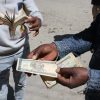
Developing Countries COVID-19 Debt Crisis Could Put SDGs & Climate Agreement Completely Out of Reach
The inability of developing nations to spend on post COVID-19 recovery and resilience has placed the world on the "the verge of a debt crisis". “We face the spectre of a divided world and a lost decade for development,” United Nations Secretary-General António Guterres said on Monday, Mar. 29, during a high-level meeting on financing development post COVID-19.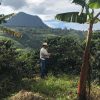
A Look at Colombian Coffee Prices One Year on From the Stabilization Fund
It’s been just over a year since the Colombian government launched its landmark price stabilization fund. With a budget of $64 million, the fund was designed to provide a hedge against low prices by subsidizing farmers during periods when prices dropped below production costs.
Brexit Shows Why Traders Need Reliable Information But Many Are Ahead of the Game
It’s now almost three months since the United Kingdom entered into a new trade agreement with the European Union. During that time, we’ve seen traders struggle to get to grips with the new arrangements. From lorry drivers having their sandwiches confiscated by Dutch customs officers to estimates of additional paperwork costs of $7 billion a year, and pig breeders watching their meat rot on the quayside for want of the correct forms.
COP26 and India’s NDCs
Climate change is one of the most pressing issues that the world is collectively facing at the moment. It is contended that strengthening the global response is pertinent to combat the threat of climate change.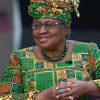
What Africa Expects of New WTO Chief Dr. Ngozi Okonjo-Iweala
When on 15 February the chair of the World Trade Organization’s (WTO’s) General Council, Ambassador David Walker of New Zealand, announced that Dr. Ngozi Okonjo-Iweala would be the new Director-General, the mood among delegates was of relief.
Money Laundering: the Darker Side of the World’s Offshore Financial System
A sign outside a laundry in New York city had a frivolously flippant slogan: “We launder dirty clothes, not dirty money.” And a 2019 movie titled “Laundromat,” based on a book ‘Secrecy World’ by Pulitzer Prize winning author Jake Bernstein, exposed the byzantine world of money laundering.
Pacific Islanders Turn to Local Economies to Drive Post-pandemic Recovery
While Pacific Island countries have, so far, been spared a catastrophic spread of COVID-19, their economies have been devastated by the effects of border closures, internal lockdowns and the demise of international tourism and trade. With the global pandemic far from over, Pacific Islanders are looking to their local and regional economies to drive resilience and recovery.
Caught in Tangled Web of Vaccine Nationalism
“Oh what a tangled web we weave When first we practice to deceive”. Walter Scott’s lines, already over two centuries old, nicely sum up how pursuit of national advantage and private gain have undermined the public interest and the common good.
Renewable Energy Transition Key to Addressing Climate Change Challenge
2021 is going to be critical, not only for curbing the rapidly spreading COVID-19 pandemic, but also for meeting the climate challenge. But as Dr Fatih Birol, Executive Director of the International Energy Agency (IEA) was clear to point out, the climate challenge is essentially an energy challenge. And as large polluters continue to commit to targets of net zero emissions by 2050, the world could -- in theory -- potentially address the climate challenge.« Previous Page — Next Page »





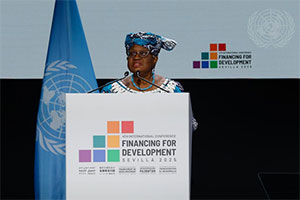 Opening of 4th International Conference on Financing for Development. Credit: UN Photo/Mariscal
International trade and investment are crucial elements of the world economy. While they can be powerful stimulators of development, they can also lead to global imbalances and dynamics of exploitation. In 2025, international trade entered a period of immense disruption, driven in part by a new wave of United States tariffs that reshaped global supply chains and investment flows. The increase in the US tariff rate, the highest since the 1930s, has forced bilateral renegotiations with global trading partners. Furthermore, the debt crisis in developing nations has accelerated while Official Development Assistance (ODA) has substantially dropped 7.3% in 2024.
In the 21st century, advancements in economic diversification in formerly colonized nations have propelled them into more central roles in the global economy. For example, both China and Mexico were able to develop their manufacturing sector and channel this development into booming export flows, thus advancing into the position of emerging economies. Foreign investment also plays an essential role in providing capital for developing countries, although they are oftentimes accompanied by social and environmental exploitation. For example, rising Chinese investments in natural resources in Latin America have often been met with tension as these investment projects fail to properly mitigate environmental risks and protect workers’ rights. In a more multifaceted vein, Sino-African relations have led to infrastructure development in Sub-Saharan Africa while also heightening the region’s economic dependency on China. IPS reports on global news in trade and investment, while shining a light on the nuanced nature of these endeavors.

The Week with IPS

NEXT STOP - SDGs
Tracking global progress towards a sustainable world
Tracking global progress towards a sustainable world
