Languages
Monday, November 9, 2026



News and Views from the Global South
Biodiversity

Q&A: “Sustainability Is Paramount for Latin American Development”
Although the financial, climate, energy and food crises continue to create new challenges, Colombian biologist Margarita Astrálaga believes that now could be the time for Latin America "to advance towards a more equitable and sustainable development."HONDURAS: Miskito Women Fight on Nature’s Side
Seven years ago, in the isolated Honduran region of Mosquitia, on the Caribbean coast, a group of women, mostly single mothers, elderly or widowed, overcame their fear and timidity -- thanks in part to a waste recycling project.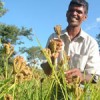
INDIA: Farmers Push Comeback of ‘Cereal of the Poor’
Eshwarappa Banakar has been a farmer most of his adult life, but these days he has also turned banker – banker of seeds, that is, and especially of millet strains.
PARAGUAY: “Pause” Farming Expansion in Gran Chaco, Say Activists
Extensive cattle farming in northwestern Paraguay is the leading cause of deforestation in the Gran Chaco, one of the world's leading regions in biodiversity and South America's second largest forested area, after the Amazon.
Ixtoc Disaster Holds Clues to Evolution of an Oil Spill
On a spring day in the Gulf of Mexico, a pipe issuing from the sea floor ruptured, sending an explosion rippling up to the drilling platform above and spewing oil into the surrounding waters. Experts scrambled to seal off the ever-increasing mass of oil by capping the pipe, clogging it or covering it. Nothing worked.
SOMALIA: Questions Abound about EU’s “Combating” of Piracy
Modern German justice had never handled a case of piracy until Jun 11, when 10 Somali seafarers, including children, were presented at a tribunal in the city port of Hamburg, some 300 km west from Berlin, on charges of robbing cargo in the Indian Ocean.
DEVELOPMENT: Violence Escalates Around India’s Largest Inland Lake
Basudev Dalai, 43, never thought that the fishing village where he has lived all his life and which has been home to generations of fishermen like him would be embroiled in violent clashes over the very source of their livelihood.
U.S. Lawns Getting an Eco-Makeover
A radical, underground movement is growing in the suburbs of the United States.INDIA: Experts Rue Untold Damage to Marine, Coastal Ecosystems
In mid-April this year, MV Malavika, a cargo ship of the Essar Shipping Corporation, a major sea logistics firm in India, leaked an estimated eight tonnes of furnace oil after being struck by a barge near the Gopalpur port on the eastern Indian coast of Orissa.
THAILAND: Scientists Race to Find Microspecies Useful for Medicine
She spends so much time immersed in water that she may soon turn into a mermaid. But Jariya Sakayaroj looks like she does not mind even if she ends up developing scales.Oil Spill Comes at Worst Time for Endangered Bluefin Tuna
With their population at less than 20 percent of what it was four decades ago, bluefin tuna in the western Atlantic need a lot of things to go just right if they are going to survive as a population. Now, just as they are returning to the Gulf of Mexico to spawn, they are likely to find one of their key breeding grounds slicked-over with oil.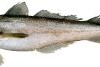
Argentine Hake On the Brink of Collapse
The Argentine hake fisheries of the southern Atlantic Ocean, among the world's leaders in the white fish market, are on the verge of collapse due in part to the indifference of the Argentine people, who are apparently more interested in beef, a staple of their diet.ENVIRONMENT: Australia Stands Firm on Anti-Whaling Move vs. Japan
Deep rift continues between pro and anti-whaling members of the International Whaling Commission (IWC) as Australia Tuesday lodged legal action in the International Court of Justice (ICJ) against Japanese ‘scientific’ whaling, calling for a permanent end to all whaling in the Southern Ocean, an established whale sanctuary and a critical feeding ground for the mighty mammals.Misregulation Aiding Plunder of Fish, Other Resources
The resources society derives from nature have been horribly mismanaged and this will lead to the children of the world's poorest people remaining in poverty, according to Paul Collier. The easiest of these resources to regulate is fish, but we have not even managed to get that right, he said.
ENVIRONMENT: Market-Based Conservation Brewing in Nairobi
The private sector could mobilise billions of dollars to halt the loss of biodiversity, just as it does through the Clean Development Mechanism for mitigating climate change. But the proposal presented at a recent forum in the Kenyan capital has sparked debate among environmentalists.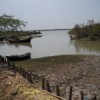
INDIA: Mangroves Face Severe Threat from Human Activities
When a super cyclone devastated the coastal districts of Orissa state in 1999, the government pledged to regenerate 3,000 hectares of mangrove. Or so forest official Chandra Sekhar Kar thought.INDONESIA: Natural Fertiliser from Microbes Boosts Crop Yields
Ten years after an Indonesian agriculturist discovered microbes capable of producing natural fertilisers, farmers attest that they have boosted agricultural production.
Q&A: Diversity the Best Option for Cuban Farmers
Cuban biodiversity scientist Humberto Ríos, one of the six recipients of the 2010 Goldman Environmental Prize, probably won't be able to collect the 150,000 dollars in prize money, though that setback is unlikely to cause him to lose any sleep -- or keep him from singing.
Fears Grow over Oil Spill’s Long-Term Effects on Food Chain
As oil continues gushing from the ocean floor into the Gulf of Mexico, with no sign of stopping until a new well is finished this August, scientists, environmentalists and local residents are beginning to reckon with the reality of a massive annihilation of sea creatures and wildlife.North-South Conservation Divide: “Show Me the Money”
Developing countries rich in plants and animals but poor in financial and technical resources refused to make binding commitments to halt the unraveling of the planet's biological infrastructure at the close of a major meeting Friday at the U.N.'s African headquarters in Nairobi.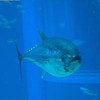
BIODIVERSITY: Imagine a World Without Bluefin Tuna
The bluefin tuna, an "apex predator" fish of the Atlantic Ocean and Mediterranean Sea, is condemned to extinction within two years by the inaction of the industrialised North and international regulatory bodies, predict marine biologists and environmentalists.« Previous Page — Next Page »





The world's diverse flora and fauna are facing urgent threats due to pollution, climate change, commercialization of nature and other forms of harmful human intervention. The widespread loss of biodiversity is worrying not simply because of the disappearance of exotic species which deserve saving, but because tampering with nature's equilibrium means that the loss of one form of life is a threat to another. IPS taps into its own diverse network of correspondents around the world to report on continuing and emerging dangers to nature's riches - and the struggle to protect them.

The Week with IPS

NEXT STOP - SDGs
Tracking global progress towards a sustainable world
Tracking global progress towards a sustainable world
