Languages
Monday, November 9, 2026



News and Views from the Global South
Biodiversity

URUGUAY: Environmental Partners
A wide range of strategies are being followed in the southeastern Uruguayan province of Rocha to counteract the environmental damages of activities like soy cultivation, plantation forestry and tourism. But challenges abound.
Fighting Off Criticism, IWC Looks to Rein in Whaling
It may seem odd that an outright ban on whaling would not be the most effective way to prevent the controversial practice, but that is exactly what the International Whaling Commission is betting on.ENVIRONMENT-SRI LANKA: Saving the Island’s Remaining Coral Reefs
It is Saturday morning and the Pollhena beach, 160 kilometres south of the capital Colombo, is jampacked as usual with local and foreign tourists alike, who are either playing in the sand or bathing in its calm, shallow water, which is gleaming under the sunlight.U.N. Biodiversity Plan Demands Voice for Women
Women provide up to 90 percent of the rural poor's food and produce up to 80 percent of food in most developing countries, and yet they are almost completely ignored when policy decisions are made about agriculture and biodiversity.
Historic Conservation Pact a Decade in the Making
It was here in Yellowknife, on an inlet of the Great Slave Lake, that Stephen Kakfwi, then a minister of wildlife and economic development who would go on to become premier of the Northwest Territories, brought together in 1996 a group that would decide which areas of the forest needed to be protected and which areas could be developed.
How to Spend Environmental Funds
The world's multilateral credit institutions have often faced the criticism that they cause more problems than they prevent. As the challenges increase, such as those posed by climate change, the debate is shifting to environmental financing.U.N. Body Urges Caution on Synthetic Bacteria, Geoengineering
Scientists announced the creation of first self-replicating synthetic life form last Friday, and a few hours later, a United Nations science advisory body meeting here urged countries to take a strong precautionary approach to avoid release of such entities into the environment.
BIODIVERSITY: Watching Over the Future
Her husband died last year, but "he will be forever a guardian of biodiversity."
BIODIVERSITY: Saving the Planet Can Be Fun
Saving the planet from environmental catastrophe is undoubtedly very important, but one of the reasons many people are not doing their bit could be that being green does not seem much fun.Seeds of Hope Take Root in Kenya
Countries have paid too little attention to the importance of biodiversity, and as result, species and ecosystems are in sharp decline and the public does not understand the concept.
BIODIVERSITY: Not Just About Tigers and Pandas
When people talk about biodiversity loss, discussion often centres on the tragedy of animals like the tiger and the panda being in danger of extinction.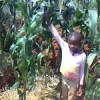
Agrobiodiversity Key to Adaptation
Mechanisation, increased use of fertilisers, and the planting of hybrid seeds have underpinned huge increases in the world's agricultural output over the past 40 years.
BIODIVERSITY: ‘Culture Integral to Agriculture’
Biodiversity in agriculture is about culture. Traditional knowledge and culture are as important as research and investment, say farmers, researchers and academics gathered in Rome for the International Day for Biodiversity on Saturday.MALAYSIA: Encroaching Forest, Oil Palm Plantations Alarm Villagers
A increasing number of natives in Sarawak state in north Borneo are alarmed at encroaching forest and oil palm plantations, which are taking over their native customary land and destroying their traditional lifestyles and biodiversity.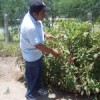
Can Amaranth Fix Mexico’s Dual Dietary Disasters?
Supporters of amaranth have been trying for decades to bring this millennia-old grain back from oblivion. Known for its high nutritional content, it is now being promoted as a way to help modern-day Mexico confront two of its dietary ills: malnutrition and obesity.
ARGENTINA: Two Centuries of Environmental Destruction
In the 1830s, the sheer abundance and diversity of plants and animals in Argentina -- whether on land or in the water -- astounded British naturalist Charles Darwin during his famed tours of South America.Loggers, Activists Reach Deal on Canada’s Vast Northwoods
The decades-long war in Canada's northwoods appears to be over. Environmental groups and Canadian logging companies linked arms Tuesday morning and agreed to work together to sustainably manage and protect 720,000 square kilometres of Canada's boreal forest - an area twice the size of Germany.
BULGARIA: Blue Danube Meanders Into Road Building
The European Union Danube Strategy (DS), unfolding this year, is proving to be a litmus test for the viability of the concept of ‘green growth’ in Eastern Europe.
Guatemalan Wildlife at the Mercy of Traffickers
The shortage of resources for law enforcement and high demand from the wealthy countries of the North have left the field wide open in Guatemala for trafficking of wild animals, many of which are endangered, warn experts and environmentalists.
San Fight Land Grab in Namibian Park
Pensioner Makena Makanga slowly savours a piece of manketti fruit unaware that the tree it came from will soon be chopped down and mulched along with the rest of her forest to make way for a massive agribusiness project.
Ecosystem in Peril after Gulf Oil Spill
With engineers giving a best-case scenario of "weeks" before the catastrophic oil leak in the Gulf of Mexico is sealed, some scientists are warning that the region's ecosystem could face major long-term damage.« Previous Page — Next Page »





The world's diverse flora and fauna are facing urgent threats due to pollution, climate change, commercialization of nature and other forms of harmful human intervention. The widespread loss of biodiversity is worrying not simply because of the disappearance of exotic species which deserve saving, but because tampering with nature's equilibrium means that the loss of one form of life is a threat to another. IPS taps into its own diverse network of correspondents around the world to report on continuing and emerging dangers to nature's riches - and the struggle to protect them.

The Week with IPS

NEXT STOP - SDGs
Tracking global progress towards a sustainable world
Tracking global progress towards a sustainable world
