
Thursday, November 19, 2026



News and Views from the Global South
Climate Change

DEVELOPMENT: Yemen to Lead South in U.N. Negotiations
The republic of Yemen, categorised by the United Nations as one of the world's "least developed countries" (LDCs), will lead the largest single coalition of developing nations this year: the 130-member Group of 77 (G77).CLIMATE CHANGE: After Copenhagen, Back to Basics for BASIC Bloc
As environment ministers from Brazil, South Africa, India and China (BASIC) prepared to meet in the Indian capital on Sunday to draw up a post-Copenhagen strategy, there were great expectations on the role they could play in pushing a consensus on how the world should go about dealing with climate change.
CHILE: Water a Matter of National Security
In its proposed constitutional reform, the Chilean government recognises that the availability of freshwater is a matter of national security. Environmentalists applaud the initiative, but some business groups are worried it will hurt their bottom line.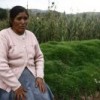
PERU: Rural Wisdom Against Climate Change
"The toads have disappeared from the countryside because of climate change, and now there is nothing to control the insects. Now we have to use chemicals to fight pests, and that is killing the soil," says worried Peruvian farmer Julián Pilco.CLIMATE CHANGE: Polluters Dragging EU Back
Barely a month after world leaders gathering in Copenhagen reached a weak accord on climate change, the European Union's top polluters are fighting a fresh battle to dissuade policy-makers from taking more robust action.CLIMATE CHANGE: Small Islands Await Haitian-Type Disaster
The devastation caused by the earthquake in Haiti last week has brought into sharp focus the threat of another natural disaster waiting to happen: a sea-level rise that could obliterate the world's small island states, triggering fears of mass migration.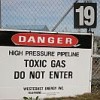
CANADA: Hunt for Oil Patch Bomber Takes New Twist
Looking increasingly desperate after a 15-month-long hunt for a saboteur who has blown up six natural gas installations in northern Canada, police arrested an outspoken oil industry critic and then set him free a day later without pressing charges.EUROPE: Shadow Falls Over New Leaders
Allegations of racism and financial impropriety have spiced up an otherwise lacklustre two-week ritual in which nominees to the European Union's executive arm are quizzed by the EU's only directly elected institution.INDIA/PAKISTAN: Reduced Himalayan Snowfall Could Spark Water War
The declining snow cover and receding glaciers in the Himalayan state of Jammu and Kashmir could trigger renewed hostilities between India and Pakistan, neighbouring states in the South Asian region that are at odds on a host of issues, experts warn.
CLIMATE CHANGE: Wanted – Methane-Free Livestock
At first glance, the Riswick farm is just another modern agricultural facility: in the middle of broad cultivated fields stand recently built barns, similar to so many other farms across Europe.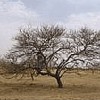
MALI: Small Farmers in the Carbon Market
Mohamed Abd Khibé is a caretaker at the acacia nursery in Dialoubé village, part of a project to sequester carbon in trees while simultaneously improving farmers' livelihoods.RIGHTS: U.N. Condemns Land Grabs in Native Territories
Millions of people around the world who belong to indigenous communities continue to face discrimination and abuse at the hands of authorities and private business concerns, says a new U.N. report released here Thursday.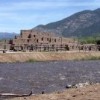
U.S.: Community in Crisis Looks to its Agricultural Roots
Renowned for its historic Native American pueblo, cultural ties to Spain, bohemian artists, and world-class ski resort, Taos is also one of the many communities in the U.S. facing food insecurity.INDIA: Protests Overshadow Communist State’s Chemical Hub Plans
An ambitious plan to establish a chemical industry complex in an ecologically fragile coastal zone of India’s eastern state, West Bengal, has snowballed into a debate, with the ruling communists facing resistance from environmental groups and political rivals over the project.BIODIVERSITY: A Tipping Point on Species Loss?
Humanity is destroying the network of living things that comprise our life support system. While this sawing-through-the-branch-we're-perched-on is largely unintentional, world leaders can't say they didn't know what's going on: 123 countries promised to take urgent action in 2003 but have done little to stem the rising tide of extinctions in what's known as the extinction or biodiversity crisis.ENVIRONMENT: Seeking a Consumer Culture Revolution
The last 50 years have seen an unprecedented and unsustainable spike in consumption, driven by a culture of consumerism that has emerged over that period, says a report released Tuesday by the Worldwatch Institute.BIODIVERSITY: ‘Pious Words Won’t Save Endangered Species’
Less than a month after the world's heads of governments failed to sign an international treaty to address climate change at Copenhagen, they are back at making pious speeches, this time in favour of protecting biodiversity, endangered by global warming and other causes.
Q&A: ”Copenhagen Was Great for Citizen Mobilisation”
"It is important that we all come together, the Green Party, NGOs and citizens, on major issues such as pollution in big cities or deforestation," says Remus Cernea, the new executive president of the Romanian Green Party. "And we have to use all means, from public protests and working with the media to judicial action and party politics, in order to achieve our goals."
NIGERIA: Lake Communities Left High and Dry
The fittest are fleeing the shores of Lake Chad: Adamu Modu, a young fisherman, is joining a stream of able-bodied men heading south to find work in the southern part of the country.URUGUAY: Coming Together to Tackle Climate Change
Fighting the front line battle against global warming, with the participation of all sectors of society, is the cornerstone of a United Nations Development Programme (UNDP) pilot project in Uruguay that is drawing attention from the rest of the world.
CLIMATE CHANGE: Watch the Birdies
Ornithologists say that climate change is having a profound effect on bird behaviour and suggest that this phenomenon can act as an early warning system to the dangers posed to Earth.« Previous Page — Next Page »


As unsustainable human consumption and production systems are driving changes in average temperatures and weather patterns, "abnormal" is increasingly becoming the norm. So far, a lack of financing has been standing in the way of a comprehensive global plan for climate adaptation, and a global financial crisis has contributed to an increasing reliance on public-private partnerships. Our Climate Change page provides you with the latest news about international and local efforts to address what's frequently been called "the challenge of our time", the forces behind the climate change and the impact it has on the world's most vulnerable populations. Along the way, we bring you stories on growing citizen awareness, new scientific data, and emerging climate policies towards sustainable development.

The Week with IPS

Tracking global progress towards a sustainable world

