
Wednesday, November 11, 2026



News and Views from the Global South
Climate Change

‘The First City Completely Devastated by Climate Change’ Tries to Rebuild after Cyclone Idai
The city of Dondo, about 30 kilometres from Beira, central Mozambique, didn’t escape the strong winds of Cyclone Idai. It is estimated that more than 17,000 families were displaced and more than a dozen schools were destroyed in the city.
Rising Inequalities in Asia-Pacific have become a Major Obstacle to Accelerating Progress
2019 will be a defining year for the 2030 Agenda; and the regional forums will pave the way for our first stocktaking on the SDGs in the General Assembly in September.
The Campaign Against Greta is an Index of the Loss of Values
Since the powerful march of hundreds of thousands of students in 1,000 towns against climate change, an unexpected campaign of delegitimation, ”demystification” and demonisation has started against Greta Thunberg, the Swedish teenager who started the movement. After searching the media, social media and websites, this campaign can be divided into four different groups.
Cyclone Idai: A Time to Reassess Disaster Management
It was one of the worst tropical cyclones hit Southern Africa in recent times. Cyclone Idai, which has been characterised by heavy rains and flooding including mudslides in some parts of Mozambique, Zimbabwe, and Malawi, has left more than 750 dead, with thousands marooned in remote rural areas, whilst others are still unaccounted for. More than 1,5 million people are affected by the cyclone in the region.
Anguilla’s Fishers Share their First-Hand Knowledge About Climate Change and its Impact
Fishers in Anguilla saw posted on Youtube this week a video they helped produce that depicts the impacts of climate change on their industry. Titled “Anguilla’s Fishing Dilemma”, the four-and-a-half minute video highlights some of the main challenges Anguilla’s 92 licensed fishers face in earning a living.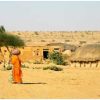
Changing Weather Will Affect Living Standards of Half of India’s Population
The India Meteorological Department (IMD) on January 16 declared that 2018 was the sixth- warmest year in the last 117 years or since 1901, when recording started. Pointing towards changing weather and climate parameters, it also noted that the last monsoon rainfall was the sixth-lowest since 1901.
Q&A: Guyana’s Roadmap to Become a Green State
In 2008, the then president of Guyana, Bharrat Jagdeo, established within the Ministry of the Presidency the Office of Climate Change. Guyana became the first country in the region to do so. A year later, Jagdeo set out a vision to forge a new low carbon economy in the Caribbean nation.
The Destruction of the Environment: An Unfolding Tragedy for Humanity
Late last year the World Wide Fund for Nature released their Living Planet Report for 2018. WWF’s estimates were stark: populations of mammals, birds, fish, reptiles, and amphibians have, on average, declined by 60 percent between 1970 and 2014.
The System, Youth and Democracy
If we ever needed proof of how the political system has become self-referential and unable to update itself, the latest student march in more than 1,000 towns is a very good example.
9 of the 10 Worst Global Risks are Linked to Water
Every year, the World Economic Forum asks some 1,000 decision-makers from the public sector, business, academia and civil society across the globe to assess the risks facing the world over the decade to come.
Climate Change Also Affects Mental Health in Mexico
Minerva Montes lost her home on Holbox Island in 2005 when Hurricane Wilma hit the Yucatan Peninsula in southeastern Mexico. Rebuilding her home was quicker and easier than overcoming the psychological aftermath of the catastrophe.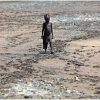
Climate Change: a Threat to Agriculture & UN’s Goal to Eradicate Hunger
The United Nations has vowed to eradicate extreme hunger and malnutrition on a self-imposed deadline of 2030. But it is facing a harsh realty where human-induced climate change – including flash floods, droughts, heatwaves, typhoons and landslides-- is increasingly threatening agriculture, which also provides livelihoods for over 40 per cent of the global population.
Q&A: Caribbean Losing Momentum on Climate Change and Concerted Action is Needed
In 2015, the Caribbean was “the region that could” on the climate change scene. Countries rallied under the ‘1.5 to Stay Alive’ banner, in the face of an existential threat. The now former Sustainable Development Minister of Saint Lucia Dr. James Fletcher emerged as a climate change champion at the time. But now, three years on, the scientist is giving regional climate action a C- in an assessment.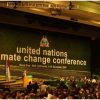
US Survey Finds Lack of Awareness on Global Warming
The U.N.’s World Water day is fast approaching as the state of the world’s consumable water supply remains dismal. Billions of people face at least the very real risk of scarcity, if they’re not facing scarcity already; and about a third of the world’s groundwater systems are in danger of becoming depleted.
Climate Strike: Hundreds of Thousands Unite for the Planet’s Future
Friday, Mar. 15 saw hundreds of thousands of young people across the world take to the streets to join the climate strike. “We are demonstrating today for our planet and for our future. This is the place where we and those who come after us will live,” Jennifer, a 16-year-old girl from Rome, the Italian capital, who opted to join the protests, told IPS.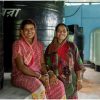
Women Take the Lead Tackling Climate Change in Bangladesh
The stakes are high for women when faced with a warming world – their livelihoods jeopardised by labour markets that tend to put men first, their family responsibilities increasing rapidly in the face of droughts and flooding, and politicians who refuse to acknowledge the challenges they face. The story of those living on the frontline of a harsher climate is simply not being heard.
Scholar Questions ‘Techie’ Approach to Dealing with Climate Change
Trinidad and Tobago unveiled its monitoring, reporting and verification system in mid-March with a flourish, with government authorities underscoring the launch of the Monitoring, Reporting, Verification as a milestone in that country’s efforts to reduce its emissions in line with its commitments under the 2016 Paris agreement.
Becoming Drought Resilient: Why African Farmers Must Consider Drought Tolerant Crops
The latest UN Food and Agriculture Organization’s annual Africa Regional Overview of Food Security and Nutrition Report highlighted drought as one of the key factors contributing to the continuing rise in the number of hungry people in sub-Saharan Africa. And in South Africa, the Government’s Crop Estimates Committee announced that the country would harvest 20 percent less maize in 2019 because of drought conditions.
Helping St. Vincent’s Fishers Maintain an Essential Industry in a Changing Climate
 From an influx of sargassum in near-shore waters, to fish venturing further out to sea to find cooler, more oxygenated water, fishers in St. Vincent and the Grenadines are battling the vagaries of climate change. The country is doing what it can to respond.
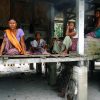
From 2018: When Environmental Crises Hit Homes, Women Suffer the Most
When Mandelena became a mother, she was only 16. During the prolonged dry season in Gwor County, South Sudan, her community saw crops failing and cattle dying. Children stopped going to school because of hunger and women and girls had to walk up to five hours every day to collect water.The Geneva Centre co-organizes a UN Library Event on Leadership in Modern Multilateralism
(Geneva Centre) - Multilateralism must be people-driven. The current rise of populism around the world is inextricably linked to a feeling of being excluded and kept out of decision-making processes broadly shared by ordinary people. These were the main conclusions of a joint event between the Geneva Centre for Human Rights Advancement and Global Dialogue and the UNOG Library entitled Leadership in Modern Multilateralism. The debate was held on 12 March 2019 at the United Nations Office in Geneva in the Library Events Room at Palais Des Nations.« Previous Page — Next Page »





As unsustainable human consumption and production systems are driving changes in average temperatures and weather patterns, "abnormal" is increasingly becoming the norm. So far, a lack of financing has been standing in the way of a comprehensive global plan for climate adaptation, and a global financial crisis has contributed to an increasing reliance on public-private partnerships. Our Climate Change page provides you with the latest news about international and local efforts to address what's frequently been called "the challenge of our time", the forces behind the climate change and the impact it has on the world's most vulnerable populations. Along the way, we bring you stories on growing citizen awareness, new scientific data, and emerging climate policies towards sustainable development.

The Week with IPS

Tracking global progress towards a sustainable world

