
Monday, November 23, 2026



News and Views from the Global South
Environment
Chile in Search of Its Energy Treasure
Chile's efforts to develop its non-conventional energy resources are well under way, but are still insufficient, say experts and environmentalists.ENERGY-CONGO: Extracting Honesty for an Extractive Resource
As 2007 draws to a close, citizens of Congo can look back on another year in which the challenge of introducing greater accountability into the Central African country's opaque and corrupt oil sector loomed large.ENERGY: OPEC Looks to the Future, Its Clients to the Present
The Organisation of Petroleum Exporting Countries (OPEC) is not likely to give in to pressure from consumer nations to curb record high oil prices after this weekend’s meeting of OPEC heads of state and government in Riyadh.ENERGY: Coal Plants Dominate the “Dirty Dozen”
The Dirty Dozen. That is what they are called by independent environmentalists researching the role of power companies responsible for the highest levels of carbon dioxide (CO2) emissions in the United States.BRAZIL: Awash With Oil – Good for Revenues, Bad for Climate Change?
The discovery of a huge oilfield 250 kilometres off the southeastern coast of Brazil will not have an immediate effect on world crude markets, but it opens up future prospects of a new oil frontier in the South Atlantic which may deter the pursuit of clean energy sources, experts say.ENVIRONMENT-THAILAND: Locals Rue Decline of the Bang Pakong River
"The river has changed. It has become narrow and unusually dry in the dry season," says fisherman Pohnpaisarn Wimonrat. "There is no longer enough fish for a small fisherman like me to catch."CHINA: West Must Subsidise GhG Reduction Efforts
As China forges a cleaner development model that befits its size and population it expects the rich countries of the industrialised West to subsidise its efforts to reduce greenhouse-gas (GhG) emissions that cause global warming.
Q&A: ''We Need to Be Living in a De-Carbonised Economy in Four Decades''
With the ‘Synthesis Report’ of the Intergovernmental Panel on Climate Change (IPCC) to be released this weekend, scientist, environmental activist and 2007 ‘Australian of the Year’, Prof. Tim Flannery, warns that action must be taken to avoid the worst of global warming.
ENVIRONMENT: Turning a Blind Eye – O Canada!
In the 1980s, Canada was a bright green engine of change, pushing the global community forward on sustainable development and global warming. But now it is falling behind in almost every environmental aspect.CLIMATE CHANGE: Global Consensus, Lingering Discrepancies
The Intergovernmental Panel on Climate Change (IPCC) has achieved a general consensus with respect to the report presented at its 27th session this week in Spain, but it must still overcome discrepancies raised by some countries.
Q&A: 'Nature Capital Is the Market Too'
If the world political agenda is dictated to by the economy, "we need natural and social capital to be included in the market," says Robert Costanza, director of the Gund Institute for Ecological Economics at the University of Vermont in the U.S.CLIMATE CHANGE-EU: A Little Tax Proposed on a Lot of Emissions
Members of the European Parliament (MEPs) have voted to require airlines to obtain permits to emit greenhouse gases.ENVIRONMENT-BRAZIL: Clean-up Efforts, a Drop in the Ocean
The contrasts are striking, and are plain to visitors from the moment they arrive in Rio. From the plane they can see the sparkling jewel of Guanabara bay, as they land on its largest island, but then they have to drive past the fetid waters of a sluggish channel and a number of "favelas" or shanty towns to get to the city centre and tourist areas.
ENVIRONMENT: Mekong River Commission Remiss – Activists
The campaign to save South-east Asia’s largest waterway from being blocked by a series of massive dams picked up pace this week, with activists accusing a regional river authority of abandoning its mission to protect the Mekong River.ECONOMY-CHINA: Jittery as Fuel Prices Surge
China’s fast-growing economy might appear impervious to rising oil prices but government leaders are jittery as crude surges toward the sensitive 100 US dollar mark.
SOUTH KOREA: 'Toilet Training' for Adults Underway
Move over toddlers, adults need to be potty-trained too.CLIMATE CHANGE: The Worst Can Still Be Avoided
Climate change is not inexorable, if measures are adopted immediately, said scientists and government officials as the 27th session of the Intergovernmental Panel on Climate Change (IPCC) began Monday in Spain.
Q&A: “The U.S. Has Its Own Toilet Problem”
Come Nov. 21, the United Nations will formally launch the "Ínternational Year of Sanitation, 2008", with the primary goal of finding ways to provide toilet facilities to some 2.6 billion people worldwide who lack proper sanitation.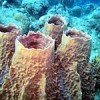
ENVIRONMENT: Between a Reef and a Hard Place
Coral reefs face certain extinction in a few decades unless there are unprecedented reductions in carbon emissions, leading Australian scientists warn.PHILIPPINES: Water Privatisation – Boon or MNC Conspiracy?
Supporters call it a model for the future. But critics say it is a conspiracy by multilateral financial institutions to privatise water supplies and open the floodgates for multinational corporations (MNCs) to reap profits from Asia's poor.
BRAZIL: Biofuel Revolution Reaches Airline Industry
Biokerosene has the potential to take off on the international market faster than other alternative fuels, even though it is among the newest and faces stricter quality standards because it is to be used in aviation.« Previous Page — Next Page »


Through our global network of local writers, we are continuing our award-winning coverage of global and local environmental challenges, with a focus on the people for whom the ecosphere matters in a direct way: rural dwellers who have little means to protect themselves against adverse conditions; communities that need to switch to sustainable development in order to survive; poor women and children, who are the most vulnerable in natural disasters. Sponsored by the United Nations Environment Program (UNEP), the United Nations Development Program (UNDP) and The World Bank (WB), IPS also maintains the award-winning Tierramérica, a specialised information service on environment and development.

The Week with IPS

Tracking global progress towards a sustainable world


