
Tuesday, November 24, 2026



News and Views from the Global South
Environment
BRUNEI: Villagers Content with Life on the Water
On the bank across the river, a two-minute ride on a spear-shaped speedboat, is a three-storey shopping complex. Further on are plush apartment blocks and bungalows with manicured gardens and every conceivable amenity, but most residents of Brunei's ‘water village' are content living just where they are.ENVIRONMENT: The Next Wave in Clean, Green Power
Oregon's spectacular coastline could become the United States' centre for wave energy development in coming years, with plans underway to install power buoys in locations with enough potential to meet the state's future energy needs.SOUTH AMERICA: Debate on Infrastructure Mega-Projects Finally Begins
Rather late and somewhat quietly, civil society organisations have begun to discuss the impact of the Initiative for the Integration of Regional Infrastructure in South America (IIRSA), launched by the region's governments in 2000, which is planning 335 major projects.SOUTH AFRICA: Table Mountain Trails Open Paths for Unemployed
"There are so many stories to tell, about the mountain, the plants and what they mean to my people. Hiking is a wonderful way to teach tourists more about my culture," says 27-year-old Noluthando Mathe.ENVIRONMENT: Serbia Discovers the Value of Rubbish
Serbia is only now beginning to encourage people to recycle waste, after years of assumption that this is the business only of the government.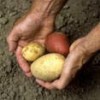
Keep Chiloé Free of Transgenics, Say Activists
The Chilean island is a birthplace of the potato, and ecologists say there are about 200 varieties that must be protected from genetic contamination from transgenic varieties of the tuber.
Bolivia's Challenge Blocks Dams in the Amazon
Environmentalists in La Paz warn that one of the hydroelectric dams that Brazil is planning to build on the Madeira River could flood Bolivian territory. They are calling for a binational agreement.Pacific Island Gives Clues to Tropical Biodiversity
Around 100 new species have been classified in just a month on the island of Espiritu Santo island in the South Pacific, which faces biodiversity devastation as a result of global climate change.Ecobreves – BRAZIL: Cultivating 'Clean' Tomatoes
Brazil can already produce tomatoes without agro-chemical residues, through Tomatec, a production technique that was tested in the planting of 12,000 tomato plants in Sao José do Ubá, near Rio de Janeiro.Ecobreves – CHILE: No' to Road Through Pumalín Park
Ecologists and residents oppose the Chilean government’s decision to build a 60-kilometer road through the center of Pumalín Park nature sanctuary, in the country's 10th region, instead of along its coastal border -- which is the cheaper option and would have lesser environmental impacts.Ecobreves – VENEZUELA: Veto Continues Against DDT
Venezuela rejects use of the insecticide DDT (dichloro-diphenyl-trichloroethane) that was used to fight malaria-carrying mosquitoes a half-century ago, "adopting the criteria that it is toxic, non-biodegradable and accumulates in animal tissue," said Jesús Toro, director of environmental health at the Ministry of Health.Ecobreves – URUGUAY: A Push for Biotech
The Pasteur Institute of Montevideo, which will officially open its doors Dec. 8, is trying to give a boost to biotechnology in the countries of Mercosur (Argentina, Brazil, Paraguay, Uruguay and Venezuela) and Chile, says executive director Guillermo Dighiero.Ecobreves – CARIBBEAN: Fewer Hurricanes Predicted, But Risk Persists
The influence of the climate phenomenon known as El Niño Southern Oscillation (ENSO) makes it less likely that tropical cyclones will form in the North Atlantic, but the risk is not eliminated, warn Cuban meteorologists.ENVIRONMENT-JAPAN: A Cut Off For Free Chopsticks?
China's decision to raise prices on its exports of wooden chopsticks is proving something of a problem for Japanese restaurants and the like, that have long offered them to customers for free.ENVIRONMENT-ARGENTINA: At the Gates of the Polar Year
On the threshold of the International Polar Year, a global scientific meet has been convened in the southern Argentine province of Tierra del Fuego to raise awareness about the Earth's polar regions. The capital, Ushuaia, is getting ready to serve as the main gateway to Antarctica.ENERGY-COLOMBIA: Harvesting Sunshine for Biofuels
The sun generates energy; sugar cane, cassava, African oil palm, beets and potatoes store it; and Colombians are determined to transform the energy concentrated in these crops into biofuels.ENVIRONMENT: Canada Fights Ban on “Bulldozers of the Sea”
Canada is trying to scuttle a proposed United Nations moratorium on destructive bottom trawling of the open ocean that has received surprisingly strong support from the United States, as well as other countries.UAE: Traditional Dubai Water Transport Turns Eco-Friendly
Traditional water taxis, known here as abras, have plied the waters of Dubai Creek for decades, ferrying passengers and carrying cargo from one bank to another. Originally rowboats, the abras now speed along, propelled by diesel engines. But not for long. These symbols of Dubai culture will soon ride the green wave to become more eco-friendly.CHILE: Exposing the Salmon Industry
More than 30 environmental and consumer organisations in six countries that produce farmed salmon, including Chile, have launched a global week of action to raise awareness on abusive practices by the salmon industry.PERU: Indigenous People, Ignored Even by the Statistics
Peruvian President Alan García has promised support for indigenous family farms and microenterprises. But a new report points to a bigger challenge that has not been addressed by the government: millions of indigenous people in the country are increasingly feeling the impact of the mining and oil industries and the lack of basic services that respect their identity.DEVELOPMENT: Homelessness Lingers After Pakistan Quake
The snows have already started falling in the high mountains of Pakistan, two weeks earlier than normal. Another winter, with sub-zero temperatures, will soon engulf the valleys and peaks of the Himalayas and thrust itself upon the thousands of people still homeless following the devastating earthquake that shook northwest Pakistan a year ago Sunday.« Previous Page — Next Page »


Through our global network of local writers, we are continuing our award-winning coverage of global and local environmental challenges, with a focus on the people for whom the ecosphere matters in a direct way: rural dwellers who have little means to protect themselves against adverse conditions; communities that need to switch to sustainable development in order to survive; poor women and children, who are the most vulnerable in natural disasters. Sponsored by the United Nations Environment Program (UNEP), the United Nations Development Program (UNDP) and The World Bank (WB), IPS also maintains the award-winning Tierramérica, a specialised information service on environment and development.

The Week with IPS

Tracking global progress towards a sustainable world


