
Tuesday, November 24, 2026



News and Views from the Global South
Environment
Ecobreves – GUATEMALA: Mangroves in Danger
Five-hundred hectares of mangroves are destroyed each year in Guatemala, which could devastate 40 percent of the country's mangrove ecosystems, says Carlos Albacete, of the organization Trópico Verde (Green Tropics).Ecobreves – BRAZIL: Copaíba as Anti-Inflammatory
A study conducted by University of Sao Paulo's Ribeirao Preto science department has certified the anti-inflammatory properties of the copaíba plant (Copaifera officinalis).ENERGY-CHILE: Betting On Biofuels
Amid the turmoil caused by Argentina's price hikes on its natural gas exports, Chile has announced that it will develop its biofuels industry in order to continue diversifying its energy sources.ENVIRONMENT: Mega-Project Scrapes Bottom of Oil Barrel
Thousands of square kilometres of tar-laden soil and sand underlying Canada's boreal forests are being gobbled up to feed an insatiable appetite for oil in the U.S. and elsewhere.ENVIRONMENT: 100 Million Trees for Venezuela
Venezuela has launched a five-year reforestation project for Orinoco headwaters and tributary rivers in which more than 900 conservation committees and students from more than 100 schools will help plant 100 million trees in a 150,000-hectare area.ENVIRONMENT: Heat Wave Shows Limits of Nuclear Energy
The extreme hot summer in Europe is restricting nuclear energy generation and showing up the limits of nuclear power, leading environmental activists and scientists say.SOUTH AMERICA: Reconciling Mega-Projects and the Environment
Following announcements of several large-scale joint infrastructure projects among South American countries, social organisations have called for common legislation to protect natural resources and the environment.HEALTH-ASIA: Grappling with a Tough Bird Flu Virus
With its 900,000-strong army of public health volunteers and its spending of over 250 million U.S. dollars to help affected poultry farmers, Thailand was held up as a role model for combating the spread of the deadly bird flu. But the avian influenza virus has proved it has many tricks under its wings.BALKANS: Sanctions Can Be Healthy
It was only after a sharp rise in the number of patients with the same symptoms in southern Serbian town Leskovac that doctors began to look for the cause.UZBEKISTAN: Aral Sea Island, a Health Time Bomb
Until about 15 years ago, very little was known about the Vozrozhdeniye Island in the Aral Sea, except that it was a top-secret testing site for Soviet biological weapons.AFGHANISTAN: Peace Offensive Must Follow Military Campaign
The regrouping of hundreds of Taliban in village after village in the trouble-prone southern provinces seems to coincide with the poppy harvest calendar in Afghanistan.ARGENTINA: Industrial Design + Garbage = Jobs
With the support of three industrial designers and an architect, a group of informal garbage collectors in the Argentine capital has come together in a project to design and produce furniture and other objects out of waste materials.BRAZIL: Soy Industry Joins Effort Against Amazon Deforestation
The environmentalist movement, and especially international watchdog Greenpeace, are celebrating a new victory in Brazil: the big companies that process and export soy have decided not to buy soybeans from newly deforested areas in the Amazon jungle.ENVIRONMENT: Burning Energy to Produce It
Everything about the Alberta oil sands development is impossibly big. Monster-sized trucks and giant excavators are carving up hundreds of square kilometres of land, thousands of kilometres of pipelines and roads have been laid, and millions of litres of water are being super-heated to process millions of tonnes of rock and sand.US-MEXICO: Biodiversity Has No Use for Walls
Scientists fear that attempts to seal the border between Mexico and the United States will have a big impact on wildlife and the region's fragile and unique ecology.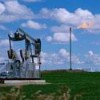
Mega-Project Scrapes the Bottom of the Oil Barrel
Extracting oil from Alberta’s tar sands generates greenhouse gas emissions and destroys forests and wetlands. The activity’s health and social impact is one of Canada’s most pressing environmental issues.
100 Million Trees for Venezuela
Over the next five years, a reforestation project aims to replace a total of some 140,000 hectares of woodlands -- the number of trees logged in Venezuela each year.Ecobreves – CUBA: Mass Disappearance of Bats Skews Ecological Balance
Between 250,000 and half a million bats have disappeared from the Gato Jíbaro cave in the Cuban province of Matanzas, east of Havana, threatening area plant life, warn specialists.Ecobreves – HONDURAS: Green Schools Look to the Future
The Honduran government, backed by the business community, has introduced the “Green Schools” project to recover and preserve the main watersheds near Tegucigalpa.Ecobreves – CHILE:: State-Run Mining Company Faces Investigation
Chile’s Chamber of Deputies voted unanimously to investigate the state-owned National Copper Corporation (Codelco), to determine its responsibilities in polluting the capital’s Carén estuary.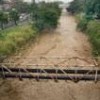
Ecobreves – GUATEMALA: Deforestation Spreading
- In Guatemala, an average of 73,148 hectares of forest disappears each year. The figures come from a Forest Cover Dynamics map created by the state-run National Forestry Institute (INB) and National Protected Areas Council and the private University del Valle.« Previous Page — Next Page »


Through our global network of local writers, we are continuing our award-winning coverage of global and local environmental challenges, with a focus on the people for whom the ecosphere matters in a direct way: rural dwellers who have little means to protect themselves against adverse conditions; communities that need to switch to sustainable development in order to survive; poor women and children, who are the most vulnerable in natural disasters. Sponsored by the United Nations Environment Program (UNEP), the United Nations Development Program (UNDP) and The World Bank (WB), IPS also maintains the award-winning Tierramérica, a specialised information service on environment and development.

The Week with IPS

Tracking global progress towards a sustainable world


