Languages
Saturday, October 10, 2026



News and Views from the Global South
Women's Health

Bank Crash Hits Women Harder
Women in Iceland have been more badly affected by the economic collapse in 2008 than their male counterparts, both in terms of physical and mental health, studies show.
A Shortage of ARVs and a Surplus of Stigma in Côte d’Ivoire
At the Cocody-Anono community health centre, south-east of the Ivorian economic capital of Abidjan, Bertine Bahi* regularly attends awareness sessions on Preventing Mother-to-Child Transmission (PMTCT) for women living with HIV.
OP-ED: Act Now, Act Big to End Sexual Violence in DRC
Imagine an orphanage where over 300 children born out of rape have been abandoned because of the shame and stigma associated with sexual violence. Imagine a town where, in the last year, 11 infants between the ages of six months and one year, and 59 small children from one to three years old, have been raped.
Bangladesh Workers Short of Compensation
Six months after the worst man-made disaster in Bangladesh’s history, safety conditions in garment factories have a chance to improve. But not the lives of survivors or the victims' next of kin.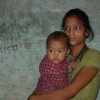
Teen Pregnancy Rooted in Powerlessness
Before we begin, perhaps we can set aside the stereotypes: no, she didn’t "mess herself up by following boys around", and no, it is not in fact her fault that she became pregnant.
Too Many Indians Find It’s Better to Die
When Sarath, 29, a security staffer with a private firm in Kattakada town in India’s southern Kerala state hanged himself at his office premises, his death became a grim reminder of what statistics in the country have been showing for some time now: more and more young Indian men are succumbing to socio-economic pressures and are committing suicide.
Cameroon’s HIV Message Misses Pregnant Teens
With a wide smile Beatrice M.* says that she lives by the motto “life is short and beautiful — live it to the full.” The 20-year-old, HIV-positive mother refuses to be defeated by her new circumstances.
Grief Veils Eid for Syrian Refugees
This week the Islamic world marks one of its holiest holidays, Eid al-Adha - honouring Ibrahim’s commitment to sacrifice his first-born son to Allah. The festival involves large family gatherings, bountiful lunches and generous gift giving.
Egyptian Revolution Brings an IVF Rush
The young couple inspecting Dr Bassem Elhelw’s Cairo Fertility Clinic knew what they wanted from him: a baby boy. They also knew they wanted the child by in vitro fertilisation (IVF).
Survivors Question U.N. Focus on Legalising Sex Work
The age-old debate over how to regulate sex work has led to a rift between the United Nations and anti-trafficking organisations, which are pressuring the world body to rethink its position following two reports that advocate decriminalising all aspects of prostitution.
Mideast and Africa Still Holdouts on Women’s Rights
Gender equality around the world has increased dramatically over the past half-century even though the vast majority of countries continue to restrict women’s economic development in at least one way, the World Bank reports this week.
Q&A: Faith Groups as Partners in Development
The United Nations is considered one of the world's most secular institutions, with 193 member states representing peoples of different faiths and cultures and professing religious and agnostic beliefs.
Cuban Teenagers Overuse Abortion as Birth Control
In nearly all of Latin America, illegal abortion is a serious public health problem. But in Cuba, where abortion is legal, it is being overused by teenagers.Aid Cuts Childbirth Risks in Bangladesh
Seven months pregnant, 24-year-old Shumi Begum has travelled 220 km from her village with her paternal grandmother to consult a specialist on childbirth.
Montevideo Consensus Urges Countries to Change Abortion Laws
Representatives of 38 countries of Latin America and the Caribbean meeting this week in the Uruguayan capital urged governments in the region to consider modifying their laws on abortion, which are among the most restrictive in the world.
Q&A: “We Are Building Sexual Citizenship”
Latin America and the Caribbean should play a central role in the construction of “sexual citizenship” - a concept that covers a series of population-related issues, rights and guarantees that this region helped build since the United Nations first emerged, says Brazilian expert Carmen Barroso.
Ugandan App for Pain-Free Malaria Test
In his 21 years Brian Gitta has had malaria too many times to count. And over the years, because of the numerous times he has had to have his blood drawn to test for the disease, he has developed a fear of needles. It is little wonder then that he and three of his fellow computer science students worked hard to develop a mobile phone app that detects malaria – without the use of needles.
UNFPA to Focus on Women’s Rights at Montevideo Conference
When the U.N. Population Fund (UNFPA) participates in a regional review conference in the Uruguayan capital of Montevideo next week, it will take stock of the successes and failures of a wide range of gender-related issues, including reproductive health, sexual violence, women's rights, maternal mortality, and the spread of HIV/AIDS – all of them relating to Latin America and the Caribbean (LAC).
OP-ED: Latin America Lags on Reproductive Rights
In the last decade, several countries in the Latin America and Caribbean (LAC) region have had the opportunity to experience economic growth and establish redistributive fiscal policies aimed at reducing poverty, reducing inequality and improving the coverage and quality of health, education and social protection services.Therapeutic Abortion Faces Political Resistance in Chile
Nearly a quarter century after Chile’s return to democracy, there is still a lack of political will to legalise therapeutic abortion, analysts say, even though Congress is debating several draft laws on the question.India Moves to Protect the Rented Womb
India’s matinee idol Shah Rukh Khan and his wife Gauri Khan announced recently that they had their third child through surrogacy. Gossip columns said that Gauri Khan, a mother of two teenagers, had tried to conceive for the last couple of years and at last resorted to surrogacy.« Previous Page — Next Page »





Worldwide, women’s health is a serious issue. The result of a wide diversity of factors, most notably insufficient access to education, women’s health issues must be addressed. Without access to proper schooling, many girls grow up without the necessary understanding of reproductive health. Due to this, reproductive issues and sexually transmitted infections plague women in developing countries. Women struggle to battle infections such as HIV. The lack of relevant services, coupled with the lack of women’s rights pertaining to their own health, are some of the serious issues that these stories seek to explain.

The Week with IPS

NEXT STOP - SDGs
Tracking global progress towards a sustainable world
Tracking global progress towards a sustainable world
