Languages
Thursday, October 22, 2026



News and Views from the Global South
Global Governance

Nobel Peace Prize Forum Breaks Down Nuclear Risks and Solutions
The existential threat that nuclear weapons present remains as pertinent as ever, even when they have not been deployed in war for nearly 80 years. As some countries seek out nuclear weapons or to upgrade and modernize their existing warheads, global voices in nuclear politics and disarmament warn of the potential risk of a new nuclear arms race amid the weakening of nuclear treaties that prohibit the proliferation and use of nuclear arms.
Breaking Latin America’s Cycle of Low Growth and Violence
Violent crime and insecurity have a disproportionate impact on Latin America and the Caribbean, with severe consequences for socioeconomic development.
When Ousted Leaders Seek Safe Havens to Escape Jail Time & Hangman’s Noose..
When some of the leaders in the Middle East and Asia are dethroned and driven into exile, the cynics jokingly ask: Is he politically dead or is he dead and buried? The distinction between the two seems significant because the fluctuating political fortunes of some leaders-- and their will to survive against heavy odds-- have always defied Western logic.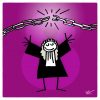
This Year Saw Most of the World Repressed – but in Civil Society there is Hope
Today is International Human Rights Day, Normally, it should be an occasion to celebrate the work of those who strive to create peaceful, just, equal and sustainable societies. But conditions for human rights defenders and their organisations to operate freely are extremely challenging around the world.
No State Is Truly Independent if It Suffers Significant Injury Without Consequence—Palau
After many decades of colonial rule, Palau was the last country to emerge from the UN Trusteeship. Palau celebrated 30 years of independence in October 2024 “and takes seriously the rights and responsibilities of independence. Independence should mean that Palau is free to build its own future and be responsible for the security, safety, and well-being of its own people,” said Gustav N. Aitaro, the Minister of State of the Republic of Palau at the International Court of Justice (ICJ).
Syria: Between “Collective Failure” and “World War III”
Nobody saw it coming. After years of brutal war in Syria, many believed the battle lines had stabilized, leaving only sporadic skirmishes or even the potential for negotiations.
Who are the Ultimate Winners in the World’s Ongoing Military Conflicts?
If and when the devastating military conflicts in Ukraine and Gaza come to an end, the ultimate winners will not be the Russians, the Americans or the Israelis but the world’s arms manufacturers—contemptuously described as “merchants of death”. And so will be the winners in a rash of conflicts and civil wars in Syria, Myanmar, Lebanon, Yemen, Sudan and Afghanistan.
Sudanese Women & Human Rights Defenders Call for Solidarity to Stop the Bloodshed
On 15 April 2023, the outbreak of war between the Sudanese army and the Rapid Support Forces (RSF) drastically altered the face of Sudanese society. The fighting left thousands of dead, wounded, displaced people and refugees.
US Envoy-in-Waiting Blasts UN as Corrupt – & Threatens Funding Cuts
John Bolton a former US ambassador to the United Nations (2005-2006) once infamously declared that if the 39-storeyed UN Secretariat building in New York “lost 10 stories, it wouldn’t make a bit of difference.” That statement triggered a sarcastic response from a New York Times columnist who said Bolton would have done better as an urban planner than a US diplomat --while another newspaper described him as “a human wrecking ball”
U.S.-Backed Israel-Hezbollah Ceasefire Comes Into Effect
A ceasefire between Israel and Hezbollah comes into effect early on Wednesday morning (November 27). It is hoped that this will mark an end to a 13-month-long period of hostilities between the two parties in Lebanon. News of the ceasefire came from United States President Joe Biden, who made a televised announcement on Tuesday afternoon that an agreement had been reached between the Israeli and Lebanese governments. Biden remarked that the ceasefire was expected to be a “permanent cessation of hostilities” from both sides of the conflict.
Now it’s Officially the Israeli-American Genocide in Gaza
As of last week, in the wake of the Nov. 21 issuance by the International Criminal Court (ICC) of arrest warrants for Israeli Prime Minister Benjamin Netanyahu and former IDF Defense chief Yoav Gallant, all eyes turned to Washington to see the what the response of Israel’s main backer would be.
Ensuring Violence-Free Homes for Sri Lankan Women
A woman’s right to live free from violence is upheld by international agreements like the 1979 Convention on the Elimination of All Forms of Discrimination against Women and the 1993 UN Declaration on the Elimination of Violence against Women.
It’s About our Entire Planet: The Pandemic of Violence Against Women
The 16 Days of Activism to end gender-based violence, started with seeking to eliminate violence against women (VAW). This year’s theme highlights the reality that violence against women and girls is of pandemic proportions. The figures are galling.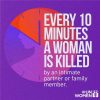
Climate Change in Azerbaijan is Putting Women at Increased Risk of Gender-Based Violence
Climate change exacerbates existing gender inequalities and gender-based violence. At COP29 in Azerbaijan, governments have been urged to prioritize gender-responsive climate policies that address the specific needs of women and girls, and serious concerns have been raised about backtracking on women’s rights during these crucial negotiations on climate action.
Stand Up, Speak Out: A Global Call to Men on the 25th Anniversary of International Day for the Elimination of Violence Against Women
In 1960, the Rafael Trujillo regime in the Dominican Republic assassinated the Mirabal sisters— renowned and respected for their courage and activism against dictatorship. To give their senseless violent death some meaning and to preserve their legacy, in 1999, the United Nations inaugurated November 25—the day of their assassination—as the International Day for the Elimination of Violence Against Women (EVAW).
Breaking Cycle of Violence to Save Mothers & Children: Why Ending Gender-Based Violence is Essential for Global Health
Each year, millions of women and children around the world die from preventable causes. Maternal, newborn, and child health (MNCH) is a shared global priority, yet we often overlook one of its most pressing—and preventable—barriers: violence against women.
Women in Africa are Better Off Today but Gender Equality Remains Out of Reach
Today, women in Africa generally have better access to education, healthcare, and opportunities than ever before. Yet, as they step into the world, a gap between them and their male counterparts persists, a reminder that gender equality remains out of reach.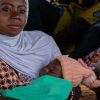
One in Three Women Experiences Gender-based Violence
Every year, the 16 Days of Activism against Gender-Based Violence (GBV) campaign led by UN Women serves as a powerful reminder of the widespread violence women and girls face worldwide.
Western Finance Ruining Economies of the Rest
Western financial policies have been squeezing economies worldwide. After being urged to borrow commercial finance heavily, developing countries now struggle with contractionary Western monetary policies.
Genocide: The Wheels of Justice Must Keep Turning
Last April, we commemorated the 30th anniversary of the genocide against the Tutsi in Rwanda. At the Rwandan capital, Kigali, at United Nations Headquarters, in New York, and across the world, we remembered the immense suffering this genocide caused on so many innocent civilians, who were targeted because of their identity, because of who they were.
UN May Face Another Calamity– Under a Second Trump Presidency
US President Donald Trump’s return to the White House on January 20 next year may be another calamity for the United Nations—particularly if the second term turns out to be a re-run of his first presidency (2017-2021). Trump’s past track record included the US withdrawal from the UN Educational, Scientific and Cultural Organization (UNESCO); threats against member states voting for anti-Israeli resolutions and slashing funds to a 72-year-old UN agency for Palestinian refugees.« Previous Page — Next Page »





The Week with IPS

NEXT STOP - SDGs
Tracking global progress towards a sustainable world
Tracking global progress towards a sustainable world
