Languages
Saturday, October 17, 2026



News and Views from the Global South
Aid

African Farmers Demand Affordable Finance as Governments Fall Short on Funding
Agriculture remains underfunded in Africa as governments struggle to deliver on decades-old promises to dedicate 10% of national income to agriculture.
Investment in Irrigation Systems Is Vital in Preparing for the Next Climate Shock
When the African continent experiences erratic rains, crops fail, leaving millions of people facing hunger.
Humanitarian Needs Grow as Nepal Recovers from Catastrophic Floods
Two weeks after devastating floods struck Nepal, communities across the country are still struggling to meet basic needs as humanitarian efforts continue. The disaster, triggered by a glacial collapse, has become one of Nepal’s deadliest in recent years, leaving widespread destruction in its wake.
UN and Partners Work to Stabilize Health and WASH Systems in Venezuela Following Deadly Earthquakes
Two months after devastating twin earthquakes struck northern and central Venezuela on June 24, the humanitarian community has been on the frontlines, delivering lifesaving aid and focusing efforts on sustainable paths for rehabilitation.
Beyond the Death Penalty Debate: Human Dignity and Justice in Japan
A symposium examining Japan’s death penalty through the lens of human dignity was held on September 5 at Joseph Hall of St. Ignatius Church in Yotsuya, Tokyo.
Nepalese Experts, Victims Contemplate the Future After the Flood
That day, Subash Tamang was mining sand along the banks of the Trishuli River near the Trishuli Hydropower Project, working alongside his wife, brother, sister-in-law, and two other family members. Suddenly, he noticed water gushing down from above the hydropower site. His first thought was that the dam had burst.
WHO Announces New Ebola Vaccine Guidelines for the DRC
While Uganda announced the end of its Ebola outbreak last week, the Democratic Republic of Congo (DRC) continues to battle its deadliest Ebola outbreak to date. As of September 1st, there have been over 6,000 cases, including over 3,000 deaths, with Ituri standing as the most affected province.
UNICEF Report Underscores Rising Rates of Tech-Facilitated Sexual Abuse Targeting Children
A new report from UNICEF finds that approximately 1 in 5 of all children surveyed reported facing tech-facilitated sexual abuse or exploitation in a single year.
Deadly Flash Floods in Nepal Kill Hundreds and Leave Over 4,200 Missing
On the morning of August 26, an unprecedented series of flash floods struck Nepal and the Tibet Autonomous Region of China, causing immense destruction, killing hundreds of civilians and leaving thousands missing. Entire neighborhoods have been buried underwater and beneath mud as the Nepalese government and humanitarian organizations rush to provide emergency assistance.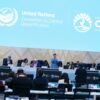
Africa’s Pastoralists Need More Than COP17’s $1.2 billion Rangelands Pledge
When the rains fail across Tanzania’s northern Maasai Steppe, herders drive their cattle farther in search of pasture and water.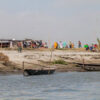
Beyond Resilience: Climate Change and the Rights of Char Dwellers in Bangladesh
Bangladesh’s riverine and coastal chars have always been landscapes of movement, but climate change is making that movement more violent, frequent, and unequal. The shifting islands of the Jamuna, Brahmaputra, Padma, and other rivers now reveal how climate stress multiplies deprivation, weakens citizenship, and forces char dwellers to absorb the costs of a crisis they did little to create.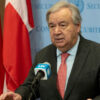
Uganda Announces End of Ebola Outbreak, Yet Regional Risks Remain
Following 42 consecutive days without a new confirmed case, The Africa Centres for Disease Control and Prevention (Africa CDC) and the World Health Organization (WHO) have announced the end of the Ebola outbreak in Uganda.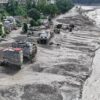
UN Secretary General Expresses Sadness Over Lives Lost in Nepal-Tibet Flash Floods
A massive geophysical disaster along the mountainous Nepal-Tibet border has left at least 160 people dead and hundreds more missing after a glacial collapse triggered devastating flash floods and mudslides on Wednesday.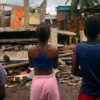
Colombia Declares State of Emergency Following Deadly Earthquake
Over the past week, the humanitarian crisis in Colombia has deteriorated significantly following the Mw 7.4–7.5 earthquake that struck the Chocó department on August 10. With the Colombian government declaring a State of Emergency across 15 departments, the nation continues to struggle with massive civilian casualties, immense damage to critical infrastructure, and the disruption of basic services. The national government and the humanitarian community continue to coordinate lifesaving responses and monitor conditions as they evolve.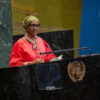
UNAIDS Framework Pushes for the Protection and Integration of HIV Care
As the global HIV response shifts toward sustainable, nationally led, and rights-based care, a new UNAIDS framework published this week argues that integration must start with a country's readiness.
World Humanitarian Day — Protect Aid Workers Against Drones
World Humanitarian Day celebrates humanitarian workers and the life-saving services they provide under the most complex and often dangerous conditions.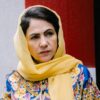
How the Taliban Hunt Women in Afghanistan
FIVE years after the Taliban returned to power, Fawzia Koofi, the former Deputy Speaker of the Afghan Parliament, denounces what she describes as “gender apartheid.”
GAZA: ‘There Are No Standards to Tell You What to Do in Conditions like Gaza’
CIVICUS discusses the state of civic and humanitarian action in Gaza with Ibrahim Arandas, a Palestinian activist and project manager at SPARK Gaza, a civil society organisation that provides humanitarian and psychosocial support.

Nairobi Biodiversity Talks Set the Stage for Key COP17 Decisions
Despite record participation in global biodiversity reporting and planning processes, countries remain off track to meet the world's 2030 biodiversity goals, according to discussions that concluded this month at two key meetings under the Convention on Biological Diversity (CBD).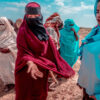
How Global Aid Cuts are Undermining Women-Led Humanitarian Response in Sudan
Women-led and women’s rights organizations (WLOs) in humanitarian settings are collapsing amidst a complicated predicament in which needs are surging and international support is dwindling.
Malawi Bets on Battery Storage to Climate-Proof Its Fragile Power Grid
For years, Malawi's electricity supply has been at the mercy of droughts, floods and cyclones that have repeatedly exposed the vulnerability of a power system heavily dependent on hydropower.« Previous Page — Next Page »





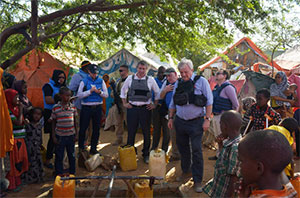 UN Emergency Relief Coordinator Visits Somalia. Credit: UN Photo/Tobin Jones
In recent years, conflicts have broken out across the world with no sign of slowing down or stopping. In times like this, millions of people globally are in dire need of humanitarian aid. Famine, warfare, natural disasters, and economic decline plague a host of nations, including Palestine, Sudan, Chad, Lebanon, and Haiti, to name a few. Humanitarian aid provides millions of people with critical services including healthcare, food, clean drinking water, psychosocial support, housing, and access to education. UN agencies such as the UNDP, UNICEF, the World Food Programme (WFP), UNHCR, UNRWA, and UNEP work with the UN Office for the Coordination of Humanitarian Aid (OCHA) and local organizations to come up with the best possible strategies to support affected communities. At the same time, humanitarian aid and those working on the frontlines are consistently threatened by both actors directly involved in conflict as well as those who are meant to contribute to the international humanitarian regime at large. The near-collapse of United States international aid structures in 2025, including the termination of 83% of USAID’s 6,300 global initiatives, has left millions of people without access to vital humanitarian assistance. 98 million people in 2025, only 65% of people targeted for humanitarian assistance, received the help they needed. In contrast, 123 million people received some form of humanitarian assistance in 2024, and OCHA’s 2026 Global Humanitarian Overview estimates that 239 million people are in need of assistance in 2026. IPS is well-positioned to discuss current initiatives to provide aid and relief through in-depth reporting and opinion content.

The Week with IPS

NEXT STOP - SDGs
Tracking global progress towards a sustainable world
Tracking global progress towards a sustainable world
