Languages
Wednesday, September 16, 2026



News and Views from the Global South
Asia-Pacific

Bangladesh: Election with a Foregone Conclusion
Bangladesh just held an election. But it was far from an exercise in democracy. Sheikh Hasina won her fourth consecutive term, and fifth overall, as prime minister in the general election held on 7 January. The result was never in doubt, with the main opposition party, the Bangladesh National Party (BNP), boycotting the vote over the ruling Awami League’s refusal to let a caretaker government oversee the election. This practice, abolished by the Awami League government in 2011, was, the BNP asserted, the only way to ensure a free and fair vote.
How Afghan Women Connect and Learn in the Face of Taliban Restrictions
The prevalence of social media usage among Afghan women and girls has surged since the Taliban assumed control of the country in August 2021. Faced with restrictions confining them to their homes, many women find solace in the messaging app WhatsApp.
Assessing Public Debt Sustainability with a Long-Term View
When students from poor families in developing countries are offered places at prestigious universities, they are often faced with a tough choice. One option is to accept the offer and create more debt, likely through borrowing from a loan shark, to pay for tuition fees. Another option is to forgo this opportunity, which could be the first in family generations, and start working as low-wage workers.
Cooperative Farming Makes Bangladesh’s Coastal Women Farmers Climate-Resilient
In the past, Salma Begum, 40, lost her crops every year due to natural disasters. She lives with her five-member family in Ashabaria village under Rangabali upazila, a remote coastal island in Patuakhali district. “We did not have enough livelihood options in the coastal area where we live. Cyclones, coastal floods, and tidal surges have been having adverse impacts on agriculture, making it difficult for my wage-laborer husband to find work regularly,” she said.
South Asian Women, Girls Need Responsive Legal System to Gender Violence
Criminal justice systems in South Asia are failing women, despite stark statistics on the prevalence of violence. WHO estimates translate to one in every two women and girls in the region experiencing violence daily.
What’s in Store for Indian Farmers After Cop 28’s Conclusion in Dubai?
Durga Das*, a 59-year-old farmer from the Indian state of Maharashtra, committed suicide last year by ingesting a poisonous substance. He was unable to repay the loan he had taken from the bank for the renovation of his single-story house. This year, his 32-year-old son, Pradeep Das, a father of two children, is equally desperate. The family owns half an acre of cultivated land where they grow cotton. The harvest has been devastated due to intense heat waves, leaving farmers like Dass and his son Pradeep in dire straits. The loan the family had taken is yet to be paid, and the land they had mortgaged in the bank is about to be confiscated. This means no crops, no cultivation, no business, and no food.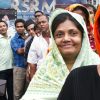
From Bureaucratic Labyrinths to Accessible Civil Registration
Have you ever tried to register a birth, a death or maybe your own marriage? Unfortunately, many of these vital events in Asia and the Pacific remain unregistered often with dire consequences for individuals, families and communities.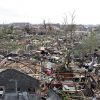
Weathering the Storm: Navigating Climate-Care Nexus in the Philippines
In a coastal community in Tacloban City in Leyte, Philippines, Maria's life was intricately woven with the ebb and flow of the sea. Her days were filled with caring for her two young children and selling fish caught by her husband at the market. Little did she know that winds of change were brewing far beyond the horizon.
Kabul Residents Endure Hours-Long Queues in Severe Water Crisis
According to United Nations statistics, nearly 80 percent of Afghan families lack access to sufficient water for their daily needs. Afghanistan, a landlocked country with limited water resources, is grappling with an exacerbated drought fueled by climate change, affecting the entire region.
EBRD Provides Footing for Youth-led Businesses in Central Asia
The European Bank for Reconstruction and Development (EBRD) is addressing the issue of youth entrepreneurship and employment in Central Asia by launching a seven-year €200 million (US$ 218 million) Youth in Business (YiB) programme.
Rise of the Global South Highlights Minamata Convention on Mercury COP5
As it strives to be the prototype environmental treaty of this era, the Minamata Convention on Mercury continues its razor-like focus on ending all major uses of mercury. Emerging as the force leading the charge is the Global South, particularly the Africa Region, whose proposals led to hard-charging changes addressing dental amalgam, mercury-based skin creams, and fluorescent lights.
Finance at COP28: After the Euphoria, Come Questions Galore
On November 30, the first day of COP28, the much-awaited Loss and Damage Fund—a landmark decision to compensate the world’s most climate-affected and climate-vulnerable people—was declared operational. Announcing the decision, COP28 President Dr Sultan Al Jaber said, ‘the fact that we have been able to achieve such a significant milestone on the first day of this COP is unprecedented. This is historic.”
Sikh Faith Inspires Environmental Stewardship
Dr Jasdev Singh Rai, an accomplished ENT doctor who hails from London, is not just attending COP 28; he is representing an organization that brings a unique perspective to the global stage.
Climate Justice is the Responsibility of the Wealthier Nations, Says Bangladesh Climate Envoy
Wealthier nations must deliver the finances so developing countries can adapt—the time for excuses is over, says Saber Hossain Chowdhury, Bangladesh's Special Envoy for Climate Change in the Prime Minister's Office.
Faith Pavilion Adds Spiritual Dimension to Climate Crisis Resolution
For the first time at COP28, faith has a pavilion alongside science, technology, nations, and philanthropy, allowing religious leaders from all over the world to discuss the potential for using spiritual merits to protect the earth from climate change.
COP28: Climate Migrants’ Rights, Risk-based Labor Polices Under the Spotlight
With COP28 underway, researchers and activists are pointing at the plight of climate migrants. On November 30, a few hours before the COP28 was officially inaugurated, long, serpentine queues could be seen outside Expo 2020, the venue of the COP28. Standing under the blazing sun, besides delegates and media personnel, were hundreds of migrant workers, a majority of whom were from Nepal and the Philippines.
A “Little India” in Little Armenia
Every evening, the smell of Indian food takes over Yerevan's northwestern district of Halabian. Indian workers who left early in the morning are back home.
Taking Charge Against Plastic Pollution in India
Aditi Agarwal, a brilliant computer science engineer and Gold Medalist, once thrived in the tech world, contributing to innovations at Microsoft. However, she felt a calling to address real-world challenges, particularly those related to carbon emissions and plastic pollution. In pursuit of a nobler cause, she joined a company called Go Rewise, a youth-led initiative in India dedicated to recycling PET bottles through a circular economy approach.
People, Planning Behind Sustainable City Management
Successful city planning, which takes place with the involvement of citizens, is the hallmark of the creation of sustainable cities, the International Conference on Demographic Resilience heard.
The Intergenerational Impact of Nuclear Testing in Polynesian States
The language used in the Treaty of the Prohibition of Nuclear Weapons (TPNW) is unambiguous on its focus of the grave humanitarian impact of nuclear weapons. The TPNW also recognizes the influence of the public conscience “in the furthering of the principles of humanity as evidenced by the call for total elimination of nuclear weapons”.
Pacific Leaders Announce Largest Conservation Effort in History
Pacific people live at the nexus of oceans, climate, and food systems, and the interaction of climate and ocean is raising sea temperatures and threatening habitats and resources vital to the region’s sustenance, Palau’s President Surangel Whipps, Jr., said at the launch of an effort to protect and rejuvenate the region's ecosystems and empower communities through to the year 2050—in what is considered to be the biggest single conservation effort in history—Unlocking Blue Pacific Prosperity.« Previous Page — Next Page »


The Week with IPS

NEXT STOP - SDGs
Tracking global progress towards a sustainable world
Tracking global progress towards a sustainable world
