Languages
Monday, August 31, 2026



News and Views from the Global South
Democracy

Proud to be an Ally: Standing with LGBTQ+ Communities Across the World
The events of this year’s PRIDE month are showing the world the power of inclusivity. It is by only insisting on acceptance, and rejecting criminalization, discrimination and stigmatization, that we can ensure a fairer, safer, future for all. We are all invited to be allies.
Venezuela’s Opportunity for Democracy
Venezuela’s 28 July presidential election could offer a genuine chance of democratic transition. Despite an array of challenges, the opposition is coming into the campaign unified behind a single candidate. Many Venezuelans seem prepared to believe that voting could deliver change. But the authoritarian government is digging in its heels. The opposition reasonably fears the election could be suspended or the government could suppress the opposition vote. Large-scale fraud can’t be ruled out.
Will European Momentum Help Generate a Move to Recognize Palestine as a Sovereign State?
Since the eviction of Palestinians from their homeland pursuant to the controversial Balfour declaration of 1917, the quest for regaining Palestinian statehood has continued as a means towards lasting peace and security within and between Israel and Palestine.
Unregulated Autonomous Weapons Systems Pose Risk to Africa
UN Secretary-General António Guterres has called on countries to conclude by 2026 negotiations on a legally binding instrument to prohibit Autonomous Weapons Systems (AWS).
Chad: Dictatorship Continues by Other Means
On 6 May, people went to the polls in Chad, ostensibly to elect a president who’d usher in democratic civilian rule. Ten days later, the Constitutional Council confirmed there’d be no change: the elected president was the leader of the military-backed transitional government supposedly handing over power, Mahamat Idriss Déby.
Why Protection & Participation of Children Must be Elevated at the UN Summit of the Future
The United Nations will hold the Summit of the Future on September 22—23 this year, during its annual General Assembly. Heads of state and government and their representatives will gather at the UN headquarters in New York, to discuss, agree on, and endorse a multilateral, action-oriented “Pact for the Future” intended to “protect and enshrine the rights of future generations”.
Empowering Women Could Boost Fertility, & Economic Growth in Japan and Korea
Women in Japan and Korea face especially tough challenges juggling career and family. Many young women witness their peers encountering promotion delays after marriage and childbirth, dealing with problems splitting housework responsibilities, and having difficulty finding adequate childcare.
Billions will Vote this Year – LGBTIQ+ People Must not be Excluded
This year has been called the ‘super election’ year, with 3.7 billion people potentially going to the polls. This historic political moment is also an opportunity to reflect on what these billions of voter experiences will look like. Who will vote, who can run for office and who might be excluded from the political process?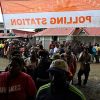
Solomon Islands: A Change More in Style than Substance
There’s change at the top in Solomon Islands – but civil society will be watching closely to see whether that means a government that’s grown hostile will start doing things differently.
From Dorms to Demonstrations
The campus protests that have spread to universities in every part of the United States are not about the war between Israel and Hamas, despite the heated rhetoric around this topic. Most of the students who are protesting know little about the conflict, its history and its ramifications for international politics.
Media Freedom Declining Across Europe, With Implications for Rule of Law
A new report has warned media freedom in the EU is close to “breaking point” in many states amid rising authoritarianism across the continent.
Disinformation in the Super Election Year
The year 2024 seems to be a year of big decisions. The European Parliament elections in June and the US presidential election in November… politics and the media are talking of a showdown between democracy and disinformation. Add the elections in Russia and India to that and almost half of the world’s population will be casting their vote this year.
We Should Aim to be at Peace with Nature, Says David Cooper of UN Convention on Biological Diversity
In a world faced with habitat loss and species extinction, climate change, and pollution, it’s crucial that countries develop their national action plans and create a society that lives in harmony with nature, says David Cooper, Acting Executive Secretary of the UN Convention on Biological Diversity (CBD), in an exclusive interview with IPS.
El Salvador’s Cycles of Violence Through a Teenager’s Eyes
Two years since President Nayib Bukele announced a “war against gangs” in El Salvador, the country has gone through rapid change.
Senegal’s Democracy Passes Crucial Test
The fact that Senegal’s election took place on 24 March was in itself a triumph for civil society. That an opposition candidate, campaigning on an anti-establishment and anti-corruption agenda, emerged from jail to become the continent’s youngest leader offered fresh hope for democracy.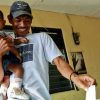
Civil Registration is Shaping World’s Largest Election Year With 76 Nations Going to the Polls
Over four billion people will take to the polls in 2024 as 76 countries are set to hold elections. In Asia, this includes populous countries such as Bangladesh, India, Indonesia, Pakistan, and Russia.
South Asian Network on Human Rights Calls on Bhutan to Free Political Prisoners
South Asians for Human Rights (SAHR), a regional network of human rights defenders, has called on the Government of Bhutan to release the political prisoners it has detained for decades.
World’s Democracies Threatened by Disinformation Generated by Artificial Intelligence
Speaking at the third Summit for Democracy in South Korea last week, US Secretary of State Antony Blinken warned that a malicious "flood" of disinformation is threatening the world's democracies—triggered in part by the rise of artificial intelligence (AI). But AI is also a critical arena in which democracy is being challenged. “So, while we seek to harness the power of AI and other digital technologies for good, some governments are abusing those same technologies to do just the opposite,” he said.
Breaking Down Barriers to Women’s Land Rights Starts in Our Homes
At the opening of the 68th session of the Commission on the Status of Women (CSW) on March 11, UN Secretary-General António Guterres said, “Your gathering this year is focused on how tackling poverty and strengthening institutions and financing with a gender perspective are critical to accelerate gender equality. The reason is simple: globally, poverty has a female face. Women have less access to land, natural resources and financial assets. They suffer the impacts of climate change more than men. And they are more likely to be food insecure. Many women and girls are also facing a war on their fundamental rights at home and in their communities.”
Indigenous Women Fight for Their Future, Their Land, Rights & Self-Determination
Throughout history, Indigenous Women have made remarkable contributions to forwarding the aspirations of their communities for self-determination. Amid the compounded burdens they face as Indigenous Peoples, as women and an oppressed class, let us recognize and celebrate the bravery of Indigenous Women as they strive and inspire with their courage, heritage, leadership and knowledge.
Democracy’s Contested Territory
This year more than half the world’s population has the chance to go to the polls. That might make it look like the most democratic year ever, but the reality is more troubling. Too many of those elections won’t give people a real say and won’t offer any opportunity for change.« Previous Page — Next Page »


The Week with IPS

NEXT STOP - SDGs
Tracking global progress towards a sustainable world
Tracking global progress towards a sustainable world
