Languages
Thursday, November 19, 2026



News and Views from the Global South
Development & Aid
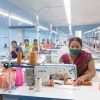
COVID-19 & its Impact on Textile & Garment Supply Chains in Developing Nations
In the first quarter of 2020, the coronavirus pandemic led to a 3% drop in global trade values. COVID-19 could trigger the biggest economic contraction since World War II, affecting all industries from finance to hospitality.
Unsung Heroines: Who Cares for the Carers?
Even before Covid-19, the world was facing a care crisis. The plight of often neglected, under-appreciated, under-protected and poorly equipped ‘frontline’ health personnel working to contain the pandemic has drawn attention to the tip of the care crisis iceberg.
Solar Power Fills Gaps in Underserviced Rural Argentina
Rice farmers in the Argentine province of Entre Rios often look like mechanics. "They're always full of grease, because they haul diesel fuel around all the time, for their water pumps," says local farmer Arturo Deymonnaz. He, however, doesn't have that problem, because he uses solar energy to grow his rice.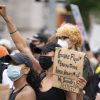
World Protests Show Rising Outrage and Mounting Discontent
After a period of forced silence because of the Covid-19 quarantines, citizens around the world are defying coronavirus restrictions and claiming the streets to fight for real democracy, jobs, living wages, public services, human rights and against corruption, inequality and injustice. We predict an increasing wave of protests all over the world led by different types of people defying the status quo. Unless policies change, clashes in the street are likely to become the new normal.What is lost in the smoke of COVID-19
When countries shuttered their shops, closed their markets, and cordoned off places of gathering to help ward off the coronavirus, they did so out of immediate concern for the health and wellbeing of their citizens.
Falling Clean Energy Costs Create Opportunity to Boost Climate Action in COVID-19 Recovery Packages
As COVID-19 hits the fossil fuel industry, a new report shows that renewable energy is more cost-effective than ever - providing an opportunity to prioritize clean energy in economic recovery packages and bring the world closer to meeting the Paris Agreement goals.
The Sahel – ‘in Every Sense of the Word a Crisis’
The combination of rife insecurity, food insecurity and more than 7.5 million people in need of humanitarian assistance has left the Sahel a region in crisis, with the global coronavirus pandemic expected to exacerbate the situation.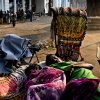
‘Universal Challenges’ Expose Layers of Inequalities
The effects of the COVID-19 pandemic have reminded us that ‘universal challenges’ are experienced differently, based on context. The varying demographics, systems, and administrative structures in each nation have resulted in distinctive experiences and challenges while grappling with the fallout from the crisis.
Eliminating Age Discrimination from Lockdown Curfews
During the Covid-19 pandemic governments around the world have introduced curfews as an exceptional, yet necessary, means of containing the spread of the virus. Yet while most countries have applied their curfews uniformly to all citizens, authorities across several regions have introduced them only for certain groups exclusively because of their age, including for under-18s.
Politics of the Pandemic Pains: WHO is to Blame?
Politics have exacerbated the already severe pains that the raging COVID Pandemic have been inflicting on the global population. The spread of Coronavirus coincided with three major developments in the global arena. First was the end of what Charles Krauthammer, the American neo-conservative guru had called, as the title of his book on that subject suggested, America’s “Unipolar Moment”. This was the period, since the implosion of the Soviet Union in the early 1990s, when the United states was the only pre-dominant superpower that ruled the roost in the global arena. Though China was rising in the meantime, politically, economically and militarily, it was still coy about it, conforming to the Deng Xia0ping counsel to “hide its capabilities and bide its time”.
Global Solidarity & Effective Cooperation in the Face of COVID-19
The COVID-19 pandemic upended almost every aspects of life as we know it. Even those countries that are supposed to have the means to manage the spread and mitigate the effects are struggling.
Economic Ghosts Block Post-Lockdown Recovery
As governments the world over struggle to revive their economies after the debilitating lockdowns they imposed following their failure to undertake adequate precautionary containment measures to curb Covid-19 contagion, neoliberal naysayers are already warning against needed deficit financing for relief and recovery.
We Need to Slow down and Reconnect with Our Ocean for the Future of the Planet
 COVID19 has brought the world to a halt. The devastating impact of the global pandemic on people’s lives and the world’s economy is a jarring and historic turning point for all of us but it is also an opportunity to re-think many of our practices.

2nd World Food Safety Day
Few things are as natural and as necessary as eating food. However, if food producers, food processors, food handlers and consumers do not follow good food safety practices, food can become contaminated and rather than nourishing us and bringing us pleasure it can make us sick or even kill us.
COVID 19 – Conspiracy or Apocalypse? – Part II
As the COVID-19 virus spread rapidly around the globe, so did various theories about what caused the pandemic. According to the standard scientific theory, the virus originated in bats; crossed over to humans, probably via another intermediate host; and then spread rapidly across the globe.
Agroecology. The Challenge of Farming for the Future
The COVID-19 outbreak has brought the world back to the essentials: health and food. Fighting the spread of the virus while ensuring access to food has proven to be a challenge in many countries. The loss of income is reducing families’ ability to feed themselves; movement restrictions and lack of labour for planting and harvesting are a strain on the chain that brings food from field to fork. Hundreds of millions of the most vulnerable people are on the brink of acute hunger, and food insecurity is likely to increase globally.
Water, Climate, Conflict & Migration: Coping with 1 Billion People on the Move by 2050
Do migrants willingly choose to flee their homes, or is migration the only option available? There is no clear, one-size-fits-all explanation for a decision to migrate — a choice that will be made today by many people worldwide, and by an ever-rising number in years to come because of a lack of access to water, climate disasters, a health crisis and other problems.
Post-COVID recovery should lock in ocean sustainability, says Commonwealth Secretary-General
The Commonwealth Secretary-General is urging governments to ensure their countries’ post-COVID economic recoveries are environmentally sustainable and safe for the ocean.
Safeguarding Africa’s Food Security in the Age of COVID-19
Food security in sub-Saharan Africa is under threat. The ability of many Africans to access sufficient, safe and nutritious food to meet their dietary needs has been disrupted by successive natural disasters and epidemics. Cyclones Idai and Kenneth, locust outbreaks in eastern Africa, and droughts in southern and eastern Africa are some examples. The COVID-19 pandemic is just the latest catastrophe to have swollen the ranks of 240 million people going hungry in the region. In some countries, over 70 percent of the population has problems accessing food.
Philippines’ Senior Citizens Vulnerabilities Increase Because of COVID-19 Lockdown
In the Philippines, May has long been a month of joy when farmers harvest their rice crop and celebrate the Pahiyas harvest festival. But this year, the mood was somber. The food production and supply system also affected, thanks to the coronavirus lockdown, and the economy frozen. As a result, millions of Filipinos, especially senior citizens, are now looking at an uncertain future.
The Bible, Donald Trump and Plastic
Another episode of the spectacular show that could be called The Greatest Story Ever Told: The Saga of the Trump Presidency, scripted and acted by Trump himself, took place on 1st of June.« Previous Page — Next Page »


 2026 High-level Political Forum on Sustainable Development. Credit: UN Photo/Eskinder Debebe
In 2015, the United Nations and its Member States adopted the Sustainable Development Goals (SDGs) in an effort to make the world a more sustainable and peaceful place for future generations. Progress on the 17 SDGs has been uneven, and inequality persists across the globe. 10 years after adoption, the 2025 UN SDGs Report revealed that only 35% of the SDG targets are on track, with more than half moving too slowly, and 18% moving backwards from the 2015 baseline. Poverty remains one of the world’s most pressing issues, with hunger, violence, and inequality impeding the opportunities for all people to achieve success. In September 2024, the United Nations Summit of the Future introduced a new goal: to eradicate global poverty by 2030, ensure universal rights to basic services, and increase the overall standard of living in terms of industrialization, economic well-being, citizen health, and literacy. Furthermore, recent shifts in United States foreign aid policy – notably, major budget cuts to USAID and the termination of thousands of development programmes– have severely threatened vital lifelines of financial aid to impoverished communities around the world. Additionally, the United States’ withdrawal from the Paris Climate Agreement has undercut international efforts at sustainable development. With the upcoming 2030 deadline, the UN Secretary-General has called for urgent multilateralism across six priority areas: food systems, energy, digital connectivity, education, jobs and social protection, and climate and biodiversity. IPS sheds light on marginalized communities that struggle on a daily basis to survive and have their stories heard and respected.
Updated by Yilan Batista and Shuli Wong August 2026

The Week with IPS

NEXT STOP - SDGs
Tracking global progress towards a sustainable world
Tracking global progress towards a sustainable world
