Languages
Thursday, November 12, 2026



News and Views from the Global South
Editors' Choice
9 of the 10 Worst Global Risks are Linked to Water
Every year, the World Economic Forum asks some 1,000 decision-makers from the public sector, business, academia and civil society across the globe to assess the risks facing the world over the decade to come.
Did a Backlash Against Trump Trigger Historic Highs for US Women in Politics?
The dramatic increase in women legislators voted into office last November and the historic high of women candidates for the 2020 presidential elections have visibly changed the male-dominated political landscape in the US.
Dismantling Patriarchy Must Begin at Home: A Reflection on Gender Equality
This week, I joined thousands of activists, campaigners, thought-leaders, and change-makers in New York to advocate for women's rights and promote gender equality during the 63rd session of the UN's Commission on the Status of Women (CSW).
Climate Change Also Affects Mental Health in Mexico
Minerva Montes lost her home on Holbox Island in 2005 when Hurricane Wilma hit the Yucatan Peninsula in southeastern Mexico. Rebuilding her home was quicker and easier than overcoming the psychological aftermath of the catastrophe.
Guinea’s Returnee Migrants Harness the Strength of Unity
Elhadj Mohamed Diallo was a prisoner in Libya between October and November 2017, but he was not helpless. Far from his home in Guinea he understood the power of an organised union.
US Survey Finds Lack of Awareness on Global Warming
The U.N.’s World Water day is fast approaching as the state of the world’s consumable water supply remains dismal. Billions of people face at least the very real risk of scarcity, if they’re not facing scarcity already; and about a third of the world’s groundwater systems are in danger of becoming depleted.
Climate Strike: Hundreds of Thousands Unite for the Planet’s Future
Friday, Mar. 15 saw hundreds of thousands of young people across the world take to the streets to join the climate strike. “We are demonstrating today for our planet and for our future. This is the place where we and those who come after us will live,” Jennifer, a 16-year-old girl from Rome, the Italian capital, who opted to join the protests, told IPS.
Women Take the Lead Tackling Climate Change in Bangladesh
The stakes are high for women when faced with a warming world – their livelihoods jeopardised by labour markets that tend to put men first, their family responsibilities increasing rapidly in the face of droughts and flooding, and politicians who refuse to acknowledge the challenges they face. The story of those living on the frontline of a harsher climate is simply not being heard.
Three Takeaways from Disaster Relief in Puerto Rico
Those of us working in disaster relief know what to expect when a hurricane or earthquake strikes with devastating fury. We know that safe water, food, and shelter will be the most immediate needs for survivors. And we have a good idea of the kind of wreckage we’ll see, although we never cease to be humbled and sobered by the tragic sights.
People Affected by Leprosy in Latin America Unite for Their Rights and Their Voice
With the decision to found a regional coalition to promote rights and greater participation in national and international forums and decisions, the First Latin American and Caribbean Assembly of Organisations of People Affected by Hansen's disease, popularly known - and stigmatised - as leprosy, came to an end.
Helping St. Vincent’s Fishers Maintain an Essential Industry in a Changing Climate
 From an influx of sargassum in near-shore waters, to fish venturing further out to sea to find cooler, more oxygenated water, fishers in St. Vincent and the Grenadines are battling the vagaries of climate change. The country is doing what it can to respond.

In Latin America, the Term Leprosy Still Carries a Burden from Biblical Times
Known scientifically as Hansen's disease, leprosy carries a symbolic burden from the past that people affected by the disease and experts from around Latin America are fighting, including the terminology used.
Using Climate-Smart Solutions to Promote Peace in South Sudan
Almost a month to go ahead of the traditional rainy season in Gbudue State, 430 kilometres west of South Sudan’s capital, Juba, smallholder farmers are already tilling their land as they prepare to plant purer, drought-tolerant seeds.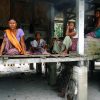
From 2018: When Environmental Crises Hit Homes, Women Suffer the Most
When Mandelena became a mother, she was only 16. During the prolonged dry season in Gwor County, South Sudan, her community saw crops failing and cattle dying. Children stopped going to school because of hunger and women and girls had to walk up to five hours every day to collect water.
People Affected by Leprosy Still Face Stigma in Latin America
The First Latin American and Caribbean Meeting of Organisations of People Affected by Hansen's Disease, more widely known as leprosy, seeks to exorcise stigma and discrimination. The meeting has brought together around a hundred activists in Brazil.
Innovative Sustainable Business: A Three Trillion-Dollar Opportunity that UN Environment Wants People to Develop
In the East African region, communities around the continent’s largest water body, Lake Victoria, regard the water hyacinth as a great menace that clogs the lake and hampers their fishing activities. But in Lagos, Nigeria, some groups of women have learned how to convert the invasive weed into a resource, providing them with the raw material needed to make handicrafts.
Gender Quotas Help Women Parliamentarians to Rise in Numbers
When the Inter Parliamentary Union (IPU), based in Switzerland, released its annual report on the representation of women legislators worldwide, four of the top five countries were from the developing world. Rwanda led the way with 61.3 percent of the seats held by women in its lower or single house of parliament followed by Cuba (53.2 percent), Bolivia (53.1 percent) and Mexico (48.2 percent).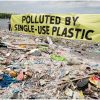
The Rising Trend of Zero Waste Lifestyles
Not too long ago, the term “zero waste” was just one of those boring policy directives or catchphrases thrown around by governments. But in the last few years, ‘going zero waste’ has taken on a new direction as a lifestyle trend of the insta-famous, who are helping to make zero waste a movement that anyone can get involved in.
Access to Water Is a Daily Battle in Poor Neighborhoods in Buenos Aires
"Look at this water. Would you drink it?" asks José Pablo Zubieta, as he shows a glass he has just filled from a faucet, where yellow and brown sediment float, in his home in Villa La Cava, a shantytown on the outskirts of Argentina's capital.
Q&A: Inventor from a Small Fishing Village in Saint Lucia Provides Hope for Water Woes
Karlis Noel spends his days in his lab in the small, picturesque community of Laborie in St. Lucia. The former fisherman’s story might sound like an overnight success, but his present accolades in the field of engineering are the result of years of hard work and an unceasing drive to make life easier for communities in the throes of a water crisis.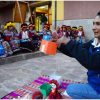
Women as Forerunners of Change: When Financial Inclusion Meets Digital Transformation
Imagine a world where women fully participate in society, and enjoy equal access to resources and opportunities. Most probably, the 2030 Agenda would be nearing its fulfillment and we would be closer to achieving the better planet we wish to build.« Previous Page — Next Page »


The Week with IPS

NEXT STOP - SDGs
Tracking global progress towards a sustainable world
Tracking global progress towards a sustainable world
