Languages
Thursday, September 24, 2026



News and Views from the Global South
Food and Agriculture

“The Heat Is No Longer Distant: A Global Climate Reckoning“
‘As record heat sweeps the world, the climate crisis is no longer a warning for the future, but a reality of the present.’
Connecting the Dots: Quality Seed, Resilient Food Systems and Good Health
It is often said that the quality of seed determines the quality of the produce and, consequently, the sustainability of the entire agricultural value chain, influencing everything from crop yields to nutritional value.
From Seed to Canopy: How a GEF-Funded Smallholder Project is Restoring the Environment, Building Livelihoods
As 52-year-old Alice Onyango walks through her farm in Siaya county, Kenya, you can tell she is proud of her trees, as some tower over her, providing her with shade, while others seem ready to provide her with fruit for the market.
Tea’s Future Depends on Its Farmers
The tea in your cup this morning began its journey in someone else's hands. Hands whose work most of us never think about. Almost certainly, those hands belonged to a smallholder farmer tending a small plot of land, plucking leaves by hand beneath long mornings of mist and rain.
The Iran War Exposes the Fragility of Our Fuel-Dependent Food System
Sharp surges in energy, fertilizer, and food prices triggered by the ongoing conflict in the Persian Gulf strikingly illustrate the deep interconnections between geopolitical conflict, food insecurity, and the fragility of fossil fuel–dependent food systems.
One of the Oldest Agricultural Innovations Needs New Actions
For thousands of years, humans have kept bees. Beekeeping is a key agricultural activity, yet its full potential remains largely unrealized. Beekeeping produces far more than honey and generates far more income than many have chosen to acknowledge.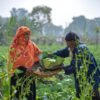
Building Resilient Food Systems in an Age of Disruption
The latest shock to global food systems, triggered by conflict in the Middle East and disruptions around the Strait of Hormuz, has once again exposed a fragile truth: the world’s food systems remain highly vulnerable to external shocks.
Field-Based Research Is a Lifeline for Zimbabwe’s Food Security
Agriculture sustains millions of people in Zimbabwe, serving as a vital source of both food and income. But climate-related pressures affecting land, crops, rainfall patterns, and increasing pest outbreaks are threatening smallholder farmers’ harvests, leaving them food insecure.
Food Systems and Policies Undermining Food Security
Transnational agribusinesses increasingly shape food policies worldwide. Claiming to best address recent food security concerns, they seek to profit more from innovations in food production, processing, and distribution.
Want to Feed the World? Invest in Food Systems
As the global target to eliminate hunger by 2030 is fast slipping out of reach, investing in how the world feeds itself is the only way to ensure progress.
Before the Flood, Jannat Carried Books. After the Flood, She Carried Dirty Dishes
When catastrophic floods swept through the Haor wetlands of Sunamganj in 2022, they destroyed far more than homes and crops. They shattered childhoods.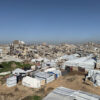
Gaza’s Deepening Health Crisis Leaves Hospitals Overwhelmed
Despite the implementation of a ceasefire between Hamas and Israel last October, Israeli forces continue to launch airstrikes into the Occupied Palestinian Territory. This has resulted in extensive destruction of infrastructure, loss of human life and exacerbating immense health needs amid an increasingly strained health system in Gaza.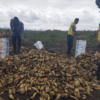
Cleaning Up the Fields: Across Africa and Asia GEF is Helping Farmers Rewrite Their Pesticide Story
For decades, pesticides have been a quiet pillar of Malawi’s agriculture, guarding crops against pests, improving yields, and sustaining millions of livelihoods. But beneath this success story lay a troubling reality: weak regulation, unsafe handling practices, and growing threats to human health and the environment.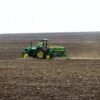
Breaking the Cycle Between Food Production and Environmental Decline
A newly published review in Nature Reviews Earth & Environment has revealed disturbing statistics on the growing environmental threats posed by global food production. The global food system, designed to feed and nourish humanity, is now a major contributor to climate change via greenhouse gas emissions, and the largest driver of freshwater depletion, biodiversity loss, and nutrient pollution.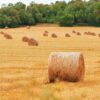
Keep Inputs Moving to Keep Food Affordable
Across Europe, winter wheat is already in the ground. What farmers apply in the coming weeks will determine the size of this year’s harvest. Those decisions are now being made under a sudden surge in costs that did not exist when seeds went in.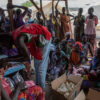
Famine in South Sudan Projected to Worsen Without Humanitarian Intervention
In 2026, the humanitarian situation in South Sudan has taken a considerable turn for the worse, with widespread food shortages, ongoing disruptions to food production systems, and rising rates of malnutrition affecting over half of the population. Compounded by the vast scale of needs and an overwhelming lack of access to basic services, humanitarian experts warn that nationwide levels of hunger are projected to worsen to catastrophic levels if urgent intervention is not secured.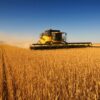
The War in Iran Isn’t Just Raising Food Prices — It’s Revealing Who Really Sets Them
As the United States and Israel’s 2026 attack on Iran remains on pause, most eyes have fixed on oil. Tankers reroute around the Strait of Hormuz, oil benchmarks climb, and insurance costs spike. But while the headlines focus on energy, warning signs are already flashing from the food commodities markets.
From Struggle to Strength: Turning Daily Hustle Into a Force for Survival
In the bustling Chifubu constituency of Ndola, the provincial capital of Zambia’s mineral-rich Copperbelt Province, 31-year-old Victoria Bwalya is usually among the early risers, cleaning and setting up for the day in her restaurant business.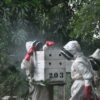
Inside the Funding Model Behind Kenya’s Tana Delta Restoration Project
Lydia Hagodana stands next to a bee yard (apiary) in Golbanti, Tana Delta, where she lives. The air carries a low, steady hum as bees move in and out in a constant stream. She lifts the back of one hive slightly, gauging its weight.
African Institutions in Plan to Stabilise Food, Fuel and Fertiliser Amid Mideast War
Fearing the Middle East war could drive millions into hunger and cripple economies, Africa’s leading institutions are drafting a strategy to mobilise domestic and "innovative" finance and harness national competitiveness to stabilise food, fuel, and fertiliser supplies.
The Grocery Bill Is Calm – The AgriFood System Is Not
The headlines are wrong about food prices — but right to be afraid, very afraid. Walk into a supermarket in Chicago, Berlin, or Mumbai today, and you will not find the shelves stripped bare or the prices dramatically higher than last month. Despite weeks of alarming headlines about commodity markets, food inflation in most major economies has risen only marginally — a tenth or two-tenths of a percentage point between February and March of this year. In the United States, food inflation moved from roughly 2.9 percent to 3.1 percent. In Germany, from 0.8 to 0.9. In India, from 7.8 to 8.0.« Previous Page — Next Page »


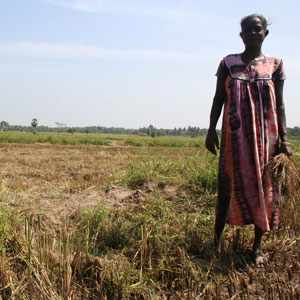
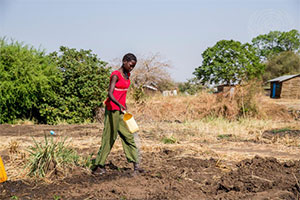 Farming on the Outskirts of Juba. Credit: UN Photo/JC McIlwaine
Promoting human and planetary health is a central focus of the United Nations, as laid out in the 2030 Sustainable Development Goals (SDGs). World hunger and unsustainable farming practices continue to be pressing concerns for the world. According to the 2025 State of Food Security and Nutrition in the World report by the Food and Agriculture Organization (FAO), 673 million people faced hunger in 2024. There are stark regional disparities, with the FAO projecting that 60% of the world population facing hunger will reside in Africa by 2030. Globally, the prevalence of food insecurity has remained consistently higher for women than men.
Sustainable and efficient national food systems are essential in preserving health, education, environmental well-being, peace, economy, and security. However, creating sustainable food systems can be a challenging endeavor, as food production takes a heavy toll on the environment. The agricultural sector accounts for a significant portion of greenhouse gases. Finding safe, sustainable, and ethical strategies to feed the world is crucial in ensuring planetary longevity. A recent initiative from 2023, the EU Regulation on Deforestation-free Products (EUDR), seeks to advocate for sustainable food systems. The main driver of deforestation is the expansion of agricultural land used to produce commodities like cattle, wood, cocoa, coffee, etc. The EUDR is part of the 2020 European Green New Deal and the EU Biodiversity Strategy for 2030 and aims to limit Europe’s consumption of products linked with deforestation by requiring that companies prove that their products are deforestation-free. Despite aiming to achieve major strides in sustainability, policies such as EUDR also raise socioeconomic concerns for targeted countries. Many emerging Latin American economies are impacted by the policy, and have raised the question of how developing countries can grapple with the tensions between economic development and advancing sustainability.
IPS has been at the forefront of providing compelling and insightful stories on communities facing hunger as well as the cost of food production. IPS uses statistics from FAO, the World Food Programme (WFP) and the International Fund for Agricultural Development (IFAD) to bring relevant and hard-hitting facts to readers. This gathering of information and data from such organizations helps bring the best stories from IPS journalists working in the different regions in consultation with experts on the ground.

The Week with IPS

NEXT STOP - SDGs
Tracking global progress towards a sustainable world
Tracking global progress towards a sustainable world