Languages
Friday, November 20, 2026



News and Views from the Global South
Gender
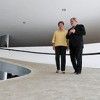
Brazil’s President-Elect Brings Gender to Government
In a move seen as a sign that gender will be important in her government, Brazil's president-elect Dilma Rousseff is preparing a Cabinet that is one-third women.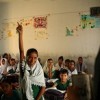
BANGLADESH: School’s In To Drive Poverty Out
Since her admission in January 2009 into Kurmitola government primary school in the Khilkhet district of capital Dhaka, 10- year-old Anju Aktar has never missed a day of class. In fact, Aktar’s mid-term report card shows that she is one of the school’s top students.
RIGHTS-PAKISTAN: Educated, Glamorous and Wearing A Hijab
They are young, educated, urban women who frequent cafes, shop at ritzy fashion outlets, and go to yoga classes whenever they have time off work.Malawi’s Women Pushing for a Place at the Table
No sooner had Mariness Luhanga announced her intention to contest local elections in Mzimba district in northern Malawi, than she was summoned to appear before a village court on allegations of insulting men.
UGANDA: Sexual Crimes Go Unpunished
Thousands of women were raped during Uganda’s war but there have been few government efforts to assist them, especially with psychosocial and counseling services.Congolese Women Refuse Poverty
To see how women's associations in the Democratic Republic of Congo are helping their members improve their livelihoods, just follow the hubbub you can hear from Justine Kakesa's office: the Kikwit 2 market is bursting with merchandise made by women.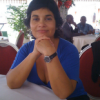
Q&A: Community Radio Stations – Key Players in Expanding Democracy
Chilean journalist María Pía Matta, a feminist and staunch believer that communication is a universal right based on freedom of expression, is the new president of the World Association of Community Radio Broadcasters (AMARC).BALKANS: Rape Victims Fight a Mostly Losing Battle
It takes little to bring out the scars that many women who were raped in Bosnia still carry. Rumours, later shown to be unfounded, that Angelina Jolie would star in a film to be shot in Sarajevo on the war-time love between a Serb man and a Bosniak Muslim girl he raped, had women's groups lodging strong protests.
AFRICA: Church Leaders An Obstacle To Preventing Maternal Deaths
The resurgence in religious fundamentalism and the inordinate influence of certain church leaders over public health policy present major obstacles to the prevention of needless deaths and injuries of women from unsafe abortion on the African continent.Community Radio Stations – Lifeline in Disasters
"Community radio stations in Haiti play an indispensable role during catastrophes, and so do women, who can identify the most urgent needs of families during the reconstruction of the country," said a representative of one of these stations in the Caribbean island nation.BURKINA FASO: Cost Major Obstacle to Reducing Maternal Mortality
Elizabeth Kaboré says she has paid for each of her visits to the clinic, despite a government promise that prenatal check-ups in health centres would be free.
SYRIA: Iraqi Kids Struggle on Dangerous Edges
Leila, 17, presses her hijab-clad head against the front door and strains to hear outside. "There's nothing," she says cautiously, turning towards her mother Rawda, the head of the household, in their quiet basement apartment. Along the brocade couch sit her two sisters, Mona, 19, Nadja, 15, and 10-year-old brother Khaled.*No Rest for the Weary – Women Declare War on Gender Violence
Women from a dozen countries convened in New York this week to share their struggles to implement state legislation and empower women at the grassroots level to put an end to gender- based violence (GBV) worldwide.Nicaragua on Obstacle Course to Women’s Equality
Nicaragua has made some progress promoting gender equity and the empowerment of women, but it will have to step up efforts and overcome a number of hurdles if it is to eliminate inequalities between the sexes at all levels by 2015.
Cancer Treatment Out of Reach for Ugandan Women
Josephine Adongo's heart leapt when she heard that two doctors from Kampala were offering free medical exams in Soroti. She was diagnosed with cervical cancer at a regional hospital more than a year previously, but unable to afford to travel to the capital for treatment.Sexual Violence Is Not “Collateral Damage”
On the tenth anniversary of a groundbreaking U.N. resolution, a conference on "Women and War" opened here Wednesday to discuss the disproportionate impact violent conflict has on women and possible ways to prevent these atrocities.BAHRAIN: Poll Win Gives Women Candidates A Push
The recent election of Bahrain’s first female municipal councilor is boosting hopes among women here that they are seeing the beginning of the end to gender-based voting in this country.CARIBBEAN: Progress Stalls on HIV/AIDS
Despite the gains associated with antiretroviral treatments (ART) over the last decade, HIV/AIDS remains the leading cause of death among young and middle-aged adults in the Caribbean, warns a new U.N. report.CHINA: And Why Not A Baby Girl
Although Li Xiaoxue and her husband, Dai Chunlin, are already happy parents to a young boy, they plan to skirt China’s one-child policy by having another baby. And like a growing number of affluent, urban Chinese, their fingers are crossed for a baby girl.Zimbabwe Women Make Themselves Heard on Draft Constitution
A parliamentary select committee has begun compiling comments on a new constitution, gathered at 4,000 meetings held across Zimbabwe over the past three months. Gender activists are confident that women's views have been expressed; it will be up to the eventual drafters of the new constitution to ensure they are reflected.BRAZIL: The Ironies of Politics
The irony of politics is that the principles upheld by a party are often contradicted in practice, in the struggle for office or the exercise of power. Brazil's elections, in which Dilma Rousseff was chosen as the country's first woman president, offer some apt illustrations.« Previous Page — Next Page »


Women make up half the world's population, but don't nearly share half of the world's wealth, well-being and opportunity. Two-thirds of the world poor are women, disproportionally exposing women to precarious living conditions, disease and unmitigated natural disasters. The media, meanwhile, remains a male-dominated sector in much of the world, contributing to women's voices lacking a crucial amplifier to put their concerns on political agendas and unleash the development potential of their ingenuity. Rather than then stereotypical victims of local and global forces, women are also organizer, innovators, conservators and community builders. These are some of their stories.

The Week with IPS

NEXT STOP - SDGs
Tracking global progress towards a sustainable world
Tracking global progress towards a sustainable world
