Languages
Saturday, November 21, 2026



News and Views from the Global South
Gender
NICARAGUA: Caribbean Women Face Double Discrimination
The first criminal prosecution for racial discrimination in Nicaragua, in response to a complaint brought by a woman lawmaker in the Central American Parliament (PARLACEN), has focused attention on the segregationist treatment of indigenous and Afro-Caribbean women in the Caribbean coastal regions.
Q&A: ‘Meltdown Not the Only Crisis in the World’
Muhammad Yunus, who claimed the 2006 Nobel Peace Prize founding Grameen Bank, which has lent out more than six billion dollars to mostly poor women, says the global recession presents a historical opportunity for change.ENVIRONMENT: Coping in a World of “Peak Water”
As more than 20,000 people meet in Istanbul for a major week-long conference on future management of the world's water supplies, women's groups are working to ensure that policy decisions about this critical natural resource take their concerns into account.
PARAGUAY: The Lot of Domestics – Unceasing Work that Goes Unnoticed
Olga is 39 and María is just 14, but both of them are looking for the same thing while they stay at a centre run by missionary sisters in the Paraguayan capital: a position as a live-in domestic.
RELIGION-PAKISTAN: Bombing Closes Shrine Off For Women
Few women are visiting the mausoleum of the famous 17th century mystic poet Abdul Rehman Baba since suspected Pakistani Taliban bombed it.PHILIPPINES/US: Women’s Groups Back Recanting Rape Victim
Nicole, the Filipina who accused a United States serviceman of raping her in 2005, has recanted her testimony, but women’s groups supporting her in the case do not see this development as a defeat.POLITICS: Form of New U.N. Women's Entity Still Nebulous
When a high-level panel of former political leaders and senior government officials released a study in late 2006 on ways to eliminate duplication and strengthen coordination among the U.N.'s myriad bodies, it also recommended the creation of a specialised agency for women aimed at consolidating gender-related activities under a single umbrella.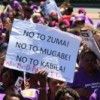
RIGHTS-SOUTH AFRICA: Election Campaign Silent on Violence Against Women
With its emphasis on gender equality, the South African constitution is regarded as a great example for many other developing countries. Yet, despite laws intended to protect the rights of women like the Sexual Abuse Act and the Domestic Violence Act, women in the country still suffer indignities at the hands of police and in court.
RIGHTS-CUBA: Dissidents’ Wives Back in the Fray
The group of women known as the Ladies in White are holding six days of protests this week in the Cuban capital – one for each year their dissident husbands, fathers or sons have spent in prison.RIGHTS-US: Ill Migrants Left to Languish Behind Bars
Clinical staff at U.S. immigration detention centres systematically abuse detainees in their charge, according to two reports by Human Rights Watch and the Florida Immigration Advocacy Centre (FIAC) that describe the medical care system in these facilities as "dangerously inadequate".
Q&A: Women Better, But Far From Equal
Denying women access to political and economic power is a "strategic waste", says Saadia Zahidi, co-author of the WEF’s Global Gender Gap (GGG) report in a telephone interview from Geneva.FRANCE: Rights Junior Minister Loses Out to Economic Interests
Rama Yade, France's secretary of state for human rights, is not having an easy time on a number of fronts.RIGHTS-BRAZIL: Law Still Not Saving Women’s Lives
Rosemary Fracasso, a 37-year-old mother of two teenagers, was murdered by her ex husband with a machete. During the attack he cut off her fingers and arms and left her heart visible through a gaping chest wound.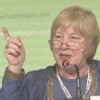
Q&A: Why Not Wages for "Women’s Work"?
Caring for children, ailing relatives and neighbours, cooking and cleaning - all of it feels like "work," but without the regular paycheque.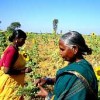
ENVIRONMENT-INDIA: Women Farmers Ready to Beat Climate Change
A collective of 5,000 women spread across 75 villages in this arid, interior part of southern India is now offering a chemical-free, non-irrigated, organic agriculture as one method of combating global warming.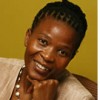
Q&A: “Zimbabwe Must Release Political Prisoners”
Nomboniso Gasa chairs South Africa's Commission for Gender Equality and is an independent gender research analyst. A committed feminist and political activist, she was first imprisoned in apartheid-era South Africa at age 14.ICELAND: Shake-Up At the Top Improves Gender Equality
Iceland’s new Prime Minister Johanna Sigurdardottir is determined to reverse the country’s disastrous economic slide and bring its banks on track after they crashed last year. She has appointed a woman, Anne Sibert, to the Central Bank of Iceland’s Monetary Policy Committee.
BRAZIL: Child Rape Case Revives Debate on Abortion
The case of a nine-year-old girl who was raped and impregnated by her stepfather has revived the debate in Brazil on sexual violence, the need to reform the abortion law, and the shortcomings of the health system when it comes to dealing with the few cases in which abortion is legal.ZIMBABWE: The Railways — From Public Utility to Public Liability
Zimbabwe’s poorly funded public transport utilities - which over the years have all but stopped functioning - are making it difficult for small and informal traders to import essential goods from neighbouring countries.MIDEAST: Women Migrant Workers With HIV Get Raw Deal
Thousands of Asian women flock to the affluent sheikhdoms of the Middle East annually, seeking jobs as domestic workers. For many this quest for a livelihood comes to a humiliating end when they test positive for HIV.POLITICS: Obama Sets New Course at the U.N.
After nearly a decade of an often tense and estranged relationship with the United Nations, Washington appears to be taking a much more conciliatory and multilateral approach to the world body.« Previous Page — Next Page »


Women make up half the world's population, but don't nearly share half of the world's wealth, well-being and opportunity. Two-thirds of the world poor are women, disproportionally exposing women to precarious living conditions, disease and unmitigated natural disasters. The media, meanwhile, remains a male-dominated sector in much of the world, contributing to women's voices lacking a crucial amplifier to put their concerns on political agendas and unleash the development potential of their ingenuity. Rather than then stereotypical victims of local and global forces, women are also organizer, innovators, conservators and community builders. These are some of their stories.

The Week with IPS

NEXT STOP - SDGs
Tracking global progress towards a sustainable world
Tracking global progress towards a sustainable world
