Languages
Friday, November 20, 2026



News and Views from the Global South
Global

Pollution or How the ‘Take-Make-Dispose’ Economic Model Does Kill
The prevailing “Take-Make-Dispose” linear economic model consisting of voracious depletion of natural resources in both production and consumption patterns has proved to be one of the world’s main killers due to the huge pollution it causes for air, land and soil, marine and freshwater.
Deliberate Famine Should Be a War Crime, UN Expert Says
The deliberate starvation of civilians could amount to a war crime and should be prosecuted, said an independent UN human rights expert.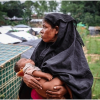
UN Day: Another Day, Another 34,000 Refugees
Oct. 24 is not just another day on the calendar. It is United Nations Day, an excellent time to take note of one of the accomplishments the world body has achieved in its 72-year history.
The United Nations Is Needed More than Ever Before to Promote Peace and Justice Worldwide
In commemoration of the 2017 United Nations Day, the Chairman of the Geneva Centre for Human Rights Advancement and Global Dialogue H. E. Dr. Hanif Hassan Ali Al Qassim called for enhancing the role of the United Nations to address issues related to the promotion of peace and security as a platform for collaboration and the advancement of human rights.
Let’s Harness the Egalitarian Spirit of Sport for Global Cohesion
24 October has been celebrated as United Nations Day since 1948. In his message to the world the UN Secretary General, Mr Antonio Guterres remarked, “When we achieve human rights and human dignity for all people – they will build a peaceful, sustainable and just world”.
Role of the Fashion Industry in UN’s Sustainable Development Goals
Fashion is not a sector that exists in a vacuum. In fact, the fashion industry is not unlike any other key economic drivers; it is a key component of a global economy and certainly an important sector to consider when thinking about the UN’s 17 Sustainable Development Goals (SDGs).
Global Interfaith LGBTIQ Leaders Convene at UN for Expert-level Dialogue
On September 29, 2017, Yvette Abrahams, an indigenous religious leader from Cape Town, South Africa who served as the country’s Commissioner For Gender Equality for five years, gasped when she learned that South Africa had just voted in favor of United Nations Human Rights Council resolution condemning the death penalty for those found guilty of committing consensual same-sex sexual acts. She could not believe that the United States had not.
Good Men Should Not be Quiet Spectators in Sexual Assaults
The pain and anger of more than a million people who tweeted #MeToo in the last week have crowded social media with personal stories of sexual harassment or assault.
World Campaign to Clean Torrents of Plastic Dumped in the Oceans
With 30 countries from Kenya to Indonesia and from Canada to Brazil now involved in the world campaign to beat pollution by countering the torrents of plastic trash that are degrading oceans and endangering the life they sustain, the UN has strengthened its massive efforts to clean up the seas, which are the Earth’s main buffer against climate change.
Global Campaign to Smoke Out Tobacco Firms from UN Body
The world’s tobacco companies – which have been widely ostracized in the UN system – may be ousted from one of their last fortified strongholds in the United Nations: the International Labour Organization (ILO).
One of the World’s Most Dangerous PIaces For Aid Workers
I will travel to the Central African Republic early next week to spend United Nations Day with a peacekeeping operation in order to pay tribute to peacekeepers across the world.
An Inequality Beyond Wealth: Gaps in Women’s Health
While many often focus on wealth disparities, economic inequality is often a symptom and cause of other inequalities including women’s access to sexual and reproductive health.
US Withdrawal from UNESCO: Abandonment of Principles
A woman shopkeeper is standing on a plastic chair to avoid knee high swirling rainwater mixed with sewage. “I work with a women’s cooperative selling products made by Palestinian women in my shop. The sewage water has gone into the electric wires, so I have no electricity. Everything in the shop is destroyed. The metal door [that was] installed to protect the settlers prevents the water from flowing out into the main drain. . . . This means we suffer every time it rains. They [the settlers] want us to move from here. This is why they make our life hard,” she cries.
To Eliminate Poverty, Better Understanding Needed
As the United Nations’ Second Decade for the Eradication of Poverty (2008-2017) comes to an end, more self-congratulation is likely. Claims of victory in the war against poverty will be backed by recently released poverty estimates from the World Bank, entrusted by the UN system to monitor poverty.
Press Freedom Groups Condemn U.S. Withdrawal from UNESCO
Civil society groups have called on the United States to reverse its decision to withdraw from a UN body, citing concerns for press freedom and journalists’ safety.
Women: Major Drivers & Beneficiaries of Poverty Eradication
This year marks the 25th anniversary of the declaration of 17 October as the International Day for the Eradication of Poverty by the United Nations General Assembly. Under the theme “Answering the Call of October 17 to end poverty: A path toward peaceful and inclusive societies,” this year’s commemoration reminds us of the importance of equality, dignity, solidarity and equal voice in the fight to end poverty everywhere.
International Day of Rural Women
On this International Day of Rural Women, the world celebrates women and girls in rural areas and the critical role they play in enhancing agricultural and rural development, improving food security and eradicating rural poverty.
How to Change the Future of Migration
The world is on the move. More people have been forced to flee their homes than at any time since the Second World War due to increased conflict and political instability, hunger, poverty, and an increase in extreme weather events linked to climate change.
Food for Thoughtful Health
Milk and cookies, macaroni and cheese, fish and chips. Some foods seem to match perfectly together to the point where one can’t go without the other. Food and health, while maybe not as catchy, should be viewed in the same light. Without good food it is hard to maintain good health; without good food growing practices it is difficult to maintain a healthy planet.
Overcoming the Challenges: Securing the World’s Food, Energy and Water
According to the United Nations estimates almost 800 million people suffer from chronic hunger (1 in every 9 persons on the planet) and a higher number (1 in 3) suffer from malnutrition. 1 in every 5 persons (1.4 billion people) have no access to electricity worldwide (living with energy poverty) whilst 1 in 10 people do not have access to clean water. With climate change, this situation is worsening across many parts of the world.
Not True that Hunger Doesn’t Discriminate — It Does
In a world where only 8 individuals – all of them men—possess as much as half of all the planet’s wealth, and it will take women 170 years to be paid as men are*, inequality appears to be a key feature of the current economic model. Now a new study reveals that there is also a widening gap in hunger.« Previous Page — Next Page »


The Week with IPS

NEXT STOP - SDGs
Tracking global progress towards a sustainable world
Tracking global progress towards a sustainable world
