Languages
Sunday, October 25, 2026



News and Views from the Global South
Global
WHO Warns of Global NCD Crisis, Calls for Urgent Investment to Save 12 Million Lives By 2030
The World Health Organization (WHO) is urging global efforts to address and invest in tackling non-communicable diseases, and that by doing so, can yield economic benefits of up to USD 1 trillion by 2030.
UN80 – Is it time for the Re-emergence of the Global Ministerial Environment Forum?
“We shall have to do more with less” was the summary message from a meeting in Oslo, Norway, this spring (2025), where the Minister of Foreign Affairs of Norway, Espen Barth Eide and Guy Ryder, Under-Secretary-General for Policy at the UN and Chair of UN80, both spoke about UN80 and the necessity to reform the UN.
The Humanitarian Sector is at a Breaking Point: Here’s How to Fix It
As world leaders convene in New York, September 22-30, for the 80th session of the UN General Assembly, they will confront a humanitarian sector in crisis. With only 9% of the $47 billion requested for global humanitarian needs currently funded, the sector faces what UN Emergency Relief Coordinator Tom Fletcher calls "a crisis of morale and legitimacy" alongside devastating funding cuts. So where do we go from here?
146 Land and Environmental Defenders Killed or Disappeared in 2024
At least 146 land and environmental defenders were murdered or forcibly disappeared in 2024 for standing up against powerful state and corporate interests, according to a new report released by Global Witness.
New Report Investigates Violence Against Women and Girls Through Surrogacy, Sparks Global Dialogue
A United Nations report calling for the global abolition of surrogacy has sparked intense debate among experts, with critics arguing that blanket bans could harm the very women the policy aims to protect.
Gender Equality: The Key to Peace, Prosperity, and Sustainability
On Monday, three decades on from the historic Fourth World Conference on Women, the General Assembly meets to discuss recommitting to, resourcing, and accelerating the implementation of the 1995 Beijing Platform for Action – an historic agreement which mapped the path to achieving gender equality and the empowerment of all women and girls.
A Meeting of Over 150 World Leaders Under One Roof—& the Day UN Came Under a Terror Attack
When the high-level meeting of the General Assembly takes place, September 22-30—with over 150 world political leaders in town--the UN will be in a locked down mode with extra tight security. With a rash of threats and political killings in the US—including an attempted assassination of Donald Trump when he was campaigning for the US presidency in July 2024-- the list continues.
Better Use of the World’s Expertise in Navigating the Polycrisis
Other articles in this series on clustering conventions that are addressed by the Triple Environmental Crisis of pollution (Stanley-Jones), biodiversity (Schally) and climate change (Azores) I have touched on the idea of clustering not only conventions but the science-policy bodies established separately to serve them. We address the question of the negative consequences of maintaining status quo and identify how “consolidating knowledge” might make a difference.
When Civil Society is Kept Outside, We Should Build a Bigger Room
The recent IPS article, "UNGA’s High-Level Meetings: NGOs Banned Again," served as a stark and painful reminder of a long-standing paradox: the United Nations, an organization founded on the principle of "We the Peoples," often closes its doors to the very communities it was created to serve.
Why the Awaza Declaration Could Rewrite the Future for the World’s Landlocked Nations
The theater of diplomacy can be more revealing than the speeches. Under a scorching Caspian sun in Awaza, two marines lowered their flags with the precision of a ballet. The green silk of Turkmenistan, folded into a neat bundle before the UN’s blue-and-gold standard, fluttered briefly and vanished into waiting hands.
Why Collective Healing is Central to Peacebuilding
 Wars and oppression leave behind not just rubble and graves. They leave behind invisible wounds, profound trauma carried by survivors. And most often, women carry the largest burden. They are targeted not only because of their gender, but because surviving and leading threaten structures based on patriarchy and domination.

AI Governance: Human Rights in the Balance As Tech Giants and Authoritarians Converge
Algorithms decide who lives and dies in Gaza. AI-powered surveillance tracks journalists in Serbia. Autonomous weapons are paraded through Beijing’s streets in displays of technological might. This isn’t dystopian fiction – it’s today’s reality. As AI reshapes the world, the question of who controls this technology and how it’s governed has become an urgent priority.
NGOs on a Virtual Blacklist at UN High-Level Meetings of World Leaders
When the high-level meeting of over 150 world political leaders takes place September 22-30, thousands of non-governmental organizations (NGOs) and their accredited UN representatives will either be banned from the UN premises or permitted into the building on a strictly restricted basis-- as it happens every year.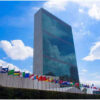
The United Nations Turns 80: a Miracle it has Lasted So Long
At eighty, the United Nations is bogged down by structural limitations and political divisions that render it powerless to act decisively – nowhere more clearly than in the Gaza genocide.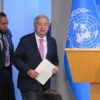
Global Military Spending Shows Misalignment of Priorities, says UN Secretary General
Global military spending has been on the rise for more than 20 years, and in 2024, it surged across all five global regions in the world to reach a record high of USD 2.7 trillion. Yet, such growth has come at the cost of diverting financial resources away from sustainable development efforts, which the United Nations and its chief warn puts pressure on an “already strained financial context.”
North Worsens Tropical Catastrophe
Greenhouse gas (GHG) emissions have risen over the last two centuries, with current and accumulated emissions per capita from rich nations greatly exceeding those of the Global South.
We Can’t Meet Our Climate Goals Without Financing Agrifood Systems
Despite absorbing a quarter of climate-related losses and having the potential to reduce one-third of global emissions, agrifood systems receive less than 8% of climate finance. This imbalance threatens progress in addressing global climate challenges. If we’re serious about solutions, we need to start where the impact—and the promise—is greatest: investing in the systems that feed the world.
The Debacle of the Global Plastics Treaty Negotiations –& Some Ideas for a Way Forward
The debacle that was the latest round of negotiations for a global treaty on plastics (including in the marine environment); known as “INC 5.2” has already been written about at length by many colleagues on all sides of the issues. Despite all the very informative posts, articles, and other analyses, I believe I have several key observations to make, particularly about the process to-date.
Rise of the Planet of the Aged
It is becoming increasingly apparent that planet Earth is evolving into the planet of the aged. In nearly every country around the world, the numbers and percentages of the aged, commonly defined as individuals aged 65 years or older, have increased rapidly.
Iconic World Heritage Sites Threatened by Water Risks as Climate Change Marches On
From Zimbabwe's 'The Smoke that thunders,' Victoria Falls, to the awe-inspiring Pyramids in Egypt and the romantic Taj Mahal in India, these iconic sites are facing a growing threat - water risk.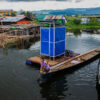
One in Four People Lack Access to Clean Drinking Water: UNICEF, WHO Warn of Deepening Disparities
Over the past decade, major strides have been made in expanding global access to water, sanitation, and hygiene (WASH) services, with billions of people around the world seeing improvements in overall health and well-being. Despite these gains, people largely from low-income countries and marginalized groups still lack access to clean water, leaving them vulnerable to disease and hindering social development and inclusion.« Previous Page — Next Page »





The Week with IPS

NEXT STOP - SDGs
Tracking global progress towards a sustainable world
Tracking global progress towards a sustainable world
