Languages
Saturday, November 21, 2026



News and Views from the Global South
Health
ENVIRONMENT DAY: Radioactive Oil, Fertilisers and Tobacco
Emissions of radioactive materials from the burning of fossil fuels and the production of chemical fertilisers are another reason to come up with sustainable alternatives, experts say.Reimagining Food Systems in the Midst of a Hunger Crisis
Today one billion people are living in hunger, not because of scarcity of production or a shortage of food on shelves in the global marketplace, but because they "lack the most basic purchasing power needed to acquire it", Olivier De Schutter, the United Nations Special Rapporteur on the Right to Food, said Thursday.HIV Infections Down, but Treatment Access Still Uneven
Officials underscored the importance of stepped-up action Friday to combat HIV/AIDS, the worst epidemic the world has seen since it began 30 years ago, ahead of a high-level meeting on the disease at the United Nations next week.Germany to Boost Renewables
The decision by the German government of Chancellor Angela Merkel to phase out nuclear power by 2022 will increase efficiency in the use of energy, boost investment and accelerate technical progress in renewable energy sources, and promote international energy cooperation, according to numerous experts.Decriminalising Drugs Moves into the Mainstream
Several years ago, anyone calling for an end to Washington's "war on drugs" would be considered a heretic. Today, high- level politicians and business people, backed by thousands of regular citizens, are doing just that.U.S. Takes Action Against ‘Gendercide’
Every year on Jun. 1, the People's Republic of China pulls out all the stops – hosting festivals, printing greeting cards and sponsoring public games and parades – in celebration of International Children's Day, a holiday widely acknowledged to have originated with the rise of communism and now observed primarily in communist or former communist countries.Higher Tobacco Taxes Cure for Killer Addiction
The world is facing a "global epidemic in need of a global effort", according to a panel of experts on tobacco control, who met at the United Nations Tuesday to commemorate World No Tobacco Day.ECUADOR: Gov’t Shuts Down Illegal Gold Mines
The Ecuadorian government sent in the army to shut down illegal gold mining operations in the jungles of the northwest province of Esmeraldas, where the highly polluting activity is associated with drug traffickers and protected by armed militias and hired killers.Putting Road Safety on the Development Agenda
The leading killer of children over the age of five is not malaria or dysentery, but cars and trucks. And 90 percent of those children are killed on roads in developing countries.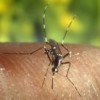
EUROPE: Space Agency Maps Mosquitoes to Combat Tropical Diseases
In times of war, the accurate mapping of enemy positions can be the key to victory. In the war on mosquito-borne diseases such as malaria, mapping the distribution and habitat of mosquitoes can play a crucial role in combating epidemics at the source.‘Europe Worsening Hunger Worldwide’
With spiralling food prices threatening to leave millions more people hungry every year, European countries must abandon subsidies and higher production targets for biofuels, the anti-poverty group Oxfam warns.
INDIA: Unwed Tribal Mothers Seek Aid
For Janu, walking the streets to beg for alms is the only option for survival. After all, she has a two-year-old daughter to feed, and she herself, at 14 years old, is little more than a child.Germany Pledges Nuclear Shutdown By 2022
Germany has decided to shut all its nuclear reactors by 2022 in a drastic policy reversal in the wake of the nuclear disaster at Japan's Fukushima plant.HEALTH: Poor States Should Start Campaign to Extend Patent Rights
Pharmaceutical industries in emerging markets are shifting their focus away from poor to developed countries, which will affect access to cheap generic medicines. Poor states should tackle this development by capitalising on the international trade exemptions they still enjoy regarding medicines as "intellectual property".CHINA: HIV Patients Find Treatment but Face Discrimination
Despite notable successes in the battle against HIV and AIDS in China, discrimination against infected people remains rife here and critics continue to question the Chinese government over allocation of treatment funds.INDIA: Violations May Hit Vaccination Plans
After a government report confirmed major ethical violations in trials of Human Papilloma Virus (HPV) vaccines on Indian schoolgirls, senior doctors are calling for transparency in clinical trials conducted under private-public partnerships.TANZANIA-INDIA: A Rewarding Relationship
The Indian prime minister, Dr Manmohan Singh, concludes a three-day visit to Tanzania on May 28. Singh arrived in Dar es Salaam from the Ethiopian capital, Addis Ababa, where he took part in the Second India-Africa Forum Summit, which began on May 20.LIBYA: Water Emerges as a Hidden Weapon
Libya’s enormous aquatic reserves could potentially become a new weapon of choice if government forces opt to starve coastal cities that heavily rely on free flowing freshwater.INDIA: Supreme Court Verdict Revives Euthanasia Debate
In a secluded hospital bed in this bustling Indian metropolis, a woman who has lain brain dead for 37 years after a brutal sexual assault is at the centre of a national debate on mercy killing.
Arab Spring Solidarity Defies National Boundaries
Ever since the ousting of Tunisian president Zine El Abidine Ben Ali, ordinary citizens have been leading uprisings all over North Africa and the Middle East against unwanted rulers. But what is now known as the "Arab Awakening" is not confined to people resisting within their own borders. Some Arabs are helping the fight in neighbouring countries too.MALAWI: Rural Areas Still Struggle to Access Medicines
In the shade of a leafy mango tree at the rural Chipho Health Centre in Thyolo, southern Malawi, Melifa Faison sits looking frequently down the road hoping to see an ambulance. Lying beside her is her 6-year-old daughter, weak with malaria.« Previous Page — Next Page »


 Bangladesh: Sarid, born one month early, receives specialized newborn care and grows stronger every day. Credit: UNICEF/UNI944397/Mojumder
Since the onset of the 2000s, global life expectancy has seen an overall rise, attributed to significant technological and scientific innovations in healthcare. Due to an increased understanding of different conditions as well as a rise in cooperation among healthcare experts around the world, there have been major strides made in ensuring that as few people die from chronic illnesses as possible. Despite the belief that healthcare is a fundamental human right, people from low- or middle-class backgrounds, marginalized groups, and underdeveloped countries have far more limited access to basic healthcare services.
The COVID-19 pandemic showed how marginalized communities are disproportionately affected by health crises, proving that we have much work to do in ensuring that no one dies of terminal conditions. While the global response to the coronavirus saw significant strides in immunization and vaccine development, the global outbreak of mpox in 2022 and its upsurge in parts of Africa in 2024 must remind us to remain vigilant.
Other major disease outbreaks in recent years have been linked to the destruction of infrastructure during warfare. Notably, in 2024, the Gaza Strip witnessed a return of the poliovirus since its eradication in the region 25 years ago. Israel’s blockade on Gaza has resulted in the collapse of the region’s sewage plants and desalination plants, and also destroyed healthcare capacities. The UN stated that this lack of clean water and sanitation would lead to an outbreak of cholera and other deadly infectious diseases. The 2026 OCHA Humanitarian Situation Report confirmed that the over two years of conflict in Gaza has produced a catastrophic health emergency, with millions remaining dependent on relief aid amid tight restrictions and no functioning public health system.
IPS is committed to providing full and comprehensive coverage on healthcare challenges around the world. IPS seeks to address the multifaceted causes of such challenges, including unprecedented pandemics, conflict-driven disease outbreaks, as well as socioeconomic barriers to equal healthcare access. IPS is also dedicated to reporting on innovations in the healthcare industry.

The Week with IPS

NEXT STOP - SDGs
Tracking global progress towards a sustainable world
Tracking global progress towards a sustainable world
